Tollgate Farm and Education Center
UnverifiedFarm Stand
Diversified Family Farm
Sustainable Agriculture
Certified Naturally Grown
🥚
Eggs
Pasture-Raised Eggs
🥩
Meat & Poultry
Goat
🥬
Produce
BeetsBroccoliCarrotsCornCucumberCucumbersEggplantGarlicGreen BeansGreen OnionsGreensHot PeppersKaleLettuceOnionsPeppersPumpkinsSproutsSquashSummer SquashTomatoesTurnips
🍓
Fruit & Berries
ApplesCranberries
🌿
Herbs
Fresh HerbsBasil
🍯
Honey & Bees
Honey
Photos
About Tollgate Farm and Education Center
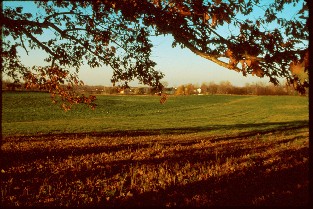
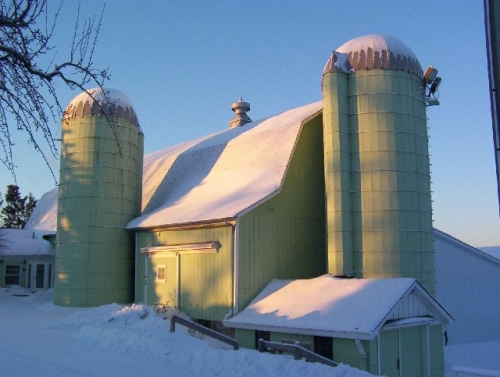
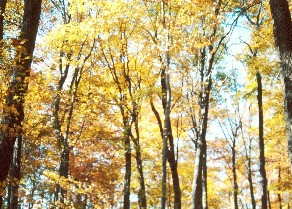
In 1987, all of the buildings and the east 60 acres of the 160 acres were donated to MSU by the Americana Foundation, a Foundation established by Adolph and Ginger Meyer.MSUhas access to the remaining 100 acres under a lease agreement with the foundation. Ownership of the property byMSUensures that Tollgate’s beautiful farm setting will remain free from the effects of the rapid development that is common throughout southeast Michigan. The farm includes 70 acres of open pasture land and hayfields, 40 acres of woods, a pond, an arboretum, beautifully maintained buildings and horticultural demonstration gardens. Discover a collection of historic buildings that date back to the mid-1800s, each telling a unique story of the past. The grounds surrounding these architectural gems are meticulously landscaped, honoring the site's agricultural heritage. Thanks to the dedicated efforts of MSU Tollgate garden volunteers, these beautifully maintained gardens are open to the public from Monday through Saturday, 9 a.m. to 8 p.m., inviting visitors to enjoy their serene beauty. Additionally, our versatile meeting facilities are equipped with a complete array of support services, ensuring that every gathering—whether professional or personal—runs smoothly and is a resounding success. Animals:MSU Tollgate Farm has many animals that reside on the property, each contributing to the vibrant ecosystem and educational opportunities at the farm. Among the residents are playful goats that eagerly greet visitors, their curious nature always attracting attention. The chickens roam freely, providing fresh eggs while showcasing the joys of sustainable farming practices. In addition to these feathered friends, the farm is home to agile sheep whose wool can be harvested and used for a variety of purposes, from crafting to textiles. Not to be overlooked, the farm also features horses. Each animal plays a vital role in the farm's mission to educate the community about agriculture, animal husbandry, and the importance of nurturing our environment. Together, they create a lively atmosphere that invites exploration and learning, making MSU Tollgate Farm a beloved destination for families, students, and animal lovers alike. Fields:MSU Tollgate is an oasis of green in the ever more urbanized environment of southeast Michigan. Of the 160 acres that constitute the MSU Tollgate Education Center, 70 acres are fields and pastures. These open areas are used to produce hay for winter animal feed, serve as summer grazing areas for the horses and to provide space for the assorted woodchucks, geese, deer and other wild animals that call MSU Tollgate home. The three acre pond at MSU Tollgate was dug in the 1950’s to create a holding area for farm water run-off. During the 60’s, 70’s and 80’s the pond fulfilled its role of water retention, and was also used to water livestock, and for fishing and swimming. Over the years, sediments gradually accumulated in the pond so that by 1997 it was only a few feet deep. The shallowness of the pond made management of aquatic vegetation difficult. So much sunlight penetrated to the pond bottom that weed growth in the pond was thick and unsightly. The decision was made in 1997 to deepen the pond. With a grant from the Americana Foundation, a dredger was hired and the pond was restored to its original depth of 12 feet. To make the pond area more useful and aesthetic, boardwalks and plantings were added around the water. To preserve the pond, a series of smaller ponds were built during the dredging process to form a constructed wetland. The small ponds of the constructed wetland accept the water run-off from the surrounding land and filter sediments from the water stream before it flows into the main pond. Currently, the pond area is used for education and for special activities such as the fall fair. The gardens bordering the pond and constructed wetlands have developed into truly lovely and relaxing areas. The MSU Tollgate woods