In theUN’s 2020 Global Biodiversity Outlookwas reported that although the Strategic Plan for Biodiversity 2011-2020 goals were not met, it isn’t too late to reverse the declining trends of biodiversity and achieve the sustainability goals for 2030 and 2050.
To reach those future goals, they suggest:
Scaling up conservation and restoration efforts influenced by local context including improving the condition of nature across farmed landscapes
Preventing climate change by using nature-based solutions
Addressing invasive alien species in addition to pollution and unsustainable biodiversity practices
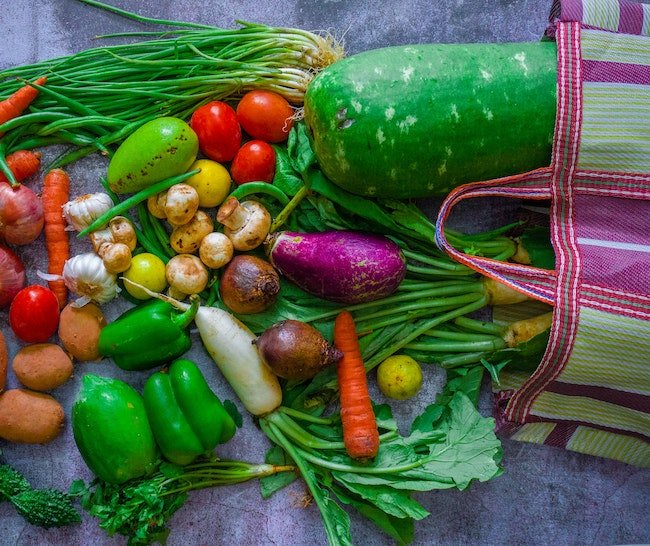
Adopting agricultural methods that can provide for many without negatively impacting the environment and using more land
This is where Regenerative Agriculture comes in
Regenerative Agriculture is a farming practice that reverses climate change by restoring the natural rhythms of the land and feeding the biological structures in our soil built by bacteria, fungi, and other microbes. Returning to this natural farming method also encourages wildlife and insects to rejoin their ecosystems, boosts local economies, and remedies social injustices.
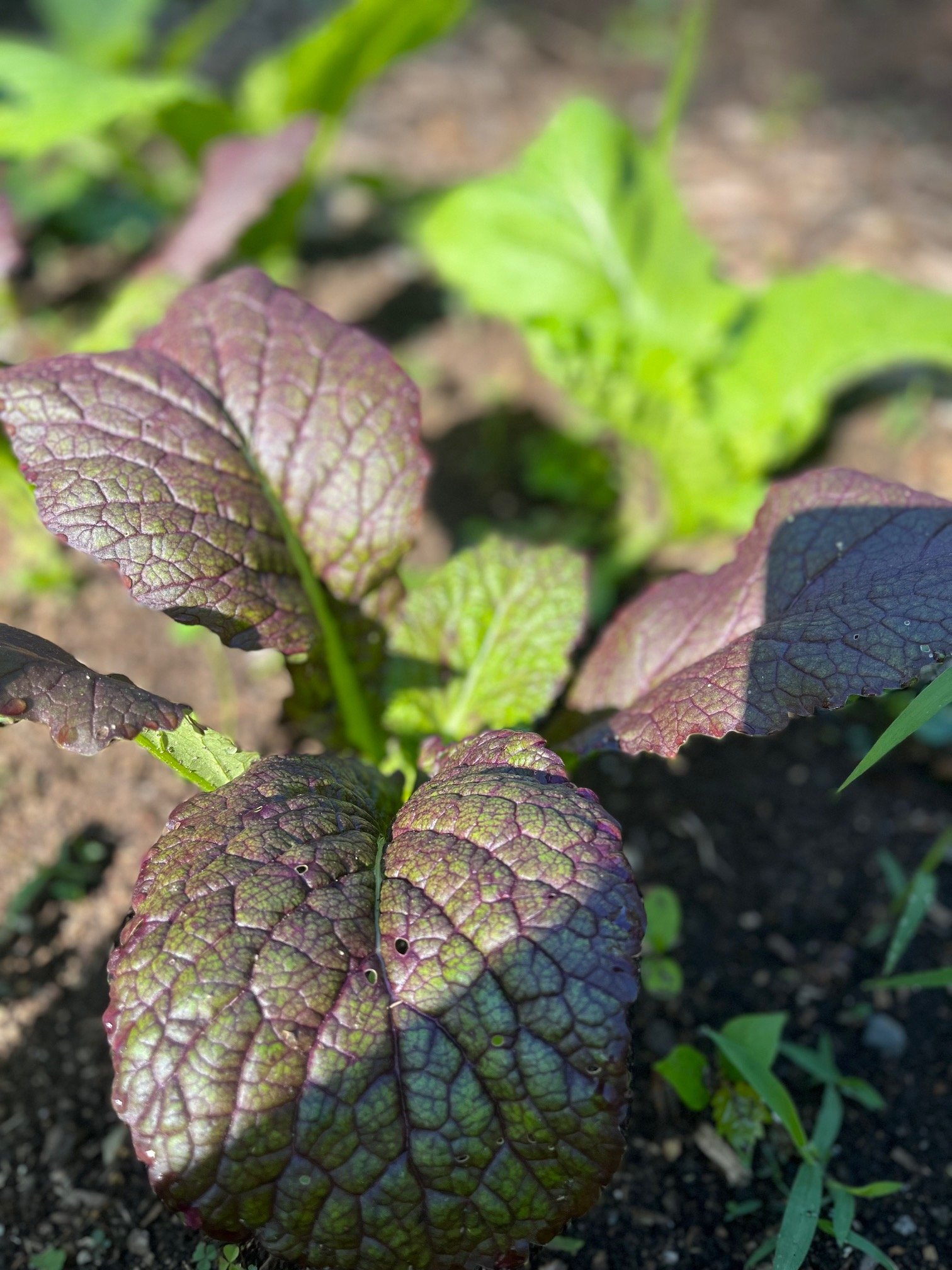
This holistic approach focuses on plants' natural ability to filter carbon during photosynthesis—which improves soil health, crop resilience, and nutrient density of the harvest. This practice pulls pre-existing climate-damaging CO₂ down from our atmosphere and traps it in our soil for decades, even centuries. During photosynthesis, plants take in CO₂ and extrude carbon-based sugars to feed bacteria and fungi in the soil. The bacteria and fungi, now happily fed and thriving, provide nutrients to the plants that are harvested and all of that nutritional goodness is passed on to us.
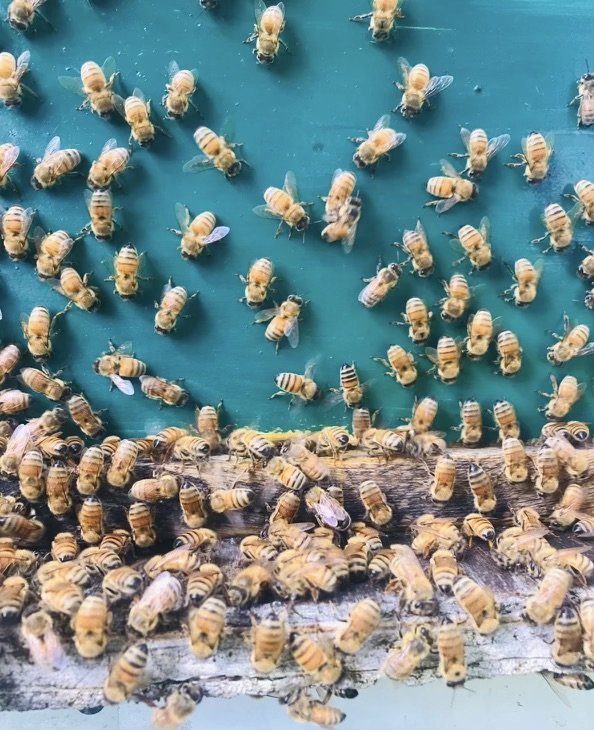
Throughout the process, fewer synthetics—herbicides, pesticides, and chemical fertilizers—are introduced to the land. This encourages local wildlife and insects to return to the land and protect crops against infestations, aid in pollination, and cycle nutrients on the land resulting in more nutritionally dense crops.
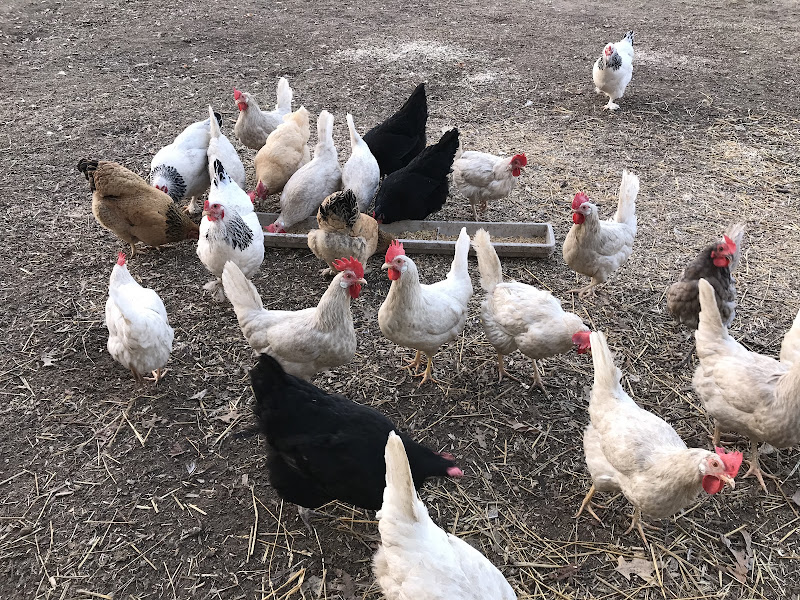
While the effects on the land are critical, the effect on local economies cannot be ignored. Putting farmers back in charge of the land means a return to family farming. Not only are family farmers the custodians of the traditions and expertise on how to cultivate the land, they provide fair-paying jobs and opportunities for their communities.
Nearly one million Black farmers harvested the land in 1920. Today, only 45,000 remain out of 3.4 million farmers in the US. Black farmers lost their land to theft, racist policies, and discrimination but with a return to Regenerative Agriculture, we have an opportunity to rectify this injustice. That is why those leading the charge with federal policies to advance regenerative agriculture practices feel the need to be inclusive and provide BIPOC farmers with equitable access to land, training, credit, and continued support so we can rebalance the scales.
Center for Biological Diversity. “Pesticides and Soil Health: The Center's Study on How Pesticides Harm Insects and Underground Ecosystems.”Center for Biological Diversity,https://www.biologicaldiversity.org/campaigns/pesticides-and-soil-health/. Accessed 2022.
NRDC. “Regenerative Agriculture 101.”NRDC, 29 November 2021,https://www.nrdc.org/stories/regenerative-agriculture-101?gclid=Cj0KCQjw37iTBhCWARIsACBt1IzANheLKIGQj2kpzOHRJCd-fEHIguSeA8uB4UnVeKWpy9YEOcz6DUkaAiR4EALw_wcB. Accessed 2022.
Regeneration International. “Family Farmers: Feeding the World, Caring for the Earth.”Regeneration International, 07 October 2015,https://regenerationinternational.org/2015/10/07/family-farmers-feeding-the-world-caring-for-the-earth-2/. Accessed 2022.
Regeneration International. “Regenerative Organic Agriculture and Climate Change: A Down to Earth Solution to Global Warming.”Regeneration International, 06 October 2015,https://regenerationinternational.org/2015/10/06/regenerative-organic-agriculture-and-climate-change