





Second Spring Farm
UnverifiedFarm
EAT OUR VEGETABLES!
Certified Naturally Grown
USDA Certified Organic
🥩
Meat & Poultry
Rabbit
🥛
Dairy
CheeseIce CreamSour Cream
🥬
Produce
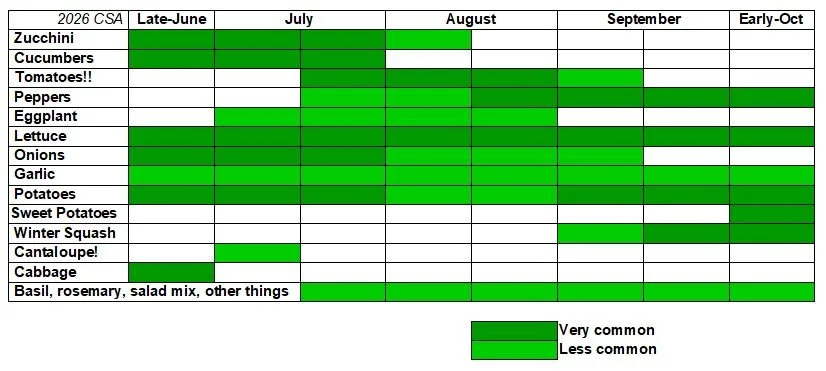
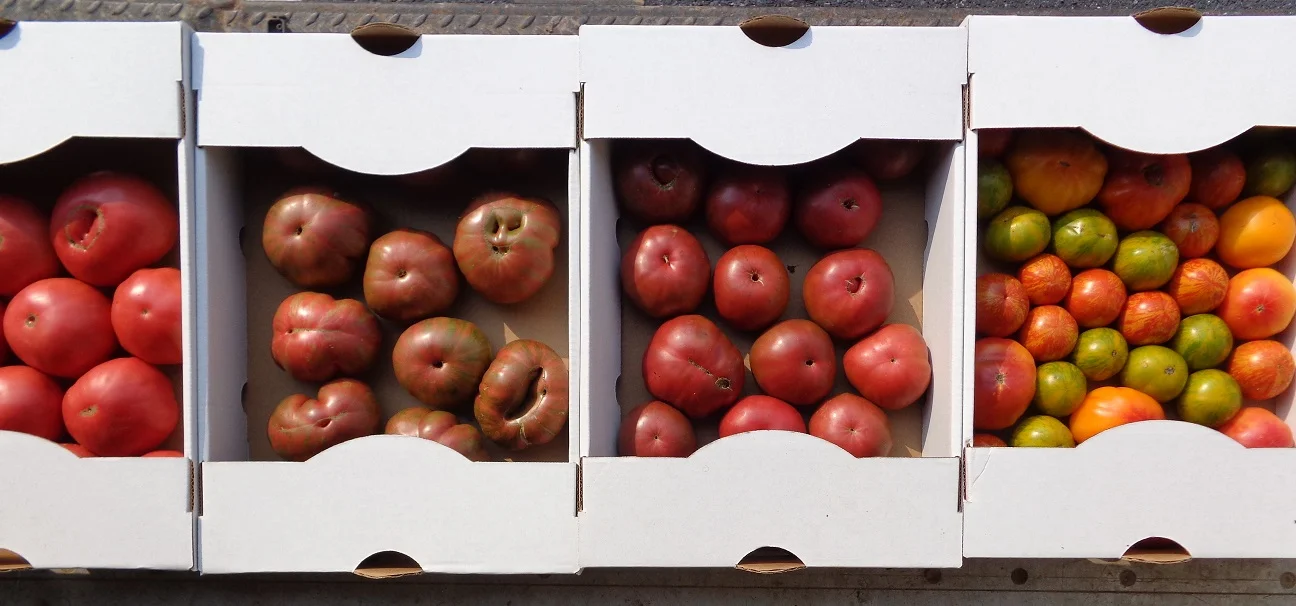
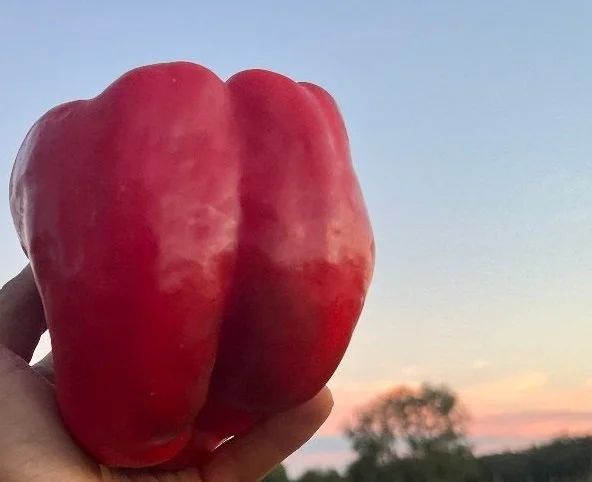
Heirloom TomatoesBeetsButternut SquashCabbageCarrotsCherry TomatoesCornCucumberCucumbersEggplantGarlicGreen OnionsGreensKaleLettuceOnionsPeppersPotatoesPumpkinsSalad GreensSpinachSquashSweet PotatoesTomatoesWinter SquashZucchini
🍓
Fruit & Berries
ApplesPeachesCantaloupesMelons
🥜
Nuts
Nuts
📦
CSA
Csa
Photos
Practices
cover cropping
heirloom varieties
no-till
raw/unpasteurized
solar powered
Not verified by Bhumi. This farm's practices have not been independently verified. Product claims are based on publicly available information and have not been confirmed.
About Second Spring Farm
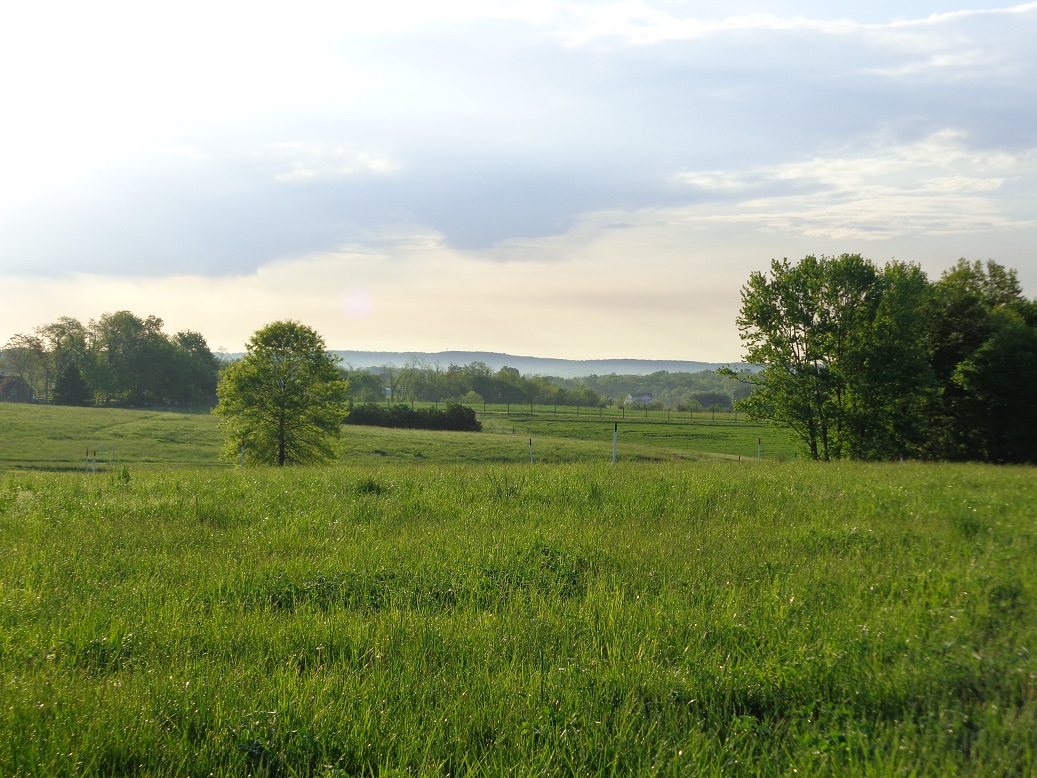
Growing vegetables with ecological, responsible farming practices in Wheatland, VA Second Spring Farm grows vegetables for wholesale and CSA in Wheatland, VA, 45 miles from Washington, DC. We use sustainable, ecological methods only and deliver our CSA to Reston, Herndon, Ashburn, Vienna, Oakton, Arlington, Springfield, Leesburg, Purcellville, Takoma Park, Bethesda, and Glen Echo. Here are selected weekly CSA newsletter emails, which are full of recipes, vegetable info, and the sorts of farm-life essays collected here. Categories allow one to follow certain threads & themes: Categories:History, place, culture, identity|Natural world, plants, and seasonality|Farming and farm stories Tags:My favorite writing (mostly recent)|Lovettsville & Bill Moore As a new worker at Wheatland Vegetable Farms back in May of 2005, my first summer job as a college music student who knew nothing of farming, it felt like my first days and weeks there were filled with mulching. We mulched with those giant round bales you see in fields on the side of the road, pushing them out to unroll the 700lb bales down the aisles between rows of tomatoes, squash, and peppers. A third-year worker showed me how thick to keep it, how to feel the edge of the bale to tell the smooth direction or the pokey direction that indicated the way it needed to face to unroll properly. “Unroll” is a generous description of the process; although the baler rolled up the windrow of dried grass around and around like a carpet until the bale reached about 5' in diameter, and 4' wide, it never unrolled quite so easily. This was mulch hay, not high-quality horse hay; full of weeds or briers, or had been rained on and maybe gotten moldy, or was otherwise not fit to be fed to cattle, and sold for $10 a bale. Occasionally we were surprised by a nest of ground bees or an unfortunate rabbit that had got caught up in the baler. Since the 20-acre farm used so many bales all at once in the spring, before the new year's hay had yet been baled, Jay Merchant delivered rows of bales in the fall to stockpile over winter for use in the spring—and from sitting, they inevitability developed a flat spot, making them all the more difficult to push out. It was hot, heavy, dusty work. Somehow it didn't even occur to any of us to wear gloves. Most mornings that time of year began with mulching for everyone, before some groups were siphoned off for smaller or more specialized tasks. Knowing nothing yet myself, I was often one of the ones left to continue mulching. The reason for mulching was, at the most basic, to use a cheap, readily-available, natural materiel to block weeds from growing. And it added significant amounts of organic matter to the soil and protected vegetables from rain-spattered mud. Mulching also provided a unifying identity for the farm; it was a difficult job that everybody did and a practice that few similar vegetable farms employed. We heard once of a former worker who'd gone up as far north as New York State, and, upon telling of where they had worked down here, were greeted with--”oh yes, the mulch farm!”The reason for our outlier status was our location here in an outlier agricultural area, one which had recently been entirely rural, but was turning over to houses as development pressure crept west. At that time there were acres and acres no longer being farmed for crops, in some sense waiting to be planted to houses, whose owners needed to take advantage of the “ag use” tax benefit from producing some sort of agricultural product on their land—and there were enough farmers of the old generation still around to make the hay, which was produced in such quantity that the price was kept low. It worked out that they were hired to hay the fields, and basically needed a place to put the bales. We were that place for a lot of it. So, when I started farming on my own, I also used hay for mulching—at first in the exact same round-bale system, and then later with square bales, which coul