Because how food is produced and what animals eat truly matters.
Corn- and soy-free, low PUFA foods from small regenerative farms, delivered to your door.
We are leaders in low PUFA food production to help restore a healthier fatty acid balance in our food system and improve metabolic function. Polyunsaturated fatty acid (PUFA) consumption has skyrocketed over the last century. And not just from seed oils, but from the way modern livestock are raised and fed. In 1900, plant-based PUFAs made up just 1–2% of daily calories. Today, PUFAs show up everywhere in the food supply (including meat and eggs) and they account for roughly 15–25% of daily calories, an order-of-magnitude increase. This dramatic shift is not benign. Excess PUFA intake is linked to metabolic dysfunction, cellular damage, chronic inflammation, impaired energy production, and long-term disease risk. At Nourish Food Club, our food is intentionally crafted and lab tested to contain more of the fats that support human biology and metabolism, and less of the unstable fats (PUFAs) that disrupt energy production and increase cellular damage. Our goal is to restore a fatty acid balance that supported human health for generations.
Why do different fats matter at the cellular level?The types of fat you eat influence the types of fat stored in your body, and that directly affects how your cells produce energy. Polyunsaturated fats (PUFAs), monounsaturated fats (MUFAs), and saturated fats (SFAs) have different biochemical structures. So of course your body processes them differently at the cellular level, especially in the mitochondria where energy is produced. Over the last century, the modern food system dramatically altered this fat balance. To produce cheap, abundant food, traditional fats like butter and tallow (naturally low in PUFAs) were replaced with seed oils, margarine, and PUFA-heavy alternatives. This flipped the balance of dietary fats from mostly saturated to heavily unsaturated. This shift didn’t just change what we eat, it reshaped our biology. Human body fat today is far more unsaturated than it was just a century ago. Research shows that diets high in PUFAs are associated with:
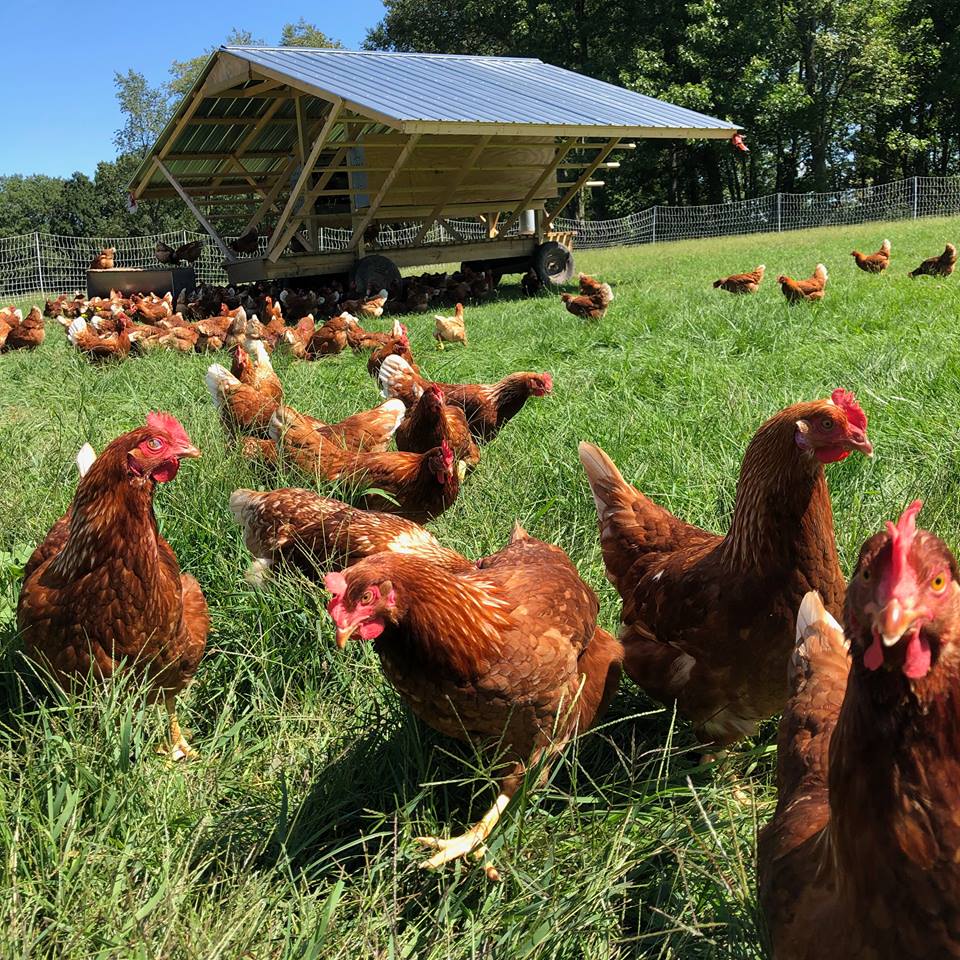
But what many people don't realize is that it’s not just seed oils. Animal fat has changed as well. Meaning the fats in modern meat and eggs look very different than they did historically. Today, conventional pork, chicken, and eggs can contain PUFA levels comparable to canola oil. Why?Because you’re not just what you eat... you’re what your food eats. As industrial agriculture expanded, livestock diets shifted toward corn, soy, and other high-PUFA feed ingredients. Those fats don’t disappear. They are deposited directly into the meat and eggs we consume. Foods that once supplied stable, nourishing fats can now resemble industrial seed oils in their fatty acid profile. Nourish food is different, by design. We are on a mission to unsaturate food after decades of misinformation. We return to traditional farming principles and feed our livestock species-appropriate, custom-formulated low-PUFA diets to prevent unnatural fatty acid manipulation. This results in lower PUFA levels and higher amounts of metabolism-supporting saturated fats that better align with human biology. And we don’t guess. We test.
Changing what your food eats matters just as much as changing what you eat.> Cleaner food.> Healthier fats.> A fatty acid profile that supports energy production, metabolic resilience, and long-term health.
👉Learn more about the health consequences of PUFAs, and why modern meat and eggs have become unexpected sources of these unstable and metabolically damaging fats.
The LowPs™ Standard is how we control what goes into our food, from seed to fork, so the final product supports human metabolism rather than industrial efficiency. Our food is intentionally low in the “Ps” that disrupt biology: PUFAs, phytoestrogens, and pesticides.
So, how do we achieve Low-PUFA food?
The research is clear:what a