
Loki Farms LLC
Self-ReportedFarm
Diversified Family Farm
Welcome to Loki Farms
Free-Range
🥚
Eggs
Pasture-Raised EggsEggs
🥩
Meat & Poultry
Pasture-Raised ChickenPasture-Raised DuckFrozen Raw Goat ColostrumOther MeatsRabbit Feet
🥛
Dairy
Raw MilkRaw Goat MilkColostrumDairy
🥬
Produce
Produce
🍓
Fruit & Berries
Fruit
🌿
Herbs
Herbs
Photos
Practices
composting
hand-milked
heritage breeds
raw/unpasteurized
rotational grazing
Self-reported practices. This farm has provided information about their practices, but they have not yet been independently verified by Bhumi.
About Loki Farms LLC
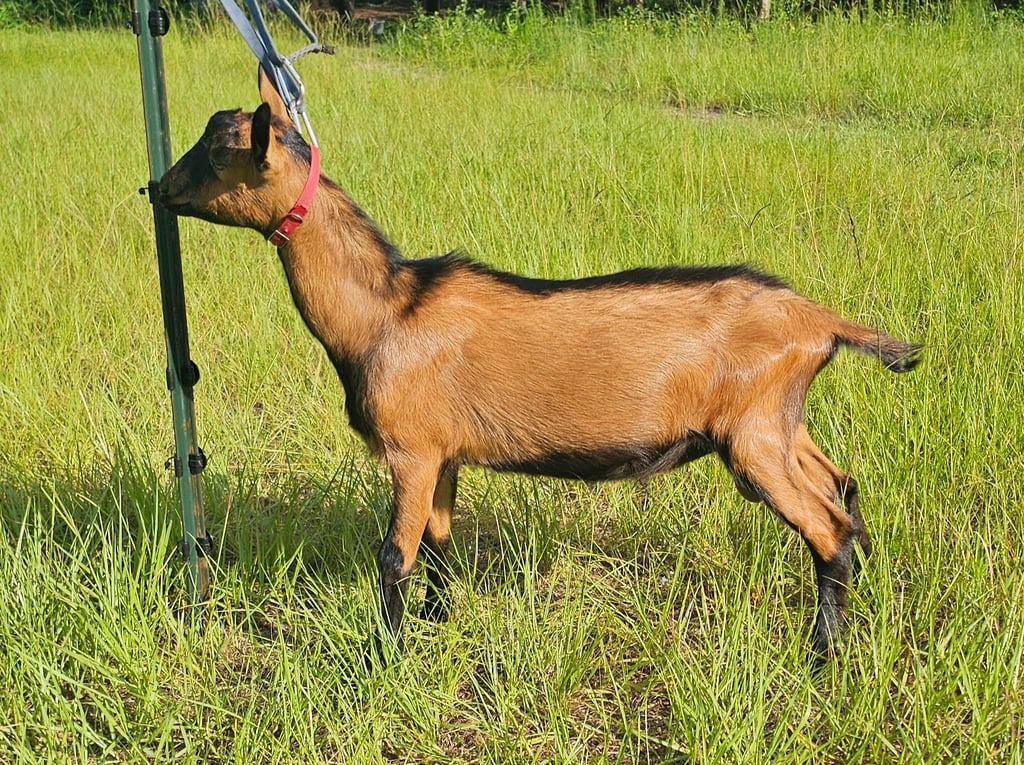
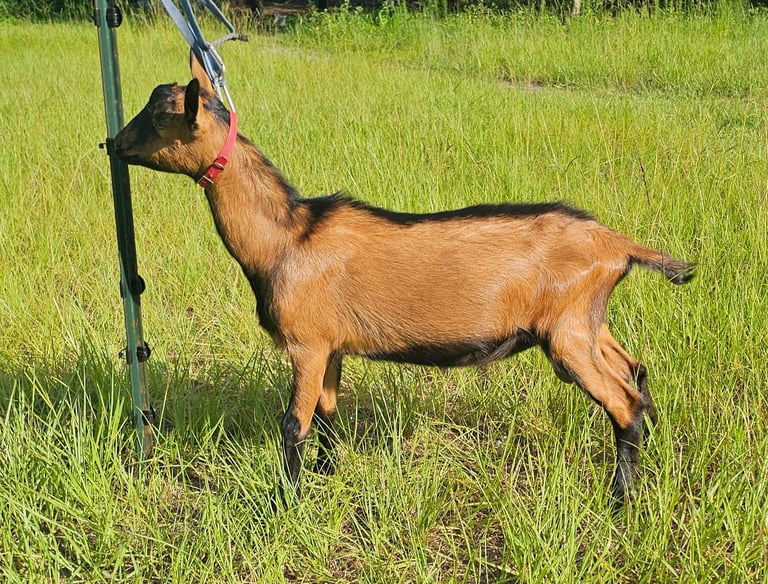
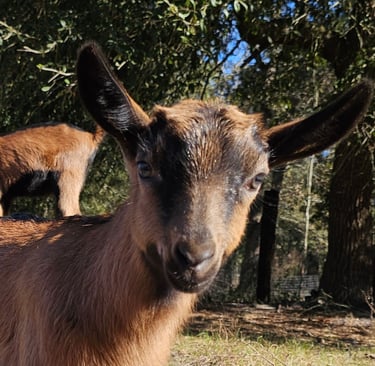
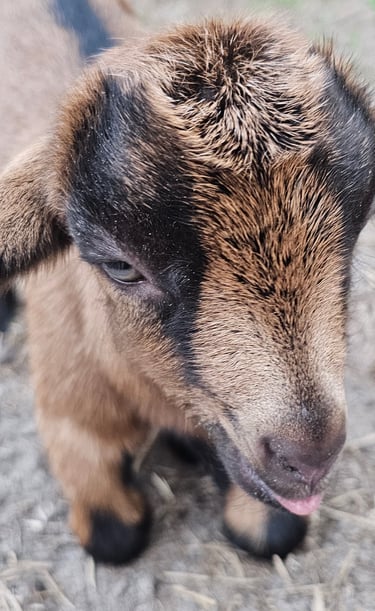
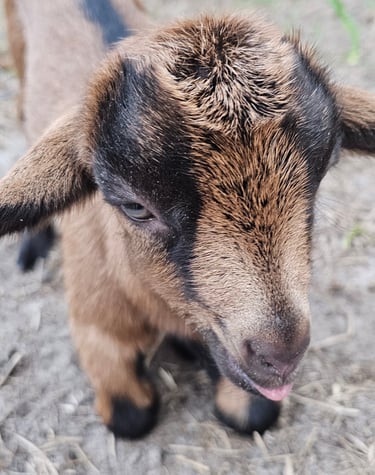
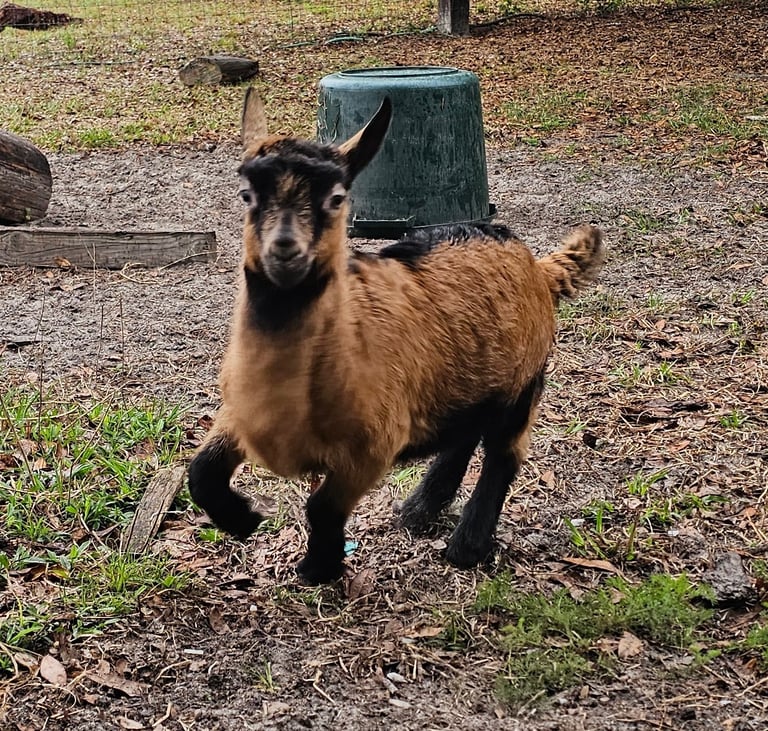
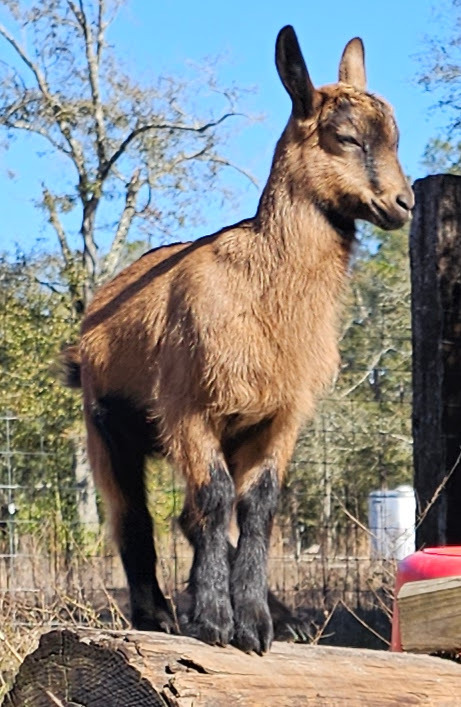
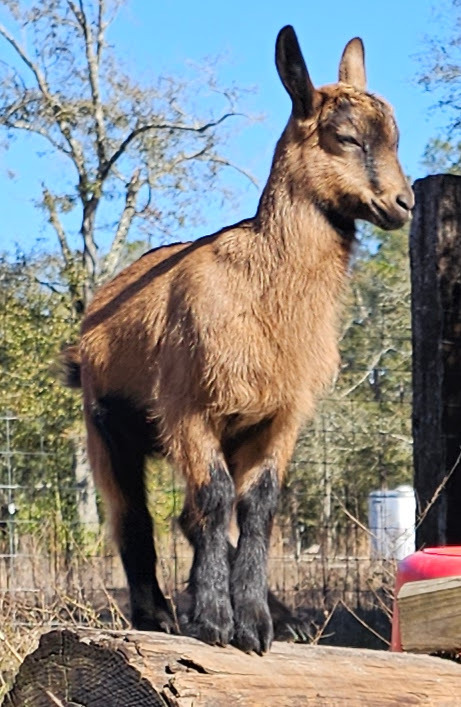
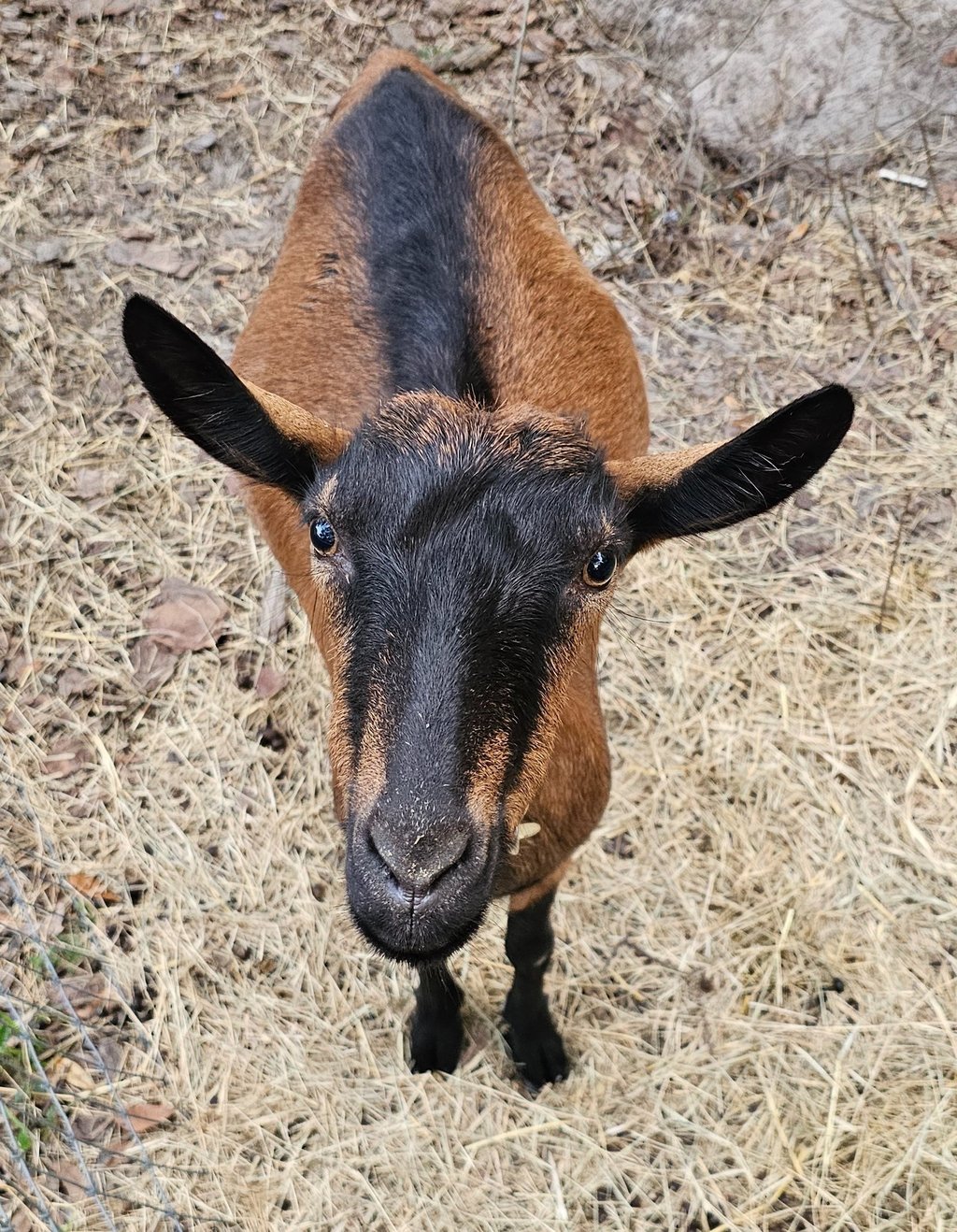
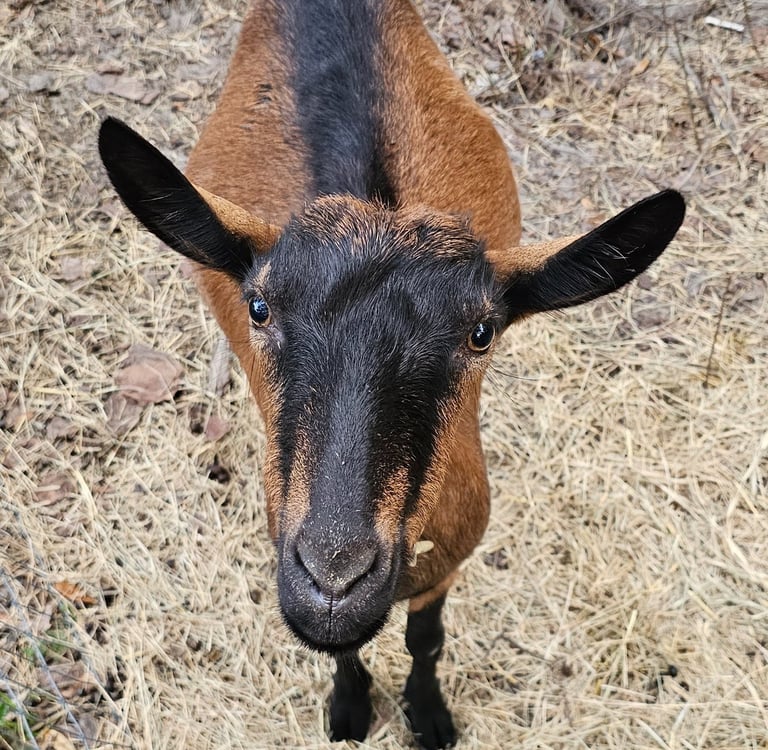
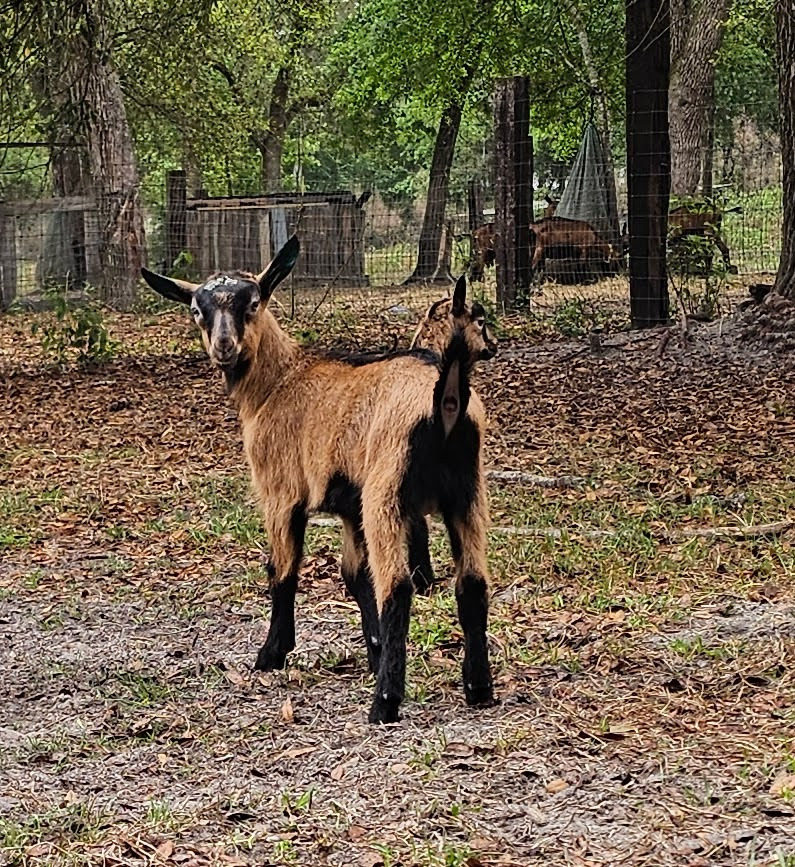
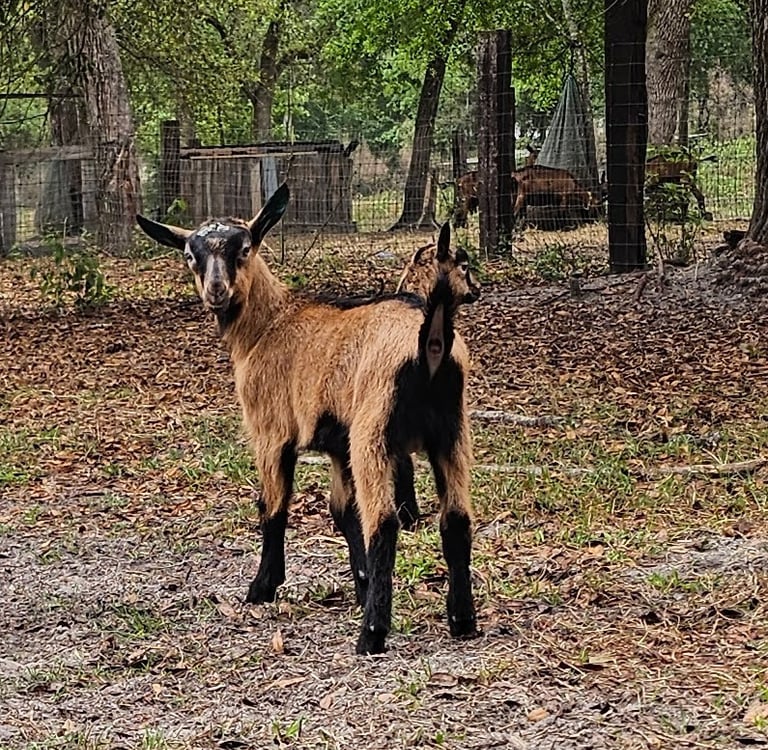
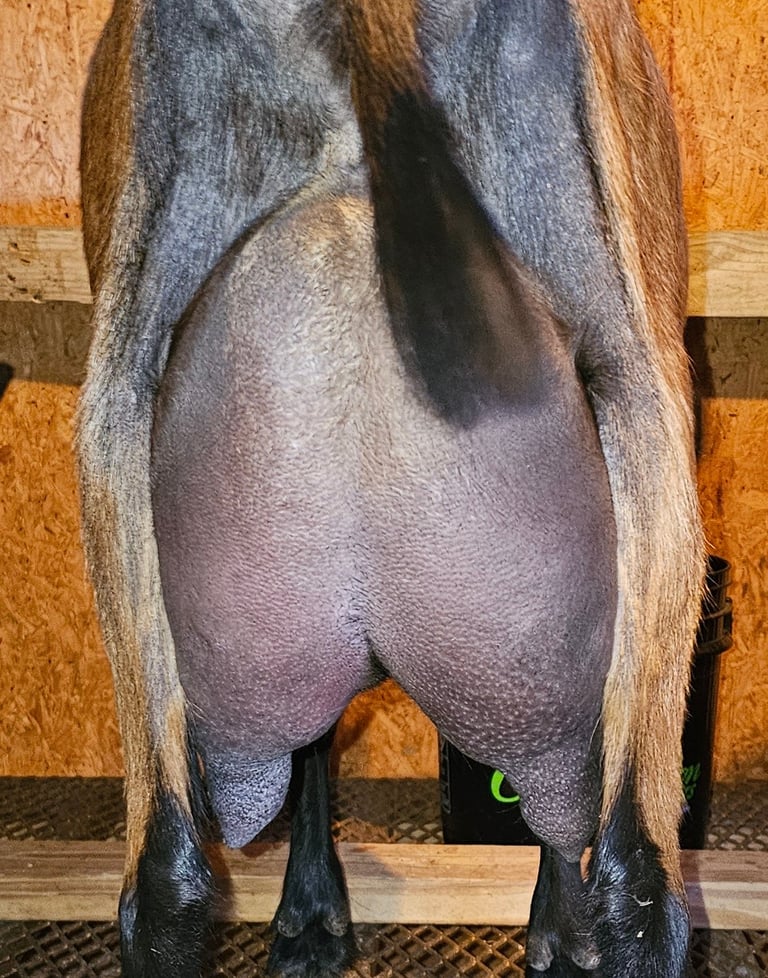
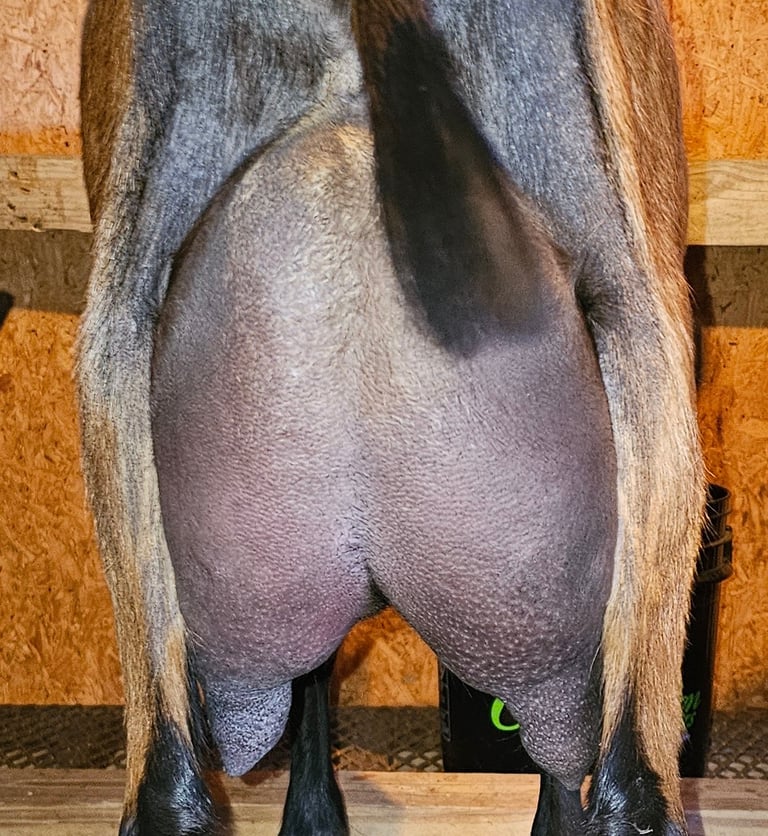
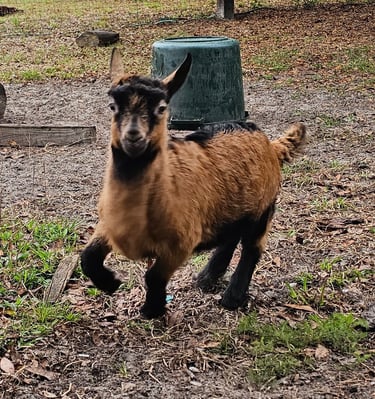
We raise Oberhasli goats, a calm, dependable dairy breed that’s as beautiful as it is productive. Originally from the Swiss Alps, Oberhaslis are known for their rich mahogany coats, steady temperaments, and clean, sweet-tasting milk. We chose them for their balance of elegance and practicality: hardy enough for the Southern climate, gentle enough for families, and productive enough for both homesteads and small dairies. If you’re still deciding whether goats are right for your own farm or homestead, visit our "Why Oberhasli Goats?" page to learn why we fell in love with these incredible animals and why we think you might too. Oberhasli goats are a distinguished dairy breed with roots in the Swiss Alps, specifically the Oberhasli region that gave them their name. These goats were originally known for their dependable milk production and their ability to thrive in rugged alpine terrain. They were first brought to the United States in the early 1900s, where they were initially grouped under the “Swiss Alpine” label before being officially recognized as their own breed in the 1970s. Known for their rich mahogany coloring with distinctive black markings, Oberhaslis have remained a smaller, dedicated breed compared to others. Prized by people who value their combination of elegance, calmness, and reliable production. Today, they continue to stand out as an ideal dairy goat for both homesteads and show herds alike. Oberhaslis are naturally hardy and adaptable, having evolved in the steep, rocky regions of Switzerland. That background makes them resilient to both cold winters and warm southern climates, provided they have good shelter and steady care. They handle the Georgia humidity and heat well, and their thick coats protect them in the colder months. They’re also efficient foragers, thriving on brush, leaves, and weeds rather than needing pristine pasture. This makes them an excellent choice for rotational grazing and brush control on diversified farms. All of our goats are either polled (naturally hornless) or disbudded at Loki Farms. Both for their safety and ease of management. Horned goats can get caught in fencing or injure other herd members, especially when playing. If you're wanting to purchase one of our kids horned, we can accommodate with a non refundable deposit. Oberhaslis require similar care to other dairy breeds: a balanced diet of quality hay, fresh water, loose minerals, grain for milkers or bucks in rut, and regular hoof trimming and deworming as needed. We’ve found Oberhaslis to be clean animals, much tidier than cows when I milked in high school. They don’t like standing in the rain and greatly appreciate a dry shelter. Contrary to the old saying, they don’t eat everything in sight; in fact, they can be surprisingly picky and cautious about new foods. Their gentle nature makes them easy to train and handle once you establish a routine. We feed twice a day, with morning and evening milkings, though not at the crack of dawn. They’re flexible and forgiving of real-life schedules. Bucks can lose a little weight during rut, so we supplement their feed and minerals during that time to help them maintain condition. We’ve had very few escape attempts. Our fencing is 4-foot woven wire, with plans to add a hot wire at the top mainly to keep horses from reaching over. Once settled, the goats stay content. No climbers, no wanderers, and no drama. Breeding Oberhasli goats is as rewarding as it is purposeful. Each year, we plan our pairings to improve specific traits like udder attachment, rump width, milk flavor, and frame strength. The buck we added for the 2025 breeding season comes from proven genetics: a Champion dam (CH) and Grand Champion (GCH) line known for excellent udders and overall correctness. And our senior buck, Axel has a very thick sturdy frame. The two bucks complement each other well and add very different traits that we're looking to combine together in our herd overall. You can see pic