Not verified by Bhumi. This farm's practices have not been independently verified. Product claims are based on publicly available information and have not been confirmed.
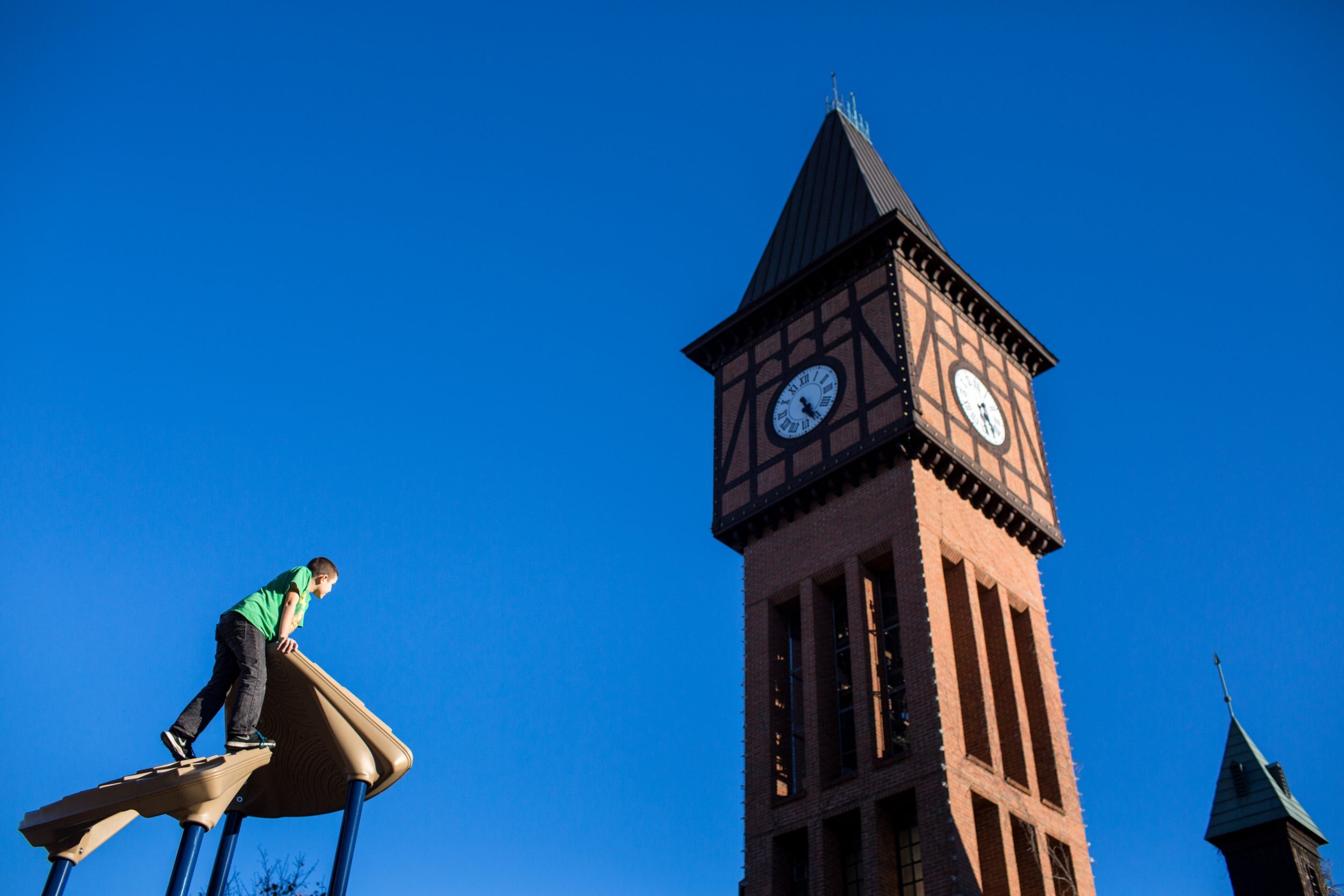
Findlay Market is the only surviving municipal market house of the nine public markets operating in Cincinnati in the 19th and early 20th century. The market house is built on land donated to the City of Cincinnati by the estate of General James Findlay (1770 - 1835) and Jane Irwin Findlay (1769 - 1851). Findlay Market is Ohio's oldest surviving municipal market house. It was designed under the direction of City Civil Engineer Alfred West Gilbert (1816-1900) using a durable but unconventional cast and wrought iron frame, a construction technology that had been little used in the United States. Findlay Market was listed on the National Register of Historic Places in 1972. The structure was among the first markets in the United States to use iron frame construction technology and is one of very few that have survived. Built originally as an open-sided pavilion, the market was erected in 1852 but disputes with contractors and difficulties correcting problems with the new construction methods delayed its opening until 1855. The center masonry tower was added in 1902. Soon after, public health concerns about the market, which was open to the elements and exposed to increasing urban pollution, prompted enclosure of the market house and the addition of plumbing and refrigeration. Merchants previously had used cool storage in deep cellars beneath nearby breweries. The market house tower bell, rung at the start of each market day, was brought from Cincinnati's Pearl Street Market when that facility was torn down in 1934. Findlay Market was renovated in 1973-74 as part of the federal Model Cities program. It was renovated again and expanded in 2002 and 2003. James Findlay was an early Cincinnati settler and civic leader. In 1793, at the age of 23, he brought his new bride, Jane, to the small Ohio River settlement then called Losantiville. James and Jane were younger children of prominent families in Mercersburg, Franklin County, Pennsylvania. Permanent settlement in the basin along the Ohio River between the Great and Little Miami Rivers had become feasible fewer than four years prior to the Findlays' arrival when the new federal government built Fort Washington in late 1789. A year later, in 1790, the settlement's name was changed from Losantiville to Cincinnati. Findlay and a partner, James Smith, built a log store near the Ohio River in 1793 and, a year or two later, moved operations to a larger general merchandise store around the corner from the original site. Findlay was among the early entrepreneurs and land speculators who both fueled and profited from young Cincinnati's rapid growth from a population of 1,000 in 1802 when it was incorporated to a population of more than 46,000 in 1840. By 1860, Cincinnati's population of 160,000 ranked it among the ten largest cities in the nation. James Findlay's first years in Cincinnati coincided with a period of Indian warfare that concluded in 1795 with the Treaty of Greenville. Steamboats didn't arrive on the Ohio River until 1811, so merchandise for Findlay's growing retail business was packed in from the east by horse or brought down river by boat, at great peril prior to the cessation of hostilities. During the summer of 1794, Findlay himself was attacked and nearly killed near Portsmouth, Ohio and a wagon and driver from his store were lost in an attack while delivering supplies to Fort Hamilton, north of Cincinnati. James Findlay served as Mayor of Cincinnati in 1805 and 1810. He and twenty-four other citizens established a public library in Cincinnati in 1802. During the War of 1812 he commanded a regiment near Detroit, built a fort near what later became Findlay, Ohio, and was taken prisoner by British troops. Following the war, he was elected to the U.S Congress and served as a Major General of the State Militia's First Division. Findlay served in Congress with his brothers William and John, each of whom represented Pennsylvania districts, one of only two times in Ame
Findlay Market is the only surviving municipal market house of the nine public markets operating in Cincinnati in the 19th and early 20th century. The market house is built on land donated to the City of Cincinnati by the estate of General James Findlay (1770 - 1835) and Jane Irwin Findlay (1769 - 1851). Findlay Market is Ohio's oldest surviving municipal market house. It was designed under the direction of City Civil Engineer Alfred West Gilbert (1816-1900) using a durable but unconventional cast and wrought iron frame, a construction technology that had been little used in the United States. Findlay Market was listed on the National Register of Historic Places in 1972. The structure was among the first markets in the United States to use iron frame construction technology and is one of very few that have survived. Built originally as an open-sided pavilion, the market was erected in 1852 but disputes with contractors and difficulties correcting problems with the new construction methods delayed its opening until 1855. The center masonry tower was added in 1902. Soon after, public health concerns about the market, which was open to the elements and exposed to increasing urban pollution, prompted enclosure of the market house and the addition of plumbing and refrigeration. Merchants previously had used cool storage in deep cellars beneath nearby breweries. The market house tower bell, rung at the start of each market day, was brought from Cincinnati's Pearl Street Market when that facility was torn down in 1934. Findlay Market was renovated in 1973-74 as part of the federal Model Cities program. It was renovated again and expanded in 2002 and 2003. General James Findlay James Findlay was an early Cincinnati settler and civic leader. In 1793, at the age of 23, he brought his new bride, Jane, to the small Ohio River settlement then called Losantiville. James and Jane were younger children of prominent families in Mercersburg, Franklin County, Pennsylvania. Permanent settlement in the basin along the Ohio River between the Great and Little Miami Rivers had become feasible fewer than four years prior to the Findlays' arrival when the new federal government built Fort Washington in late 1789. A year later, in 1790, the settlement's name was changed from Losantiville to Cincinnati. Findlay and a partner, James Smith, built a log store near the Ohio River in 1793 and, a year or two later, moved operations to a larger general merchandise store around the corner from the original site. Findlay was among the early entrepreneurs and land speculators who both fueled and profited from young Cincinnati's rapid growth from a population of 1,000 in 1802 when it was incorporated to a population of more than 46,000 in 1840. By 1860, Cincinnati's population of 160,000 ranked it among the ten largest cities in the nation. James Findlay's first years in Cincinnati coincided with a period of Indian warfare that concluded in 1795 with the Treaty of Greenville. Steamboats didn't arrive on the Ohio River until 1811, so merchandise for Findlay's growing retail business was packed in from the east by horse or brought down river by boat, at great peril prior to the cessation of hostilities. During the summer of 1794, Findlay himself was attacked and nearly killed near Portsmouth, Ohio and a wagon and driver from his store were lost in an attack while delivering supplies to Fort Hamilton, north of Cincinnati. James Findlay served as Mayor of Cincinnati in 1805 and 1810. He and twenty-four other citizens established a public library in Cincinnati in 1802. During the War of 1812 he commanded a regiment near Detroit, built a fort near what later became Findlay, Ohio, and was taken prisoner by British troops. Following the war, he was elected to the U.S Congress and served as a Major General of the State Militia's First Division. Findlay served in Congress with his brothers William and John, each of whom represented Pennsylvania districts, one o
Loading reviews...