

Burnt Hill Farm
Self-Reported4.9(113)Farm
Aquaculture since 2016
We kindly require reservations to visit the farm.
Biodynamic
Free-Range
Non-GMO
Regenerative
Aquaculture since 2016
We kindly require reservations to visit the farm.
Self-reported practices. This farm has provided information about their practices, but they have not yet been independently verified by Bhumi.
ancient principles & modern knowledge A bottle of wine, perhaps more than anything else, reflects its time, its place, and the people who shaped it. In January 2016, our team of farmers, winemakers, and dreamers partnered with geologist Ernest “Bubba” Beasley to search for the right hillside to plant a new vineyard. With Bubba’s expertise in advanced geologic mapping and weather data, we set out with clear intentions: healthy soils, high elevation, thoughtful topography, and a climate capable of producing vibrant, expressive wines. No vineyard should be planted on unexplored ground. Months of searching led us here. Burnt Hill Farm, 117 acres perched high in the hills of Maryland’s Piedmont Plateau, just 30 miles northwest of Washington, D.C. After a long day digging soil pits across the ridge, Bubba stood up, brushed the dirt from his hands, and said, “This site has the potential to grow extraordinary wines.” We purchased the farm on December 20, 2016. Then we began building a foundation. For two years, we cultivated diverse cover crops, integrated animals, and applied biodynamic practices to enliven the soil and establish a thriving polyculture system. By spring 2019, the land was ready. We planted the old world grape varieties we love, Cabernet Franc, Gamay, Syrah, and more, alongside native American vines and multi heritage hybrids like Regent, a cross of Silvaner, Müller Thurgau, and Chambourcin. These grapes are resilient and full of character. They allow us to farm organically and craft wines that are uniquely our own. Expressive, wild, and unmistakably Burnt Hill. This wild hillside, known as Burnt Hill, takes its name from the fires early settlers used to revitalize the land. In the 1800s, farmers struggled to grow crops on this steep, rocky ground. Instead, they burned timber to produce charcoal, lye, and potash for cooking, soap making, and fertilizer. Two hundred years later, we believe the name Burnt Hill still speaks to the potential of this place. As the Romans discovered long ago, the greatest wines are rarely grown on flat, fertile land. They come from rocky hillsides where other crops fail and vines are forced to dig deep. Today, Burnt Hill is a farm with a new purpose. A rugged landscape growing powerful grapevines that produce wines with distinctive character you can taste. Our logo is a portrait of ambitious winemaking. The sun, just appearing at the crest of the hill, sprays beams upwards and shadows down. This creates a network of deep roots, which can alternately be read as a soil map – irregular, geometric and contained in the clean arc of the hillside. The patterns contained in the horizons both differentiate the soil types, and also hint at the simultaneous diversity and repetition of the tasks that yield exceptional wine. The sun’s rays reach the edges of the atmosphere, leading further up into the cosmos, which takes the shape of a labyrinth. This adds further dimension to the mysteries of agriculture. The path is not always clear but there is both wisdom and direction all around us. The Burnt Hill Project mark is a dynamic picture of the multifarious and singular identity that it embodies. We think of our farm as a living, breathing organism. Like a human body with its network of organs, Burnt Hill is a complex system of interacting forces, soil, plants, animals, fungi, and people, all working together in delicate balance. Much about a hill, its elevation, slope, and exposure, cannot be changed. But other things, like biodiversity, soil health, and resilience, can be shaped and strengthened through the way we farm. While the vineyard sits at the heart of what we do, we invest just as deeply in the life of the farm as a whole. We raise longwool sheep, woodland hogs, honey bees, log grown mushrooms, heritage grains, and a small orchard, always with reverence for the relationships between the land and all who call it home. In symbiosis, we give to this place, trusting it will give back i
ancient principles & modern knowledge A bottle of wine, perhaps more than anything else, reflects its time, its place, and the people who shaped it. In January 2016, our team of farmers, winemakers, and dreamers partnered with geologist Ernest “Bubba” Beasley to search for the right hillside to plant a new vineyard. With Bubba’s expertise in advanced geologic mapping and weather data, we set out with clear intentions: healthy soils, high elevation, thoughtful topography, and a climate capable of producing vibrant, expressive wines. No vineyard should be planted on unexplored ground. Months of searching led us here. Burnt Hill Farm, 117 acres perched high in the hills of Maryland’s Piedmont Plateau, just 30 miles northwest of Washington, D.C. After a long day digging soil pits across the ridge, Bubba stood up, brushed the dirt from his hands, and said, “This site has the potential to grow extraordinary wines.” We purchased the farm on December 20, 2016. Then we began building a foundation. For two years, we cultivated diverse cover crops, integrated animals, and applied biodynamic practices to enliven the soil and establish a thriving polyculture system. By spring 2019, the land was ready. We planted the old world grape varieties we love, Cabernet Franc, Gamay, Syrah, and more, alongside native American vines and multi heritage hybrids like Regent, a cross of Silvaner, Müller Thurgau, and Chambourcin. These grapes are resilient and full of character. They allow us to farm organically and craft wines that are uniquely our own. Expressive, wild, and unmistakably Burnt Hill. This wild hillside, known as Burnt Hill, takes its name from the fires early settlers used to revitalize the land. In the 1800s, farmers struggled to grow crops on this steep, rocky ground. Instead, they burned timber to produce charcoal, lye, and potash for cooking, soap making, and fertilizer. Two hundred years later, we believe the name Burnt Hill still speaks to the potential of this place. As the Romans discovered long ago, the greatest wines are rarely grown on flat, fertile land. They come from rocky hillsides where other crops fail and vines are forced to dig deep. Today, Burnt Hill is a farm with a new purpose. A rugged landscape growing powerful grapevines that produce wines with distinctive character you can taste. Our logo is a portrait of ambitious winemaking. The sun, just appearing at the crest of the hill, sprays beams upwards and shadows down. This creates a network of deep roots, which can alternately be read as a soil map – irregular, geometric and contained in the clean arc of the hillside. The patterns contained in the horizons both differentiate the soil types, and also hint at the simultaneous diversity and repetition of the tasks that yield exceptional wine. The sun’s rays reach the edges of the atmosphere, leading further up into the cosmos, which takes the shape of a labyrinth. This adds further dimension to the mysteries of agriculture. The path is not always clear but there is both wisdom and direction all around us. The Burnt Hill Project mark is a dynamic picture of the multifarious and singular identity that it embodies. // Regenerative Farming We think of our farm as a living, breathing organism. Like a human body with its network of organs, Burnt Hill is a complex system of interacting forces, soil, plants, animals, fungi, and people, all working together in delicate balance. Much about a hill, its elevation, slope, and exposure, cannot be changed. But other things, like biodiversity, soil health, and resilience, can be shaped and strengthened through the way we farm. While the vineyard sits at the heart of what we do, we invest just as deeply in the life of the farm as a whole. We raise longwool sheep, woodland hogs, honey bees, log grown mushrooms, heritage grains, and a small orchard, always with reverence for the relationships between the land and all who call it home. In symbiosis, we give to this place, tru
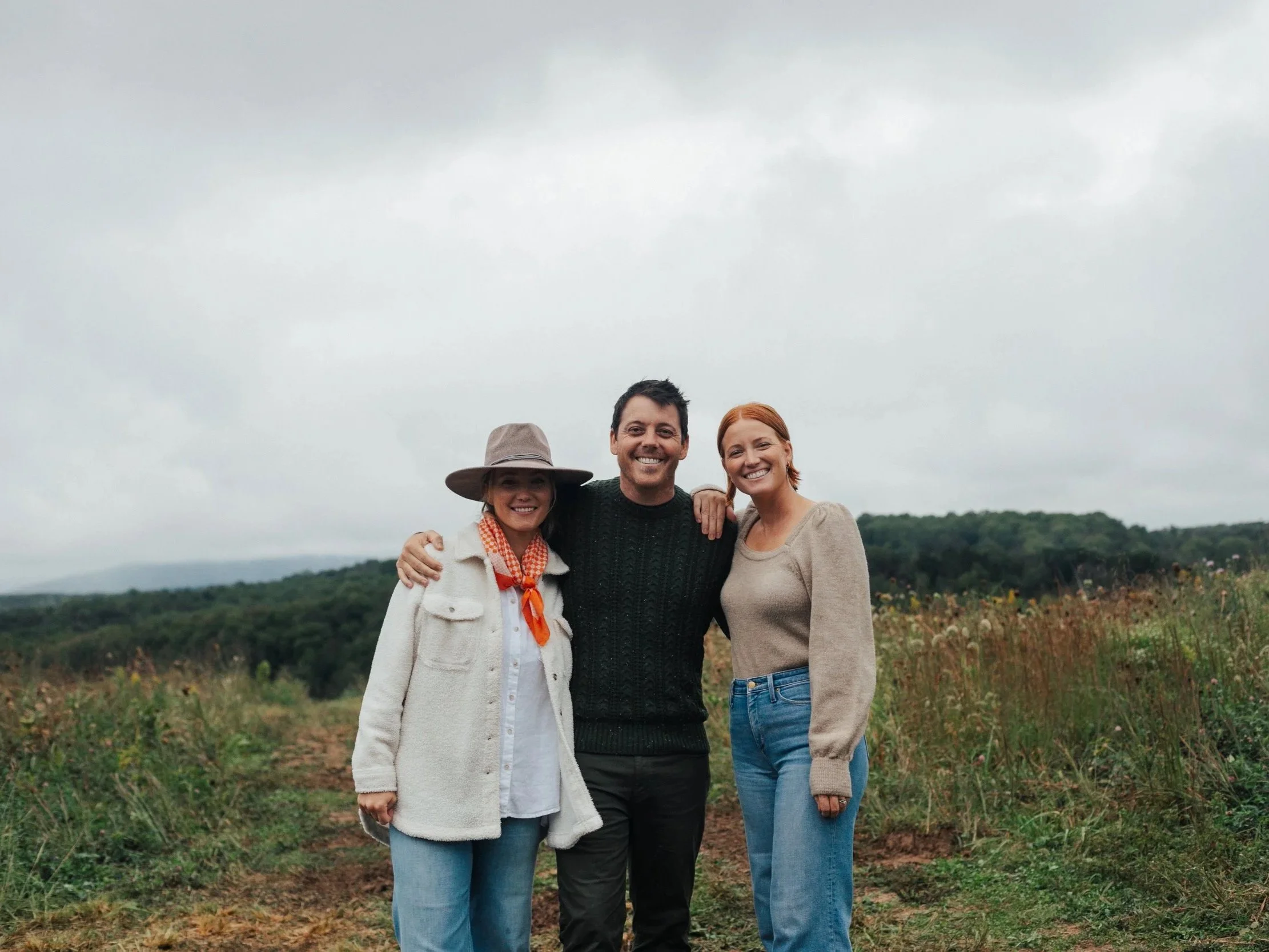
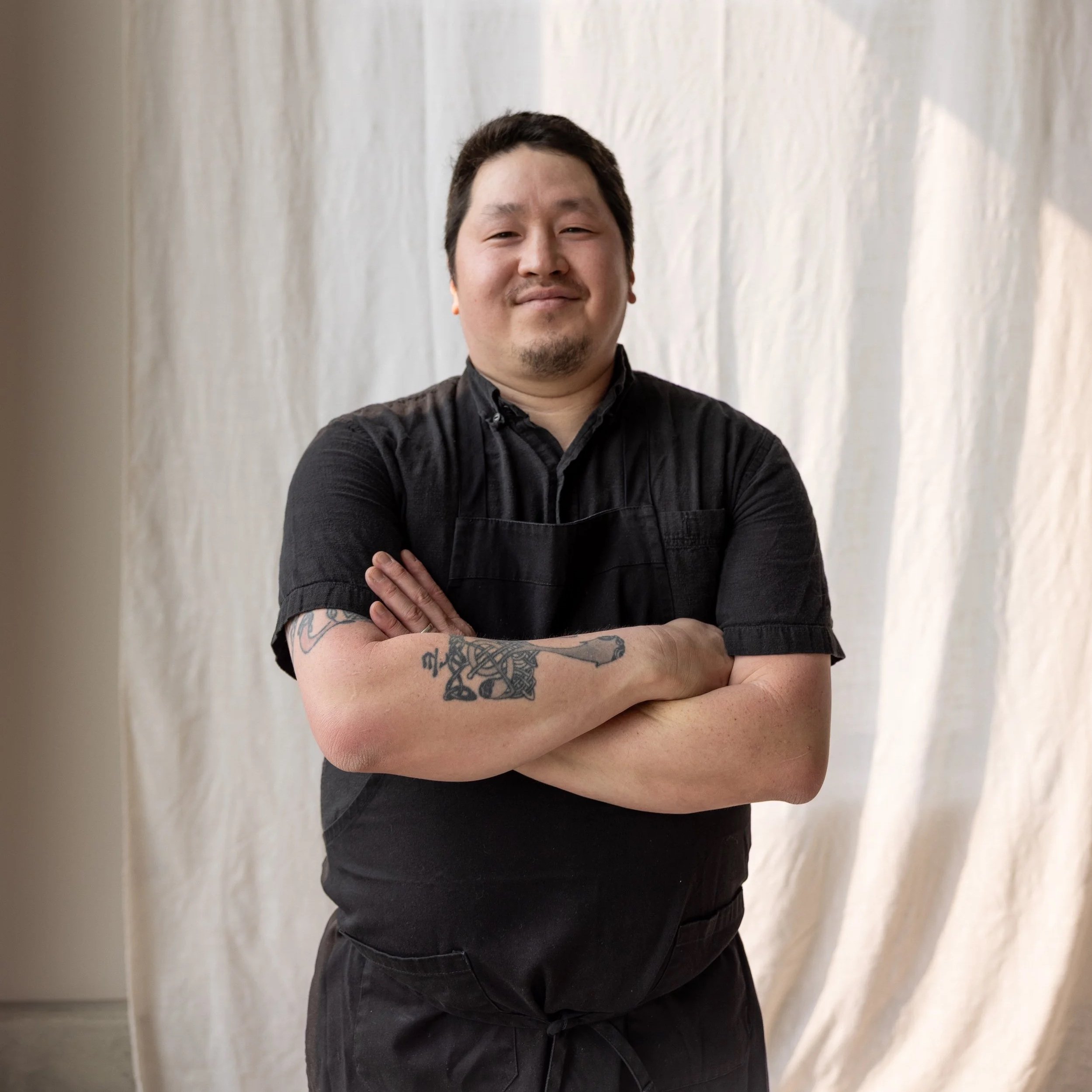
Meet Drew Baker
Farm Owner · Since 2016
Cattle
Cattle: Wagyu
Pigs
Pig: Mangalitsa
Loading reviews...