.jpg)
.jpg)
.jpg)
.jpg)
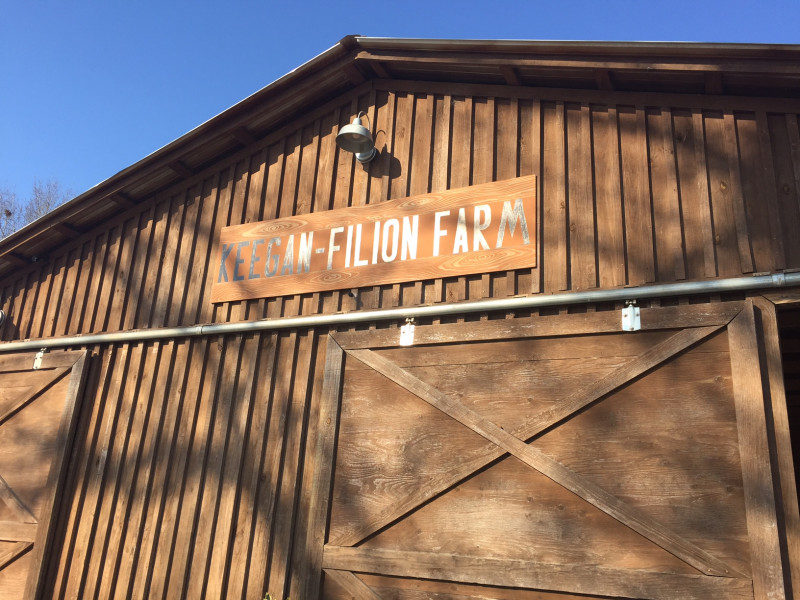
Keegan-Filion Farm
Self-ReportedDiversified Family Farm
NOVEMBER ON THE FARM
Farming since 2012
Diversified Family Farm
NOVEMBER ON THE FARM
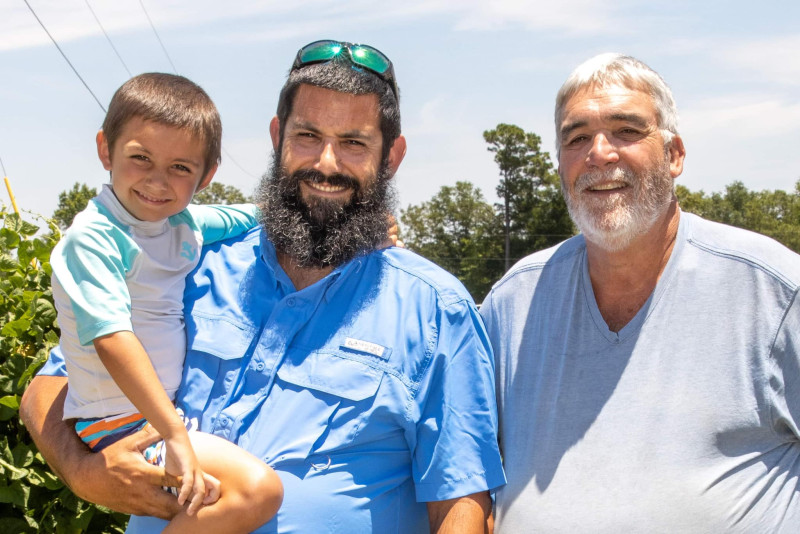
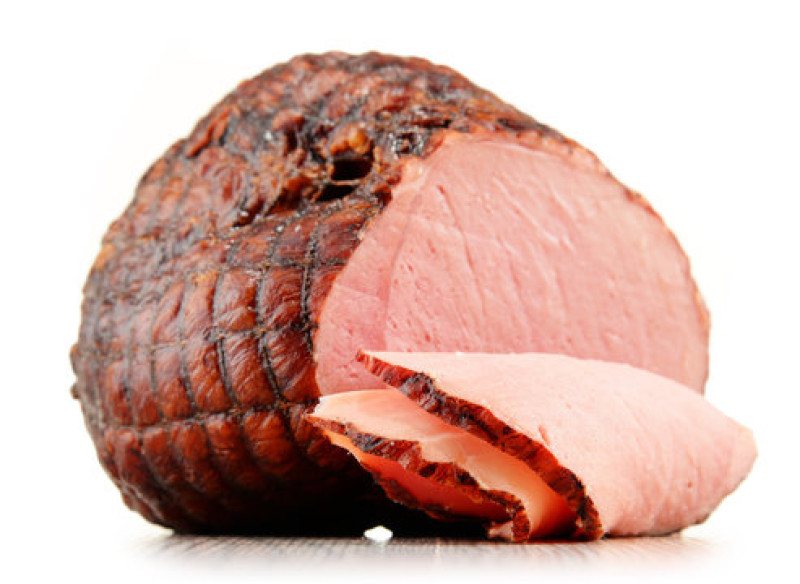
Keegan-Filion Farm is located on a small part of the land first farmed by Annie's great grandfather and grandfather in the early 1930's. A portion of this land was cleared by hand using axes and mules. Wood harvested was used to build the barn which burned down in 2010; a picture of the old barn hangs on the wall in the farms market. Over the years the farm grew corn, soybeans, cotton, and peanuts. Hogs were raised and butchered to feed the family and a herd of cattle was kept to provide income for the family through stockyard sales. The family also kept a large flock of laying hens and sold eggs from the back of a pickup truck to families in Walterboro and to a local restaurant. People today still remember the egg lady riding into their neighborhood on Saturdays with fresh eggs and the farms produce in the bed of the pickup for sale. Every winter the family would gather to butcher several hogs that were used to feed the family throughout the year. Uncle Clifton would be out at the butchering shed around 5am to start the wood fire under the old cast iron syrup kettle, the others would come out around 6:30 to start butchering. The animals were broken down into roasts and chops. The trimmings were ground, seasoned, and put into casing for sausage. Extra meat was cooked in the lard kettle, seasoned, and mixed with rice to make pudding. The skin was cooked into cracklings and the fat was rendered down to lard. Hams and bellies were hung in the smokehouse to cure and later smoked. After curing and smoking, the bellies were cut into bacon and the hams were hung in the kitchen and served with breakfast as "country" ham. Every part of the hog was used, nothing was wasted. There was nothing like walking into Uncle Clifton's kitchen early on a cool, fall, morning and smelling the sausage cooking or "stealing" a piece of country ham and cup of coffee. The eggs were always the freshest having just been laid by his flock of hens. If you left his kitchen hungry, it was your fault. It's important to us that we remember what we've been taught in the past. Today we still farm using the same methods our family always has. Our chickens are raised on pasture as are the turkeys and the hogs. Our cows are raised on summer grasses, winter grazing, and hay. We grind our hog feeds right here on the farm using an old 1970 International hammermill. We grind locally raised corn that we get from 2 farms within 10 miles of our farm. To the ground corn we add soybean meal that we purchase from a local feed mill and a pre-mix that includes the right amount of vitamins, minerals, and probiotics that are required for our hogs. All of our chicken feeds contain probiotics and are purchased from a local feed mill. None of the feed we feed our animals contain animal proteins or antibiotics. The breeds of chickens and hogs we raise are the older, slower growing, breeds. Our chickens take 10 to 12 weeks instead of the 5 or 6 weeks that it takes to grow conventional chickens. Our birds breasts are smaller, the legs are longer, and the flavor is what we remember from our youth. We raise Bronze Broad Breasted turkeys for the Holidays but also raise a few throughout the year. We stock ground turkey as well as make several flavors of turkey sausage. Holiday turkeys are sold on-line and are available to reserve beginning in January. Don't wait to reserve yours, we are normally on a
Keegan-Filion Farm is located on a small part of the land first farmed by Annie's great grandfather and grandfather in the early 1930's. A portion of this land was cleared by hand using axes and mules. Wood harvested was used to build the barn which burned down in 2010; a picture of the old barn hangs on the wall in the farms market. Over the years the farm grew corn, soybeans, cotton, and peanuts. Hogs were raised and butchered to feed the family and a herd of cattle was kept to provide income for the family through stockyard sales. The family also kept a large flock of laying hens and sold eggs from the back of a pickup truck to families in Walterboro and to a local restaurant. People today still remember the egg lady riding into their neighborhood on Saturdays with fresh eggs and the farms produce in the bed of the pickup for sale. Every winter the family would gather to butcher several hogs that were used to feed the family throughout the year. Uncle Clifton would be out at the butchering shed around 5am to start the wood fire under the old cast iron syrup kettle, the others would come out around 6:30 to start butchering. The animals were broken down into roasts and chops. The trimmings were ground, seasoned, and put into casing for sausage. Extra meat was cooked in the lard kettle, seasoned, and mixed with rice to make pudding. The skin was cooked into cracklings and the fat was rendered down to lard. Hams and bellies were hung in the smokehouse to cure and later smoked. After curing and smoking, the bellies were cut into bacon and the hams were hung in the kitchen and served with breakfast as "country" ham. Every part of the hog was used, nothing was wasted. There was nothing like walking into Uncle Clifton's kitchen early on a cool, fall, morning and smelling the sausage cooking or "stealing" a piece of country ham and cup of coffee. The eggs were always the freshest having just been laid by his flock of hens. If you left his kitchen hungry, it was your fault. It's important to us that we remember what we've been taught in the past. Today we still farm using the same methods our family always has. Our chickens are raised on pasture as are the turkeys and the hogs. Our cows are raised on summer grasses, winter grazing, and hay. We grind our hog feeds right here on the farm using an old 1970 International hammermill. We grind locally raised corn that we get from 2 farms within 10 miles of our farm. To the ground corn we add soybean meal that we purchase from a local feed mill and a pre-mix that includes the right amount of vitamins, minerals, and probiotics that are required for our hogs. All of our chicken feeds contain probiotics and are purchased from a local feed mill. None of the feed we feed our animals contain animal proteins or antibiotics. The breeds of chickens and hogs we raise are the older, slower growing, breeds. Our chickens take 10 to 12 weeks instead of the 5 or 6 weeks that it takes to grow conventional chickens. Our birds breasts are smaller, the legs are longer, and the flavor is what we remember from our youth. We raise Bronze Broad Breasted turkeys for the Holidays but also raise a few throughout the year. We stock ground turkey as well as make several flavors of turkey sausage. Holiday turkeys are sold on-line and are available to reserve beginning in January. Don't wait to reserve yours, we are normally on a
Every practice listed here means something specific. Tap any practice to learn what it requires and why it matters.
Beef
Pork
Poultry & Eggs
Self-reported practices. This farm has provided information about their practices, but they have not yet been independently verified by Bhumi.
| monday | Closed |
| tuesday | Closed |
| wednesday | 9 AM – 5 PM |
| thursday | 9 AM – 5 PM |
| friday | 9 AM – 5 PM |
| saturday | Closed |
| sunday | Closed |