



Capra Foods LLC
Self-ReportedRestaurant
Dairy Farm
Purveyors of Sustainable Proteins
100% Grass-Fed
Global Animal Partnership
No Antibiotics
Dairy Farm
Purveyors of Sustainable Proteins
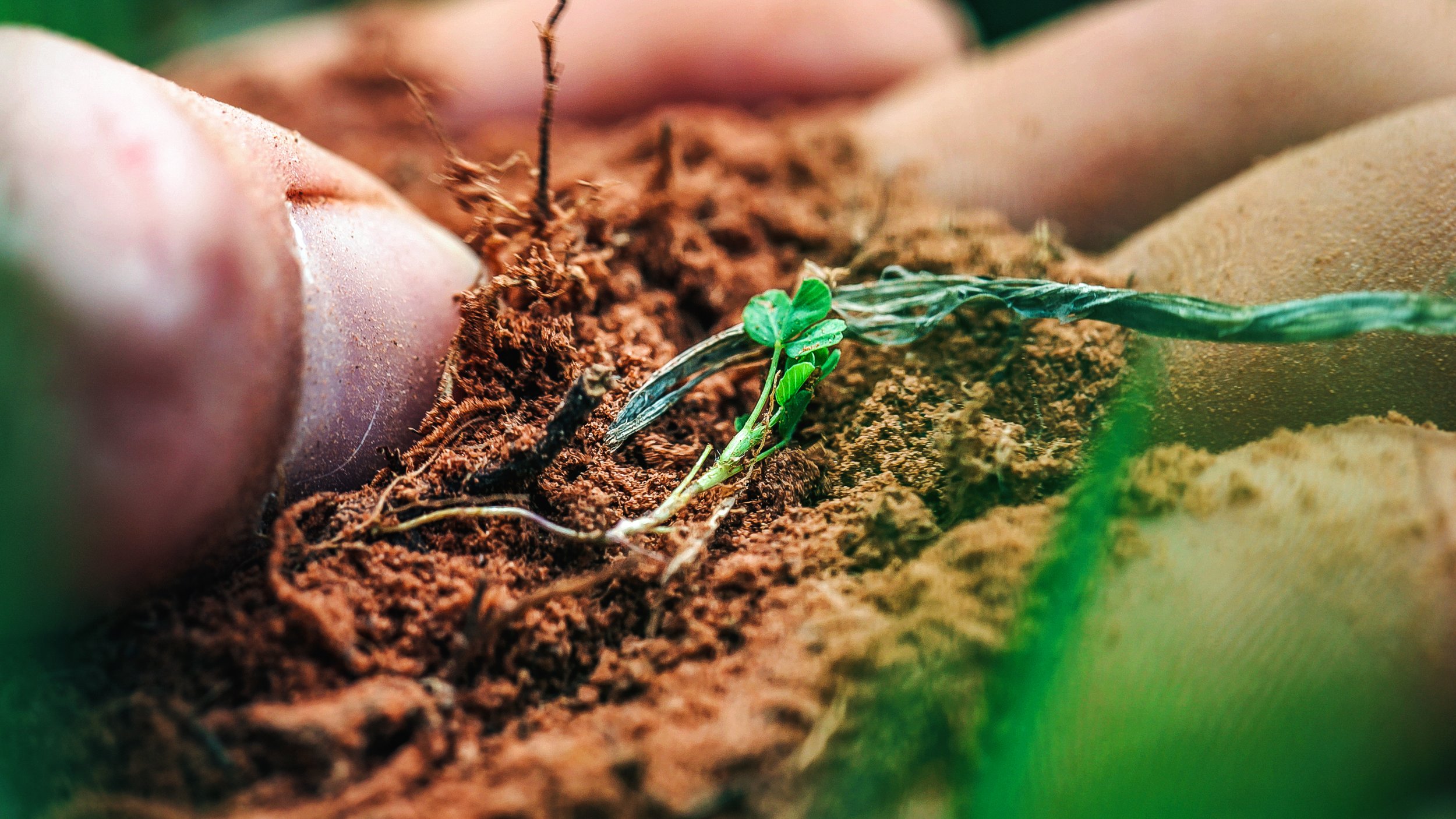
Most people encounter food at the end of its journey—on a plate, in a package, or in a recipe. But long before food reaches the kitchen, it begins as part of a system shaped by soil health, land management, animal welfare, and farming decisions made years earlier. At Capra Foods, we believe food has a story worth understanding—especially when it comes toregenerative agriculture and responsibly raised lamb. Healthy food doesn’t begin with a recipe. It begins withhealthy soil. Soil health directly affects pasture quality, water retention, and plant diversity. In turn, healthy pastures support healthier animals. This connection between soil, animals, and food quality is foundational, yet it’s often overlooked in conventional farming systems designed for efficiency and scale. Regenerative agriculturefocuses on rebuilding soil health rather than depleting it. Practices like rotational grazing, rest periods for land, and working with natural ecosystems help restore soil biology, increase biodiversity, and improve long-term resilience of farmland. These regenerative farming practices take time and care—but they create land that can support animals and communities for generations. Lamb plays an important role in regenerative agriculture when raised responsibly. When grazing is managed thoughtfully, sheep help stimulate plant growth, cycle nutrients back into the soil, and improve soil structure. This process supports healthier pastures and reduces the need for synthetic inputs. Regeneratively raised lambis not separate from the land—it is part of a living system. Animals raised this way experience lower stress, better health, and a more natural environment. That care shows up in the final product:nutrient-dense, grass-fed lambwith exceptional flavor and integrity. Food choices are often driven by convenience or price, but food is more than fuel. It reflects the systems behind it. When food comes from degraded land and industrial production models, the consequences extend beyond the farm—impacting flavor, nutrition, and long-term sustainability. In contrast, food raised through regenerative farming reflects healthier ecosystems and more responsible land stewardship. For families, home cooks, and anyone who valuesreal food, understanding where food comes from is part of eating well. You don’t need to be a farmer to care about regenerative agriculture. But understanding the basics—how food is raised, how animals are treated, and how land is managed—helps consumers make choices that align with their values. At Capra Foods, we believe in transparency. Our role is to connect the dotsfrom pasture to plate, sharing how regenerative practices, thoughtful ranchers, and responsible sourcing come together to produce food you can trust. Because when you understand the story behind your food, a meal becomes more than nourishment. It becomes part of a larger commitment—to the land, to animal welfare, and to the people gathered around the table. Regenerative Protein, Delivered: Why Capra Foods Is Changing How You Buy Meat Online ContactPrivacy PolicyTerms of Use
Most people encounter food at the end of its journey—on a plate, in a package, or in a recipe. But long before food reaches the kitchen, it begins as part of a system shaped by soil health, land management, animal welfare, and farming decisions made years earlier. At Capra Foods, we believe food has a story worth understanding—especially when it comes toregenerative agriculture and responsibly raised lamb. Healthy food doesn’t begin with a recipe. It begins withhealthy soil. Soil health directly affects pasture quality, water retention, and plant diversity. In turn, healthy pastures support healthier animals. This connection between soil, animals, and food quality is foundational, yet it’s often overlooked in conventional farming systems designed for efficiency and scale. Regenerative agriculturefocuses on rebuilding soil health rather than depleting it. Practices like rotational grazing, rest periods for land, and working with natural ecosystems help restore soil biology, increase biodiversity, and improve long-term resilience of farmland. These regenerative farming practices take time and care—but they create land that can support animals and communities for generations. Lamb plays an important role in regenerative agriculture when raised responsibly. When grazing is managed thoughtfully, sheep help stimulate plant growth, cycle nutrients back into the soil, and improve soil structure. This process supports healthier pastures and reduces the need for synthetic inputs. Regeneratively raised lambis not separate from the land—it is part of a living system. Animals raised this way experience lower stress, better health, and a more natural environment. That care shows up in the final product:nutrient-dense, grass-fed lambwith exceptional flavor and integrity. Food choices are often driven by convenience or price, but food is more than fuel. It reflects the systems behind it. When food comes from degraded land and industrial production models, the consequences extend beyond the farm—impacting flavor, nutrition, and long-term sustainability. In contrast, food raised through regenerative farming reflects healthier ecosystems and more responsible land stewardship. For families, home cooks, and anyone who valuesreal food, understanding where food comes from is part of eating well. You don’t need to be a farmer to care about regenerative agriculture. But understanding the basics—how food is raised, how animals are treated, and how land is managed—helps consumers make choices that align with their values. At Capra Foods, we believe in transparency. Our role is to connect the dotsfrom pasture to plate, sharing how regenerative practices, thoughtful ranchers, and responsible sourcing come together to produce food you can trust. Because when you understand the story behind your food, a meal becomes more than nourishment. It becomes part of a larger commitment—to the land, to animal welfare, and to the people gathered around the table. Regenerative Protein, Delivered: Why Capra Foods Is Changing How You Buy Meat Online
Meet longtime local
Restaurant Owner
Every practice listed here means something specific. Tap any practice to learn what it requires and why it matters.
Dairy
General Practices
Self-reported practices. This farm has provided information about their practices, but they have not yet been independently verified by Bhumi.
Practices