



Petsch Cattle Company, LLC
Self-ReportedFarm
Diversified Family Farm
Petsch Cattle Co. | Fredericksburg, TX
Farming since 1914
antibiotic-free
100% Grass-Fed
Diversified Family Farm
Petsch Cattle Co. | Fredericksburg, TX
Cattle
Cattle: Angus, Cattle: Hereford
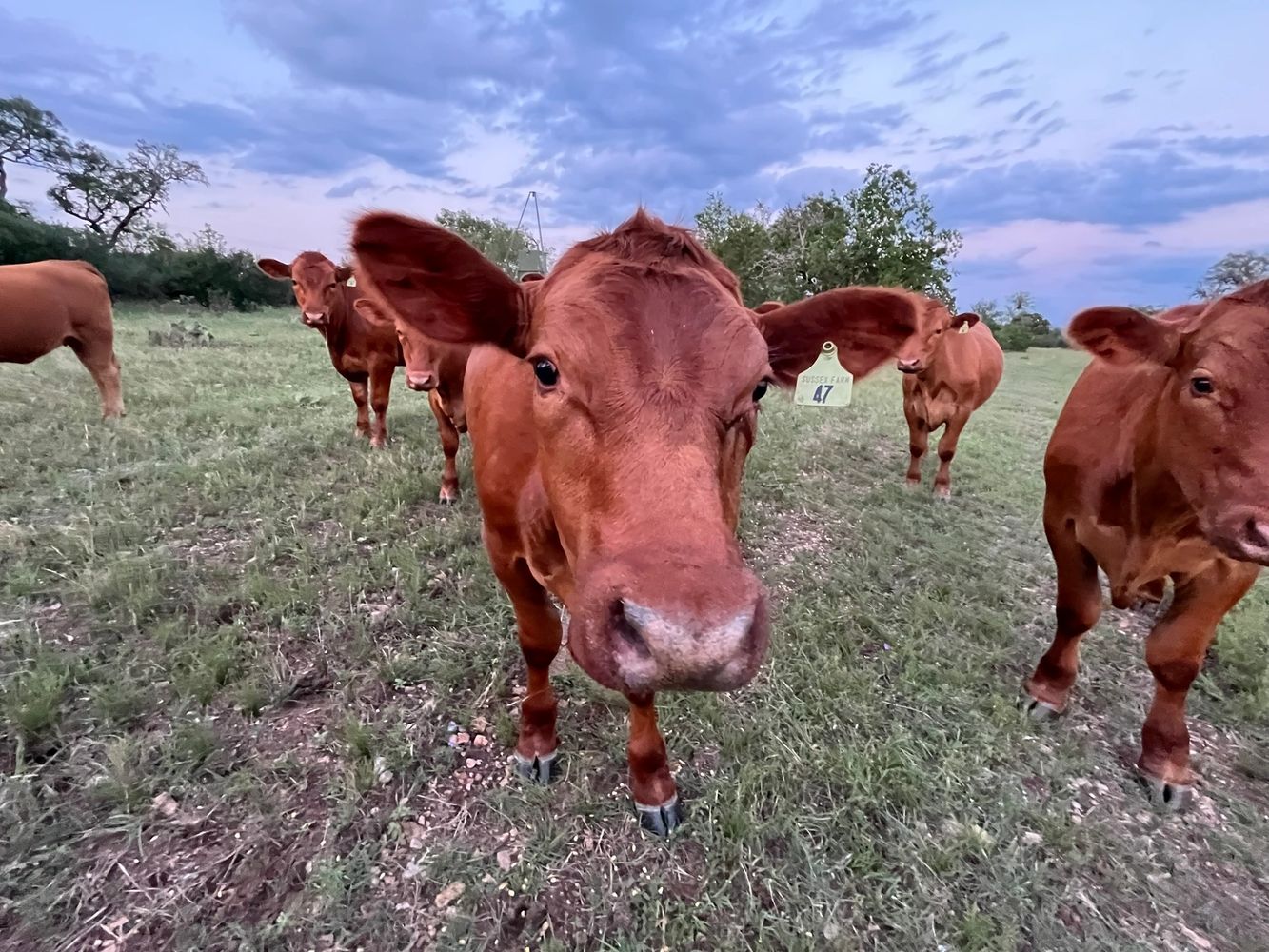
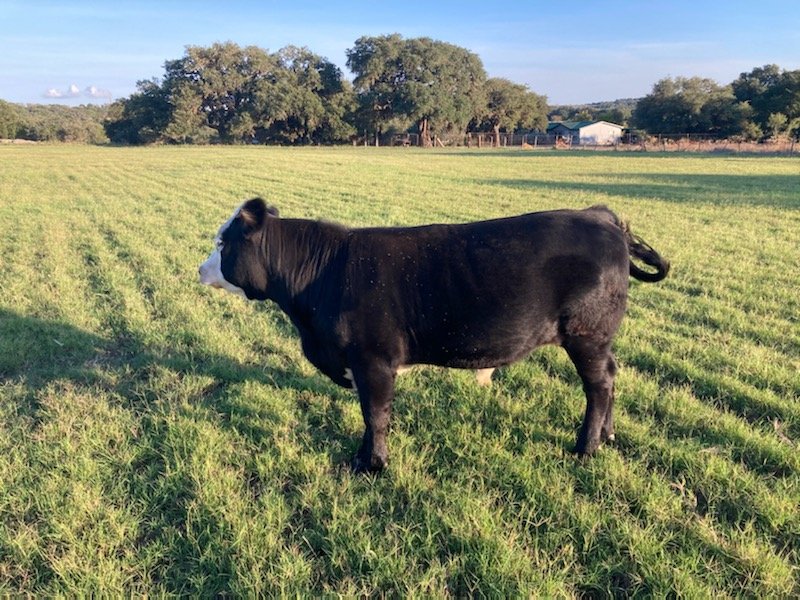
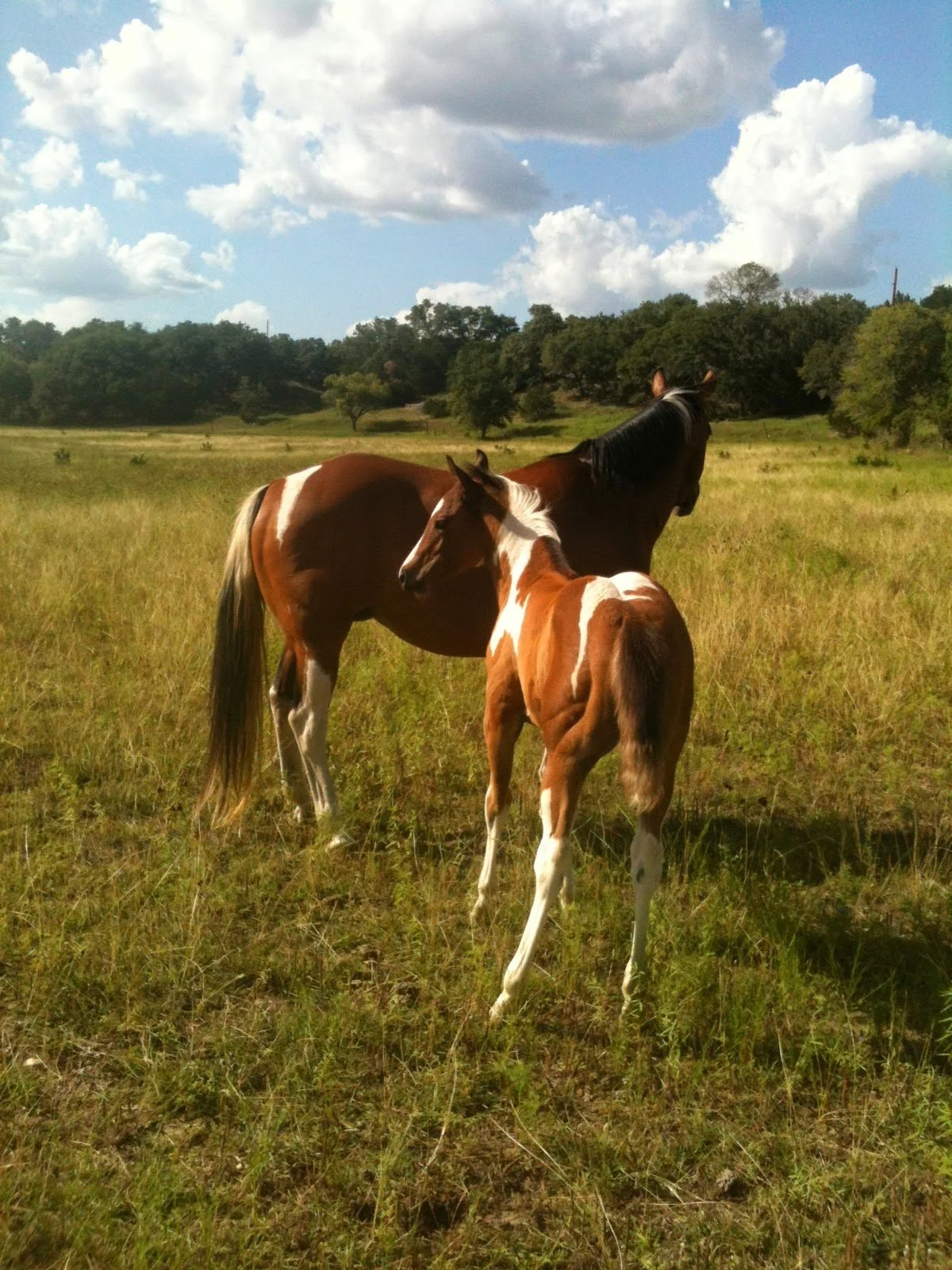
Our cattle have roamed free on our property since the first generation of our family started Petsch Ranchin 1914. Handed down from generation to generation for over100years, we have dedicated our life to the safety and security of our livestock and crops. The most recent generation owning the ranch are sisters, Jeanine Bell & Sheila Petsch. They are great-great-great granddaughters to some of the greatestpioneersof Fredericksburg, Texas. The land was used by grandparents Emil and Thekla Petsch to support the war effort during World War II, and continues to produce beef cattle, goats, and hay still to this day. April, Kendall, and Evan, Jeanine's children, continue to carry on thelegacystarted so many years ago in running the many operations a working ranch needs. Nestled only 2 miles from Luckenbach and just 16 miles from downtown Fredericksburg, our cattle enjoy all the beauty the Texas Hill Country has to offer. Our cattle are the direct descendants from over 100 years of cattle ranching. From one of the leading certified Hereford cattle ranches in the area to now a superior cross of Hereford and Angus, Petsch Cattle Company provides quality you can taste and see. Our cattle here at Petsch Ranch are rotated across many acres of pastureland in the Texas Hill Country. They eat native grasses such as Little Bluestem, Big Bluestem, and more during the growing months and are fed Coastal Hay grown right here on our ranch throughout the winter months. Our cows are fed salt licks and mineral blocks to ensure they have the necessary vitamins and minerals to support healthy growth, healthy birth, and--most importantly--healthy cattle. Our full circle feeding program provides our cattle withlocalnutritionfromourranchtoyourtable. Little bluestem (Schizachyrium scoparium) is a native grass species that is widely used as a forage plant for cattle in the United States. One of the main benefits of little bluestem for cattle is its high nutritional value. It is rich in protein, energy, and minerals, making it an excellent source of nutrition for livestock. It has a high digestibility rate, which means that cattle are able to efficientlyextractnutrientsfrom it. Little Bluestem is also a valuable grass for soil health. It has deep roots that help to improve soil structure and fertility, as well as reduce erosion. This makes it an important component of oursustainablepasture management system. Big bluestem grass (Andropogon gerardii) is a perennial grass native to the tallgrass prairies of North America. It is an important forage grass for cattle and other livestock, offering a number of benefits. One benefit of big bluestem grass is its high nutritional value. It is rich in protein, energy, and other nutrients, making it an excellent source of feed for cattle. It is particularly high in protein during the late vegetative and early reproductive growth stages, which makes it an ideal choice for feeding growing or lactating animals. Big bluestem grass is also highly palatable, meaning that cattle will readily consume it and derivemaximumbenefitfrom its nutrients. This can be especially beneficial during times of drought or other periods when forage is scarce. Coastal hay is a type of hay that is typically made from grasses that grow along the coast, such as Bermuda grass, Bahia grass, and Coastal bermudagrass. Coastal hay is known for its high nutrient content, including protein, fiber, and minerals, which can be beneficial for cattle when fed as part of a balanced diet. One benefit of feeding coastal hay to cattle is that it can help improve their overall health and well-being. The high nutrient content of coastal hay can help support the growth and development of cattle, as well as improve their immune system function. In addition, the fiber in coastal hay can help support healthy digestion in cattle and prevent digestive issues such as bloating and constipation. Salt Lick Blocks are blocks of salt that are provided to cattle for co
Our cattle have roamed free on our property since the first generation of our family started Petsch Ranch in 1914. Handed down from generation to generation for over 100 years, we have dedicated our life to raising cattle.
Meet Petsch Cattle Company
Farm Owner · Since 1914
Every practice listed here means something specific. Tap any practice to learn what it requires and why it matters.
Beef
Dairy
General Practices
Self-reported practices. This farm has provided information about their practices, but they have not yet been independently verified by Bhumi.
Practices