Pasture Prime Wagyu & Family Farm
Self-ReportedMixed Livestock Farm
Pasture Prime Family Farm LLC
Farming since 2011
Mixed Livestock Farm
Pasture Prime Family Farm LLC
Cattle
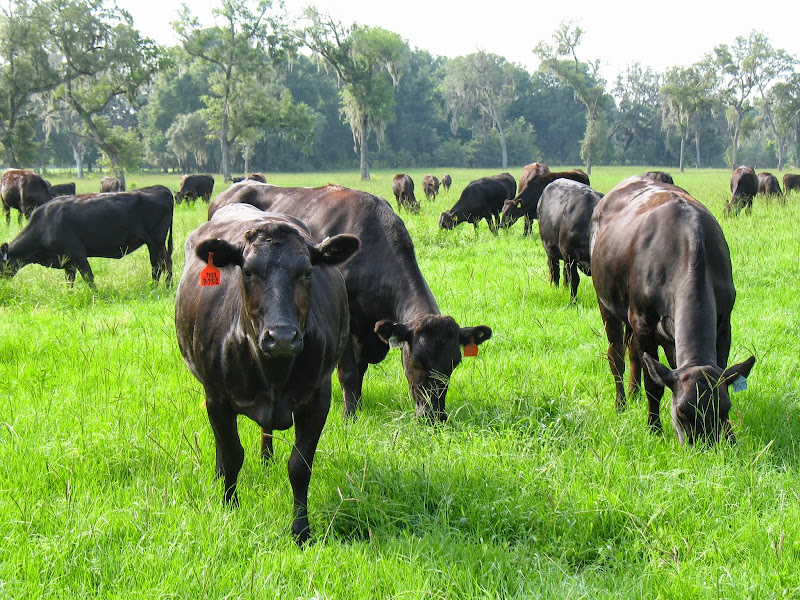
Cattle: Wagyu, Wagyu cattle
Pigs
Pig: Berkshire, Pig: Mangalitsa, Berkshire pigs, Mangalitsa pigs
Poultry
Poultry: Red Ranger
Other
bundle/variety pack
Pickup
farm pickup
Markets & Stores
farmers market
Online & Ordering
online ordering
I have to admit: I love a good theme. And when I say “a good theme,” I don’t mean something like…blue. Blue is a color scheme, yes. A perfectly lovely one! But it’s not a THEME. A theme is something that permeates the whole party or event, where each little touch somehow ties back to the main theme. If it’s so subtle most people won’t even pick up on it? Even better! This is hard to do when you are party planning! But one holiday where it might be easier (in fact, you might not even realize you’re doing it) is the Fourth of July. Let’s start with the color scheme. Red, white, and blue, our classic American color palette. But why these colors? The thirteen stripes on the flag represent the thirteen original colonies, which was originally determined by the Continental Congress on June 14, 1777. While the number of stars continued to fluctuate as more states joined the Union, it was later decided that the number of stripes would remain at thirteen. The current design of the American flag, as we know it today, dates back to 1960 when Hawaii joined the Union. But originally, the decision to use red, white, and blue in the American flag did not have a specific significance. The colors are similar to those used in the Union Jack of England, which was the flag originally flown in the thirteen colonies, so simple familiarity may have played some role in color selection. Later on, when the Great Seal of the President of the United States was being developed, both the fact that these colors had been used in the flag and the significance of the colors red, white and blue was taken into consideration and shared with Congress during the seal design presentation in 1782. White represented purity and innocence, while red represented valor and blue vigilance and justice, Charles Thomson, Secretary of the Continental Congress,explained. In addition to an all-American color scheme and abundance of flags, the Fourth of July usually features a barbecue or two…gazillion. Sixty-three percent of grill-owning Americansin 2017reported firing up the grill on the Fourth of July, making July 4ththe country’s most popular barbecue date. Why do we do this? What made a BBQ the go-to option for celebrating our independence? The tradition of outdoor cooking to observe Independence Day dates back to the early 1800s. In a time before a reliable, speedy postal service, never mind today’s instant access to information at our fingertips, one way for politicians to share their views and ideas was to hold a rally. The promise of food was an added incentive to draw in the crowds. Independence Day was a popular date for these events and they became particularly prevalent in the South, where colonists in Virginia had been smoking large animals over pits during the summer months since well before the colonies declared their independence from King George III. In the 20thcentury, the advent of personal, household grills made holding your own barbecue feasible, and the tradition of the family-and-friends barbecues we’re all familiar with today was formed. And why are we all cooking what we’re cooking? While the original Independence Day barbecues featured large animals, such as whole pigs or even buffalo, today, burgers and hotdogs are the norm. In the 1800s, Germans emigrated to America and brought their favorite foods with them, among them frankfurters, wieners, and hamburgers. While the original hamburg steak was a semi-cured piece of beef that more closely resembles today’s bun-less Salisbury steak recipes (“hamburg steak” shifted to “Salisbury steak” during World War I to avoid any affiliation with Germany), today’s hamburgers are uniquely American thanks to the addition of hamburger buns, the meat grinder, and burgers’ prominent place in American culture and cuisine. Hotdogs, on the other hand, have stayed fairly similar to their original German predecessors and Americans consume 150 million (wow!) of them every Fourth of July. We’ve got all your barbecuin
Our STORYOur Mission Siverson Family Farm Terminology 101 Farm NOTESSaturday Farm Pick-ups News Links on Farming & Animals Frequently Asked Questions Event Calendar Grass-Fed Wagyu BEEFGrass-Fed Wagyu Beef Health Benefits of Natural Grass-Fed Beef Meat Terminology Berkshire PORKAbout Berkshire Heritage Pork Shop Berkshire Pork Free-Range POULTRYNon GMO Free Range Turkeys NON GMO Pasture Raised Free Range Chickens I have to admit: I love a good theme. And when I say “a good theme,” I don’t mean something like…blue. Blue is a color scheme, yes. A perfectly lovely one! But it’s not a THEME. A theme is something that permeates the whole party or event, where each little touch somehow ties back to the main theme. If it’s so subtle most people won’t even pick up on it? Even better! This is hard to do when you are party planning! But one holiday where it might be easier (in fact, you might not even realize you’re doing it) is the Fourth of July. Let’s start with the color scheme. Red, white, and blue, our classic American color palette. But why these colors? The thirteen stripes on the flag represent the thirteen original colonies, which was originally determined by the Continental Congress on June 14, 1777. While the number of stars continued to fluctuate as more states joined the Union, it was later decided that the number of stripes would remain at thirteen. The current design of the American flag, as we know it today, dates back to 1960 when Hawaii joined the Union. But originally, the decision to use red, white, and blue in the American flag did not have a specific significance. The colors are similar to those used in the Union Jack of England, which was the flag originally flown in the thirteen colonies, so simple familiarity may have played some role in color selection. Later on, when the Great Seal of the President of the United States was being developed, both the fact that these colors had been used in the flag and the significance of the colors red, white and blue was taken into consideration and shared with Congress during the seal design presentation in 1782. White represented purity and innocence, while red represented valor and blue vigilance and justice, Charles Thomson, Secretary of the Continental Congress,explained. In addition to an all-American color scheme and abundance of flags, the Fourth of July usually features a barbecue or two…gazillion. Sixty-three percent of grill-owning Americansin 2017reported firing up the grill on the Fourth of July, making July 4ththe country’s most popular barbecue date. Why do we do this? What made a BBQ the go-to option for celebrating our independence? The tradition of outdoor cooking to observe Independence Day dates back to the early 1800s. In a time before a reliable, speedy postal service, never mind today’s instant access to information at our fingertips, one way for politicians to share their views and ideas was to hold a rally. The promise of food was an added incentive to draw in the crowds. Independence Day was a popular date for these events and they became particularly prevalent in the South, where colonists in Virginia had been smoking large animals over pits during the summer months since well before the colonies declared their independence from King George III. In the 20thcentury, the advent of personal, household grills made holding your own barbecue feasible, and the tradition of the family-and-friends barbecues we’re all familiar with today was formed. And why are we all cooking what we’re cooking? While the original Independence Day barbecues featured large animals, such as whole pigs or even buffalo, today, burgers and hotdogs are the norm. In the 1800s, Germans emigrated to America and brought their favorite foods with them, among them frankfurters, wieners, and hamburgers. While the original hamburg steak was a semi-cured piece of beef that more closely resembles today’s bun-less Salisbury steak recipes (“hamburg steak” shifted to “Salisbury steak” during
Meet our family
Farm Owner · Since 2011
Every practice listed here means something specific. Tap any practice to learn what it requires and why it matters.
Beef
Self-reported practices. This farm has provided information about their practices, but they have not yet been independently verified by Bhumi.
| monday | Closed |
| tuesday | Closed |
| wednesday | Closed |
| thursday | Closed |
| friday | Closed |
| saturday | 9 AM – 11 AM |
| sunday | Closed |
Practices