



Stone Garden Farm & Village
Self-ReportedFarm Stand
Mixed Livestock Farm
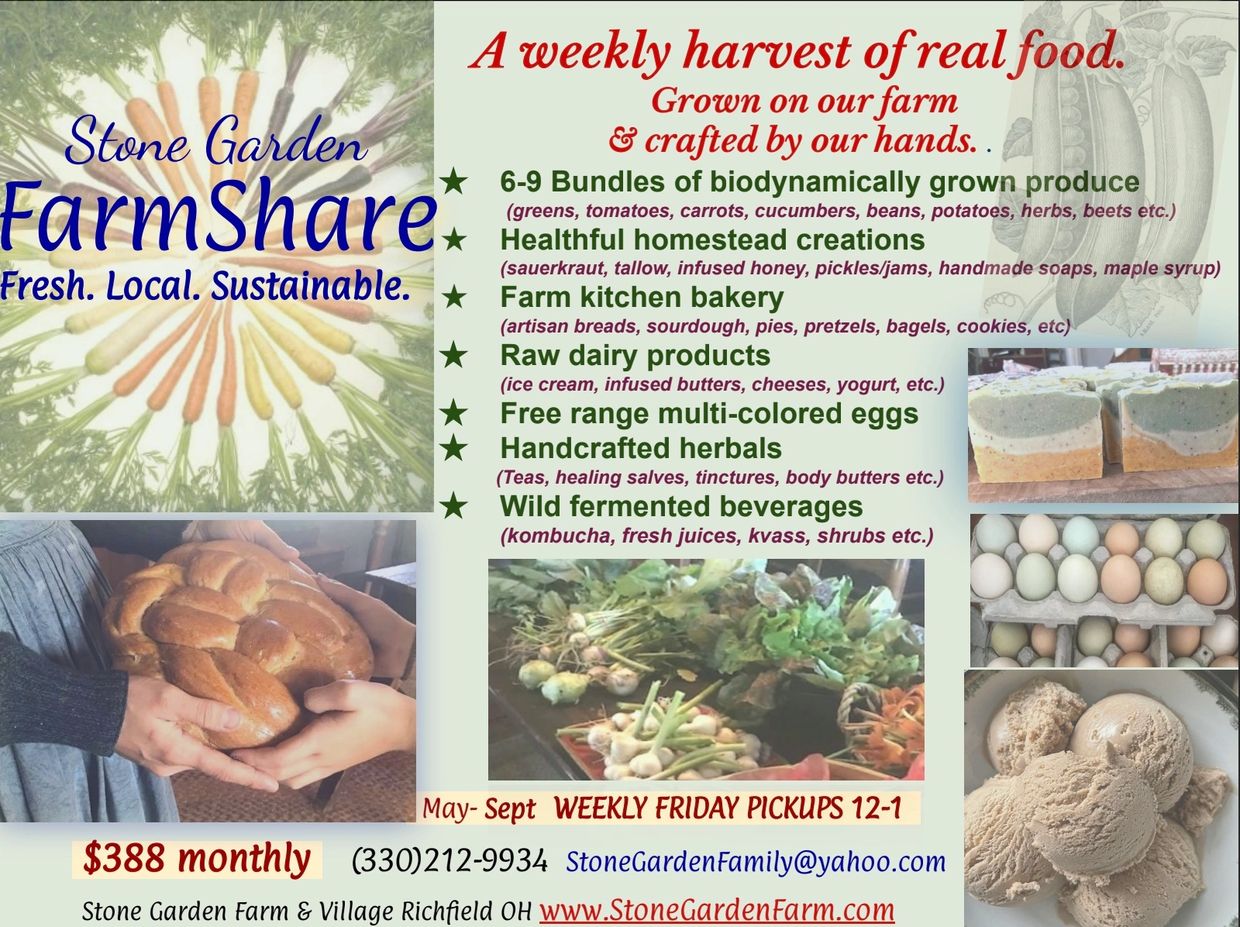
FarmShare is BACK
Biodynamic
Certified Naturally Grown
100% Grass-Fed
Free-Range
🥚
Eggs
Pasture-Raised Eggs
🥩
Meat & Poultry
100% Grass-Fed BeefPasture-Raised ChickenPasture-Raised TurkeyPasture-Raised DuckFree-Range ChickenGoat
🥛
Dairy
Raw MilkGrass-Fed MilkGrass-Fed ButterGrass-Fed YogurtButtermilkCheeseIce Cream
🥬
Produce
AsparagusBeetsCollardsCornEggplantGarlicGreen BeansLettuceOkraPumpkinsRhubarbSummer SquashSwiss ChardTurnipsZucchini
🍓
Fruit & Berries
RaspberriesBerries
🌿
Herbs
Fresh HerbsMedicinal Herbs
Photos
Practices
heirloom varieties
permaculture
raw/unpasteurized
Self-reported practices. This farm has provided information about their practices, but they have not yet been independently verified by Bhumi.
About Stone Garden Farm & Village
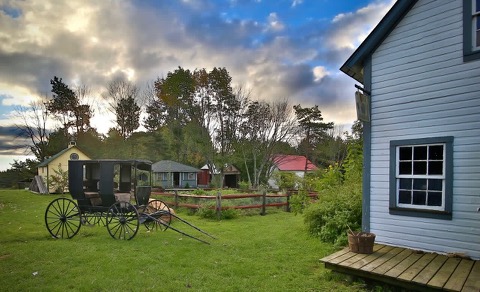
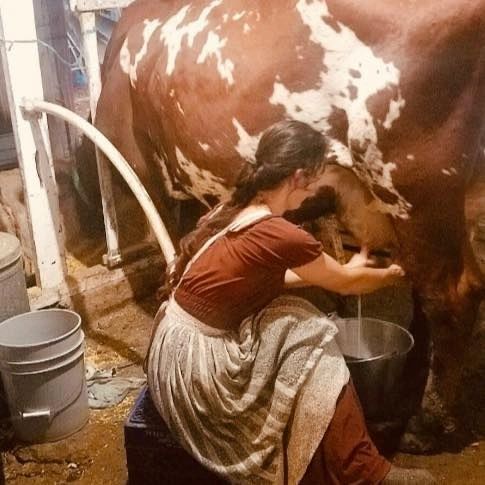
'To understand today,search yesterday..' 'To understand today,search yesterday..' Stone Garden is a nearly self-sufficient farm. We produce our own eggs, meats, dairy and vegetables. In our general store, we sell a variety of homemade soaps, handcrafted herbal teas, honey, maple syrup, metal garden art, many crafts, free range multi-colored eggs, and lots more according to season. In October, we sell pumpkins, corn stalks, folk art, harvest crafts, our own bottled sodas and cider. For Christmas, we offer trees, wreathes, roping and local handmade Christmas decorations and gifts. We have five different organic and permaculture vegetable gardens. They include 100 year old asparagus and rhubarb patches, many "wild" edibles, a wide variety of heritage and heirloom vegetables and delicious and rare berries and fruits. The woods, fields and pastures add to the fun of plenty to do and see. At Stone Garden we do animal rescues and have been home to turkeys, llamas, horses, beef cattle and many others we have cared for. We currently have La Mancha milk goats, free-range chickens, Jersey milk cows, Jacob sheep, ducks and heritage pigs. Barn cats are always slinking around, and bunnies hop around their hutch all day. We sell grass-fed and grain-free meat by the whole, half or pound. We homeschool our children and often invite the community to different homeschool events. We teach classes on heritage skills for all ages. We often host photographic groups, weddings, birthday parties, car shows, music gatherings, primitive skills classes and other events and get-togethers. We are open year around and we're happy to offer free tours, or just let folks browse and wander as they enjoy a day in the country. A part of the farm has been dedicated to the creation of The Museum of Western Reserve Farms and Equipment. Our goal is to establish a working village during the 1820's to 1920's, equipped with every shop and trade common to a small town. We are saving and preserving many historic buildings that would have otherwise been forever lost. And we are recording the stories of many of the old farming families of the Western Reserve. The Museum is so far comprised of a collection of 40+ historic buildings moved here from 6 northern Ohio counties, with more added each year. These buildings are arranged as a 'Western Reserve' style town, that includes a one room school, a Gen'l Store, a post office dating to 1825, a cigar factory, windmills, old time water pumps & troughs, one of the oldest barns in Ohio, and a bakery. Many other buildings have been restored to their original use and purpose with each building open for touring. They each contain a variety of tools, equipment, and rare, non-electric antiques. The shops include blacksmithing, harness & boot making shop, weaving mill, sawmill, barrel making, tin shop, a letterpress print shop, broom making, threshing mill, rope making, wood shop, and much more. For more information on The Museum of Western Reserve Farms and Equipment please visit,www.OhioFarmMuseum.com Jim Fry fondly remembers hearing the stories of the local Elders as he was growing up in the small farming community of Richfield, Ohio. They spoke of unpaved dirt roads, only occasional mail deliveries, seeing the first car or airplane and even continued to debate about The War Between the States. When the freeways passed thru Richfield, the farms and farmers began to disappear. Gone were the feed stores and blacksmith and harness shops. Not far away the horse farm on the hill became a place of banks, condos and restaurants. As the fields where Fry once made hay became developments and the final resting places of horse drawn equipment were bulldozed, Jim decided to try to save what he could of a fast fading agricultural past. Jim Fry, the founder of the Museum of Western Reserve Farms and Equipment, has been a life long farmer, historian, educator and social activist. Fry has raised pumpkins and Christmas trees on his family f