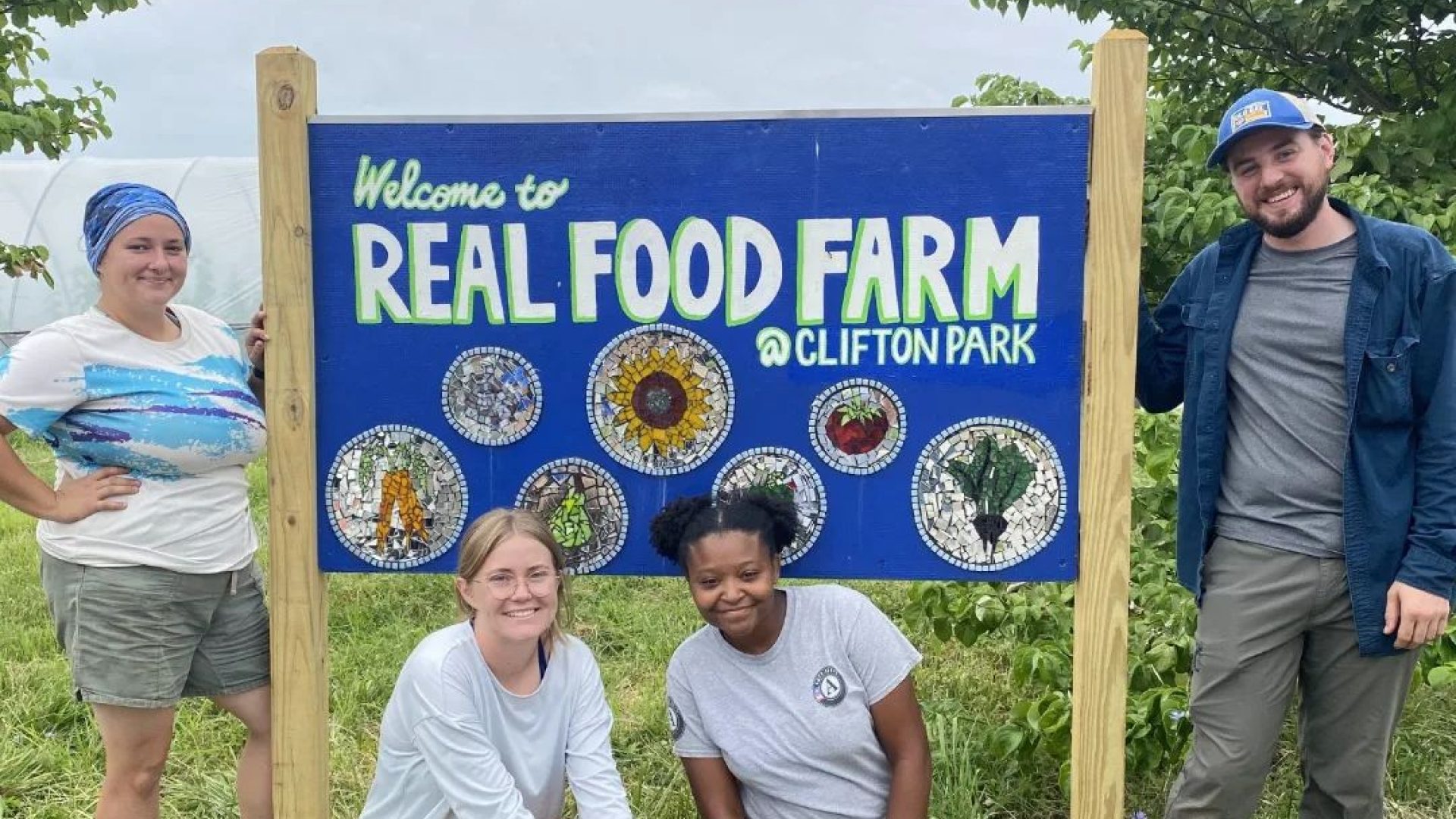


Real Food Farm
UnverifiedFarm
Produce Farm since 1987
Our Urban Farm
Certified Naturally Grown
🥬
Produce
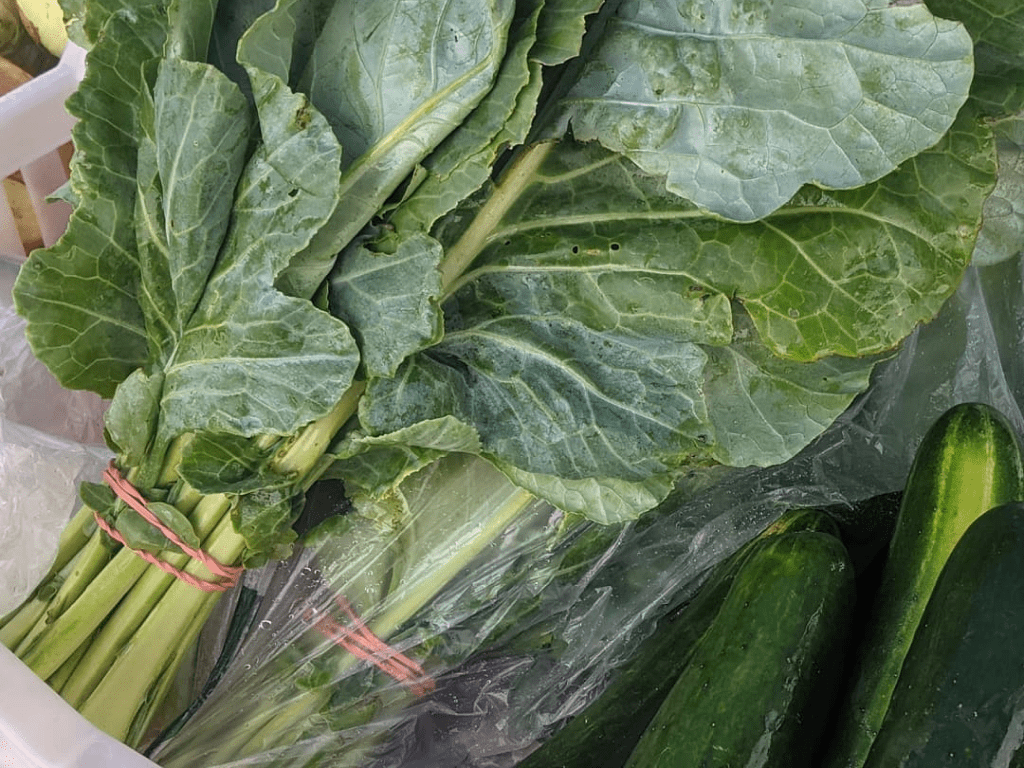
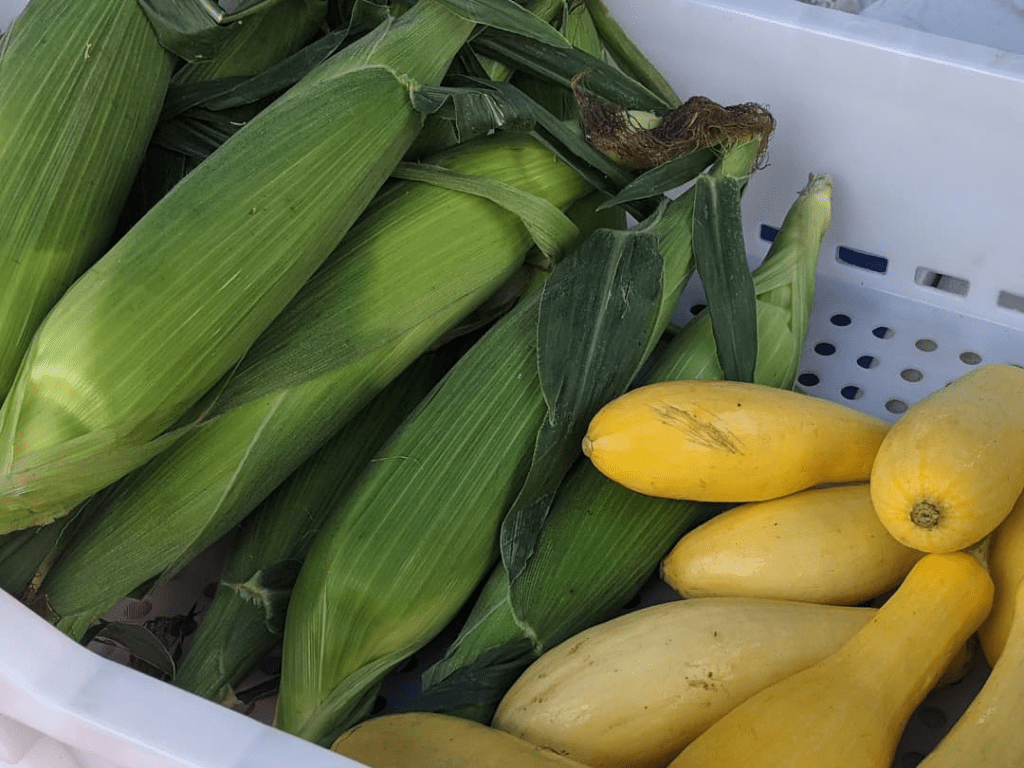
ArugulaBeetsBroccoliCabbageCarrotsCauliflowerCollardsCucumberEggplantGarlicGingerGreen BeansHot PeppersKaleKohlrabiLeeksLettuceOkraRhubarbSproutsSummer Squash
🍓
Fruit & Berries
Watermelons
🌿
Herbs
Fresh Herbs
📦
CSA
Csa
🫙
Pantry & Preserves
Jam
📦
Other
Seedlings
Photos
Practices
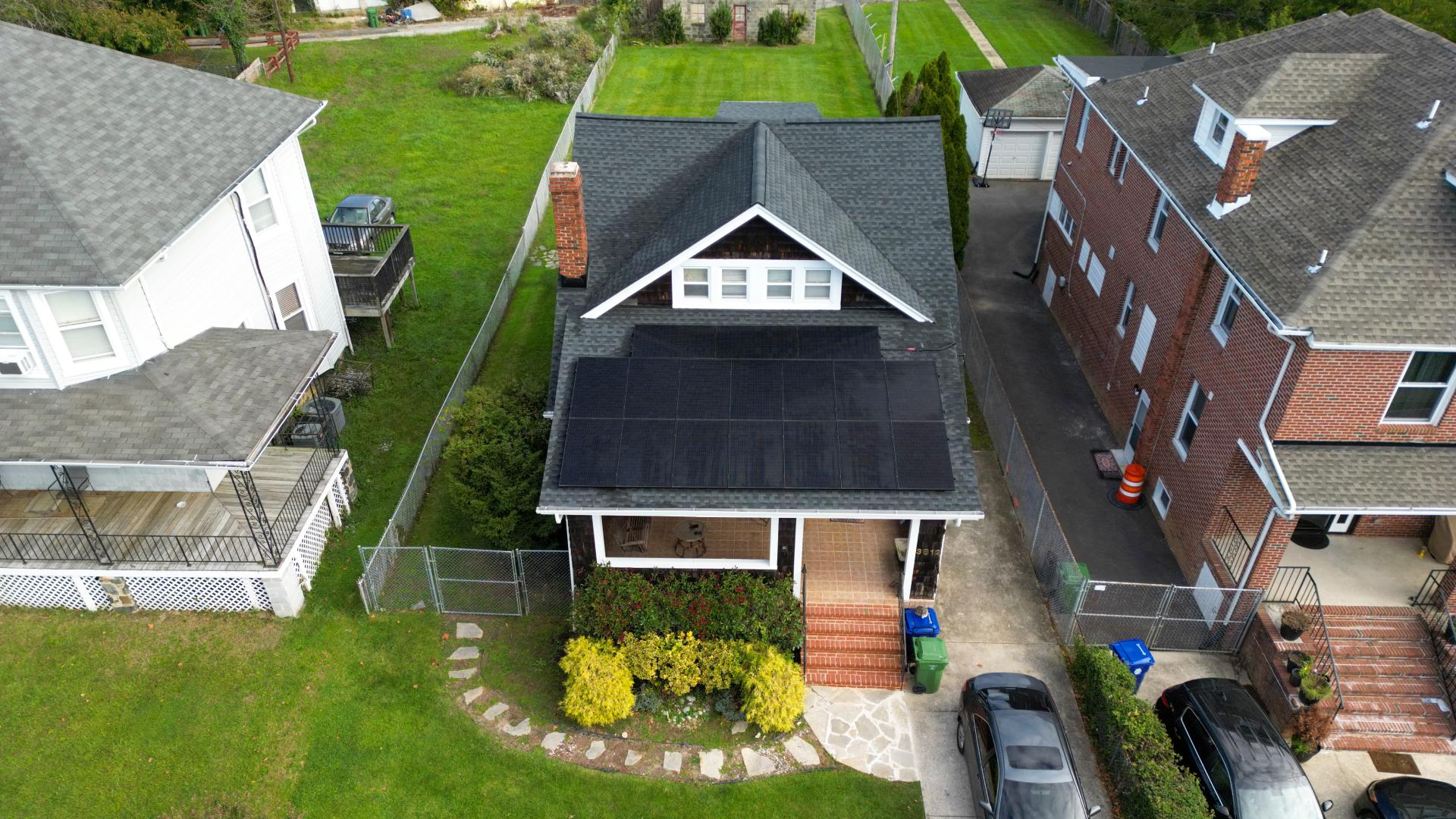
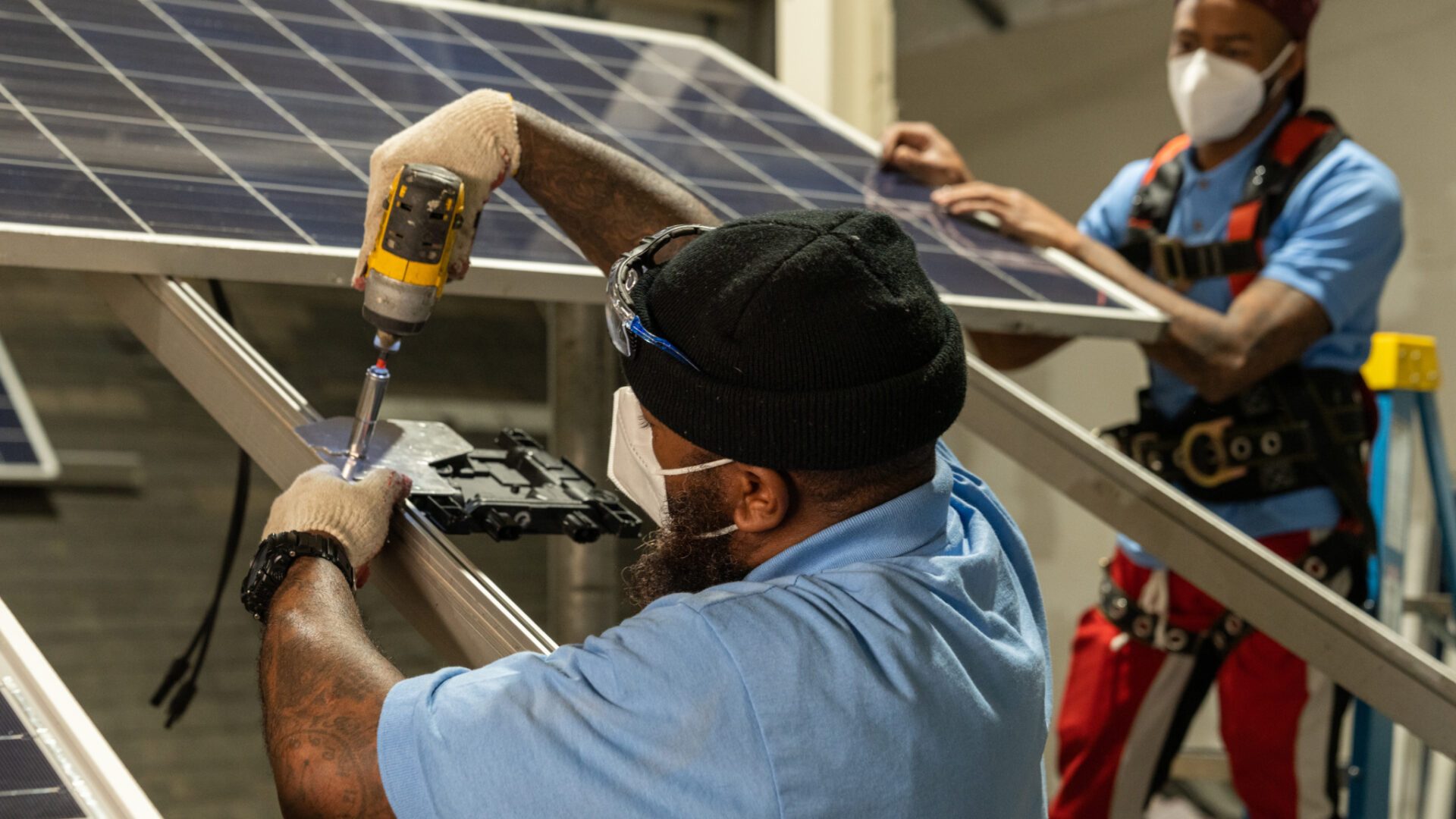
solar powered
Not verified by Bhumi. This farm's practices have not been independently verified. Product claims are based on publicly available information and have not been confirmed.
About Real Food Farm
The Clifton Mansion was originally built in 1802 as a Georgian style stone mansion, by Baltimore merchant Henry Thompson, who served as Captain of the First Baltimore Horse Artillery in the War of 1812. The building was later purchased by philanthropist Johns Hopkins, who transformed the mansion into a Victorian era Italianate villa that served as his summer estate. Clifton Mansion features an eighty-foot tower with a commanding view of Baltimore and an extensive porch arcade which wraps around three sides of the building. There is an entrance hall featuring a black walnut grand staircase, marble floor, intricate plasterwork, and ornate hand painted ceilings and walls, featuring a mural of theBay of Naples. The City of Baltimore purchased Clifton Mansion and its grounds in 1895 from Johns Hopkins University. It has been put to many uses ever since, including a headquarters for the Department of Recreation and Parks, and the clubhouse for the Clifton Park Golf Course. Although the Clifton Mansion fell into disrepair during its years of transition, the building is being carefully restored by Civic Works and the Friends of Clifton Mansion. Clifton Mansion has a history of enslavement. Henry Thompson both hired and owned enslaved people. We know of at least nine people who were enslaved by Thompson at Clifton Mansion. Unfortunately, we know little about them besides their first names: Bill, Sal, Essex, Hariett, Maria, Hariott and her two children and Bill. Henry Thompson was also involved in the local system of enslavement by trafficking enslaved people. Census records indicate that there were four enslaved people present at Clifton Mansion in 1850 during the time Johns Hopkins owned the building. We do not know their names or who enslaved them, only that they were men ages 18, 25, 45 and 50. This is an area of ongoing research by historians. Civic Works stabilized and modernized the Clifton Mansion in 2018, achieving LEED Bronze certification. The Friends of Clifton Mansionhas restored the building’s Grand Staircase, Tower and Hopkins-era Dining Room. Restoration of the Clifton Mansion’s Salon, Library and Main Hallway is underway and will be completed in 2025. The Clifton Mansion is a thriving event space that can be rented for meetings, parties, weddings and other events. You can contact us atnlee@civicworks.comfor more information. Baltimore Heritage hosts monthly tours of The Clifton Mansion. You can visit their website to sign up for a tour of the Clifton Mansion and other local historic sites. Enter your email address below to get notified about important news and upcoming events.