Diversified Family Farm since 1968
Local Dairy Farm | Pelzer, South Carolina
Not verified by Bhumi. This farm's practices have not been independently verified. Product claims are based on publicly available information and have not been confirmed.
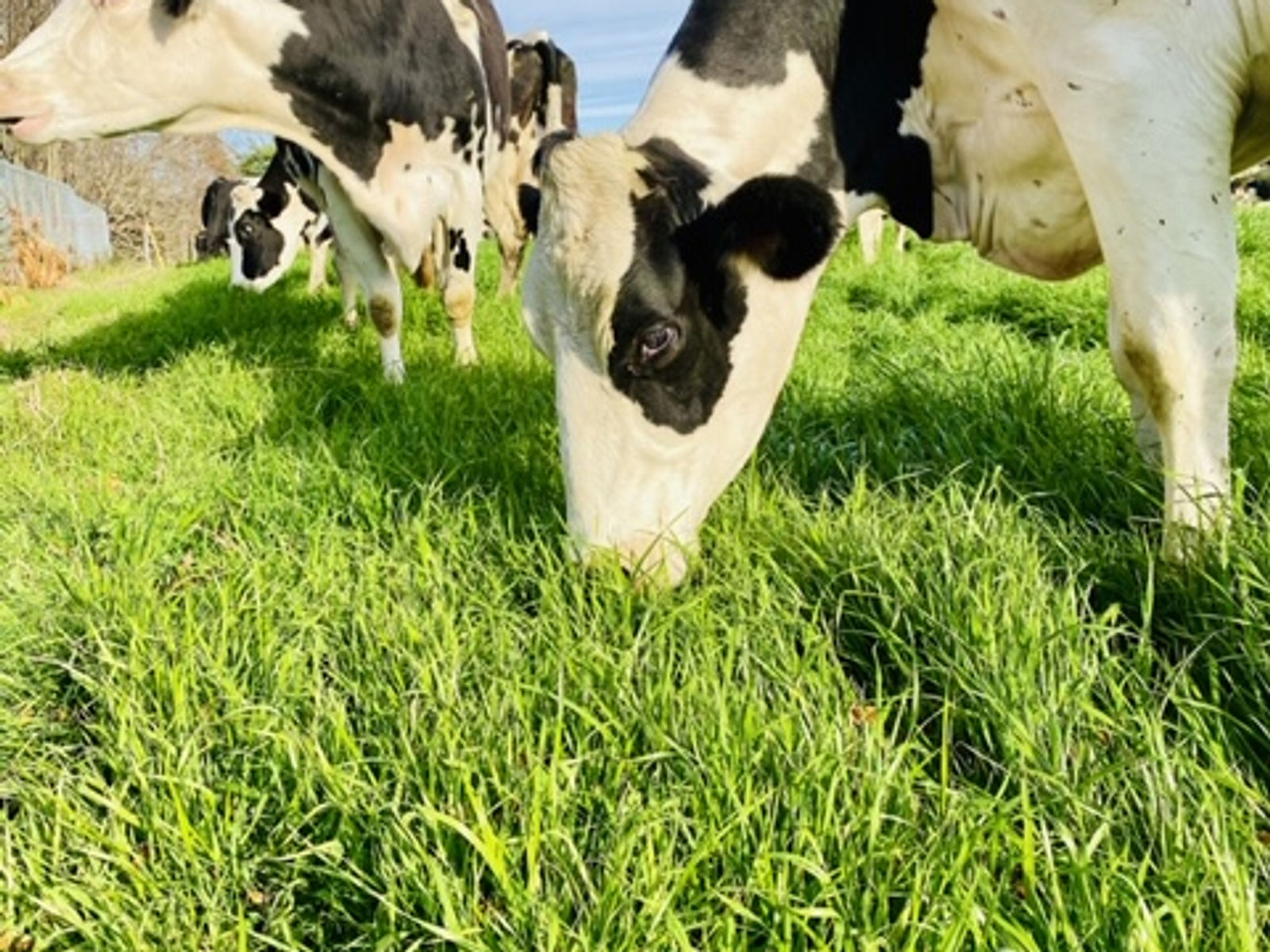
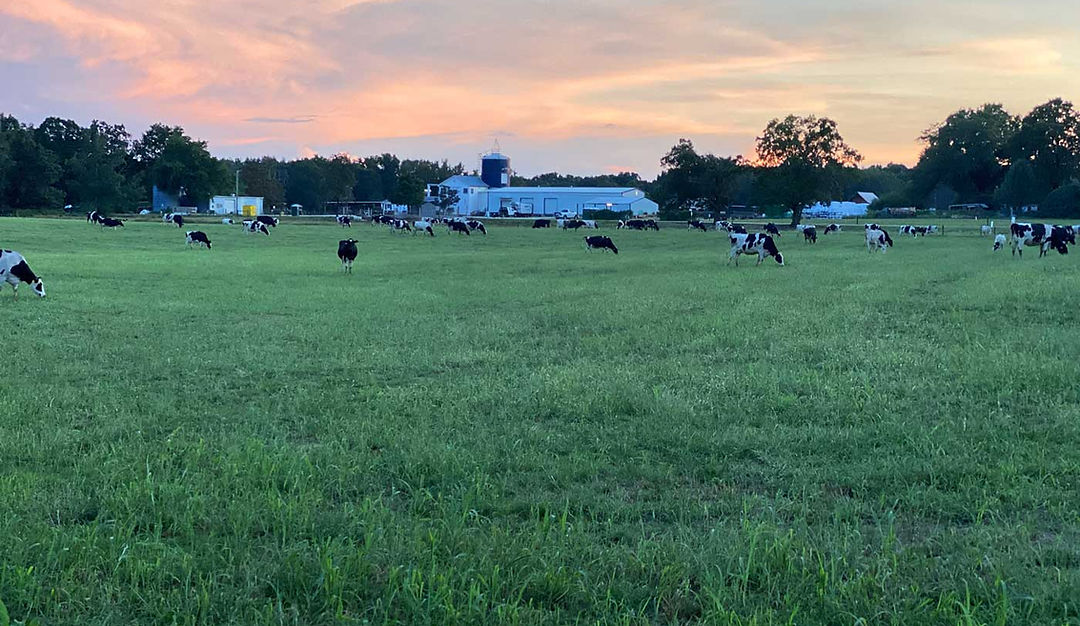
"So I have come down to deliver them... to a land flowing with milk and honey..." Keeping cows – and customers – happy Happy Cow Creamery sees rapid growth; looks to expand By Leigh Savage – Community Editor – The Greenville Journal There is a place on Greenville County’s south side where the fields are green and lush, the milk is fresh, and the cows are always happy. The place is Happy Cow Creamery, which sells fresh milk, cheese and other products from a little shop set up on Tom Trantham’s100-acre farm just below Ware Place. Folks from all over the Upstate – and far beyond – travel down U.S. 25 S. to chat with Trantham and his staff, learn about his unique farming style, and taste his pure, chemical-free products. He says word-of-mouth has led to a solid year of growth. “You can’t even get into the store on Saturday,” he says. “You have to wait on people to come out.” From October 2002 to October 2003, sales at the creamery increased 307 percent, Trantham says. To answer the growing demand of customers, Trantham and his son, have placed their products in “Garner’s Natural Market” and “Cafe and Earth Fare” both in Greenville. While the shop has only been around [in recent years], Trantham has been a farmer for much longer – since 1968. He started out as a grocer, and found success in that field, but says he “dreaded for the clock to go off in the morning.” He then found his niche in farming, buying his first farm in North Carolina in 1968 and purchasing the Greenville County farm in 1978. But the cows weren’t as happy back then. “That was traditional farming,” he says. “I was one of the top users of chemicals. I thought that’s what farming was, using chemicals.” He would spray to kill weeds, plant his crops and use fertilizers to help them grow. Then he would mow them down, put the grain in the silo, and allow the cows to feed. The cows were confined on cement, and weren’t allowed to graze. But then one fateful day in April, the cows decided to take matters into their own hands. It just so happened that Trantham was on the verge of bankruptcy, and the bank was about to foreclose on his farm, when the cows decided to jump the fence that enclosed them. Trantham had been waiting on a loan to purchase chemicals for the field adjacent to the cow pen, but he hadn’t gotten the money yet, so the weeds grew unabated. To the the cows, it wasn’t useless weeds – it was the perfect meal. “When my cows broke out and went over into that field, I was disgusted,” Trantham says. “I could have killed them, because I was about to be foreclosed on.” But after getting them back in their designated area and milking them, he realized that their milk production had risen sharply. By the third milking, production was up two pounds per day per cow. “I was already the top producer in the state, so I thought, where are these two pounds coming from?” He let the cows out again to watch them graze, and saw that they followed a pattern that he didn’t expect. “Here’s this big 1,400-pound cow, and she’s standing there in the lush April growth, and she just takes the top half of the plants, and then moves on,” he says. “I said, ‘Whoa, cow!” Farmers typically mow grain close to the ground and use all of the plant for the animals’ feed. But when his cows ate just the top half of plants such as alfalfa, oats and rye, milk production continued to go up, soon rising by five pounds per cow per day. After testing the plants for nutritional value, he found that the vast majority of nutrients for the cows were in the top half. “No one had ever discovered it,” he says. That was in 1987. He now has 29 individual paddocks of about 2.5 to 3.5 acres, and each feeds his approximately 82 cows for a day. The cows are free to graze just the top, nutritious half of the plants in the paddock, and then they move on to the next paddock the following day. By the time they complete the 29-day cycle, the first paddock has regrown. He also stopped using any
Products Products Why Choose Happy Cow Dairy Products Where to Find Our Products Recipes Why Choose Happy Cow Dairy Products Where to Find Our Products Tours Tours Large Group Tours Small Group Tours About Us About Us Why Choose Happy Cow Dairy Products12 Aprils Program Have You Herd? "So I have come down to deliver them... to a land flowing with milk and honey..." Keeping cows – and customers – happy Happy Cow Creamery sees rapid growth; looks to expand By Leigh Savage – Community Editor – The Greenville Journal There is a place on Greenville County’s south side where the fields are green and lush, the milk is fresh, and the cows are always happy. The place is Happy Cow Creamery, which sells fresh milk, cheese and other products from a little shop set up on Tom Trantham’s100-acre farm just below Ware Place. Folks from all over the Upstate – and far beyond – travel down U.S. 25 S. to chat with Trantham and his staff, learn about his unique farming style, and taste his pure, chemical-free products. He says word-of-mouth has led to a solid year of growth. “You can’t even get into the store on Saturday,” he says. “You have to wait on people to come out.” From October 2002 to October 2003, sales at the creamery increased 307 percent, Trantham says. To answer the growing demand of customers, Trantham and his son, have placed their products in “Garner’s Natural Market” and “Cafe and Earth Fare” both in Greenville. While the shop has only been around [in recent years], Trantham has been a farmer for much longer – since 1968. He started out as a grocer, and found success in that field, but says he “dreaded for the clock to go off in the morning.” He then found his niche in farming, buying his first farm in North Carolina in 1968 and purchasing the Greenville County farm in 1978. But the cows weren’t as happy back then. “That was traditional farming,” he says. “I was one of the top users of chemicals. I thought that’s what farming was, using chemicals.” He would spray to kill weeds, plant his crops and use fertilizers to help them grow. Then he would mow them down, put the grain in the silo, and allow the cows to feed. The cows were confined on cement, and weren’t allowed to graze. But then one fateful day in April, the cows decided to take matters into their own hands. It just so happened that Trantham was on the verge of bankruptcy, and the bank was about to foreclose on his farm, when the cows decided to jump the fence that enclosed them. Trantham had been waiting on a loan to purchase chemicals for the field adjacent to the cow pen, but he hadn’t gotten the money yet, so the weeds grew unabated. To the the cows, it wasn’t useless weeds – it was the perfect meal. “When my cows broke out and went over into that field, I was disgusted,” Trantham says. “I could have killed them, because I was about to be foreclosed on.” But after getting them back in their designated area and milking them, he realized that their milk production had risen sharply. By the third milking, production was up two pounds per day per cow. “I was already the top producer in the state, so I thought, where are these two pounds coming from?” He let the cows out again to watch them graze, and saw that they followed a pattern that he didn’t expect. “Here’s this big 1,400-pound cow, and she’s standing there in the lush April growth, and she just takes the top half of the plants, and then moves on,” he says. “I said, ‘Whoa, cow!” Farmers typically mow grain close to the ground and use all of the plant for the animals’ feed. But when his cows ate just the top half of plants such as alfalfa, oats and rye, milk production continued to go up, soon rising by five pounds per cow per day. After testing the plants for nutritional value, he found that the vast majority of nutrients for the cows were in the top half. “No one had ever discovered it,” he says. That was in 1987. He now has 29 individual paddocks of about 2.
Meet lactose intolerant
Farm Owner · Since 1968
Cattle
wagyu