Dark Hollow Farm and Ranch
Self-Reported5(3)Farm
Diversified Family Farm since 2022
Dark Hollow Farm And Ranch | Markham
Certified Naturally Grown
Diversified Family Farm since 2022
Dark Hollow Farm And Ranch | Markham
Self-reported practices. This farm has provided information about their practices, but they have not yet been independently verified by Bhumi.
Dark Hollow Farm LLC is a local farm in Markham, Virginia.
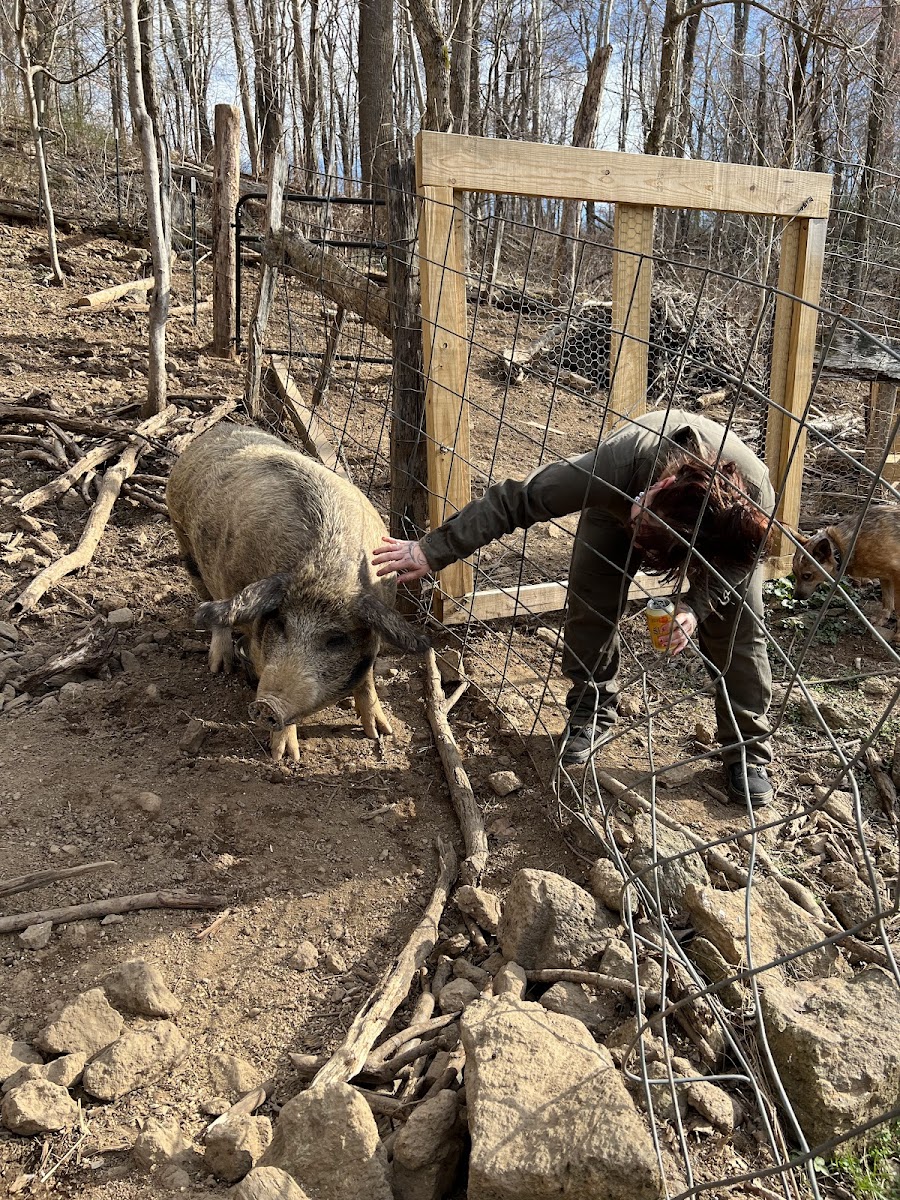
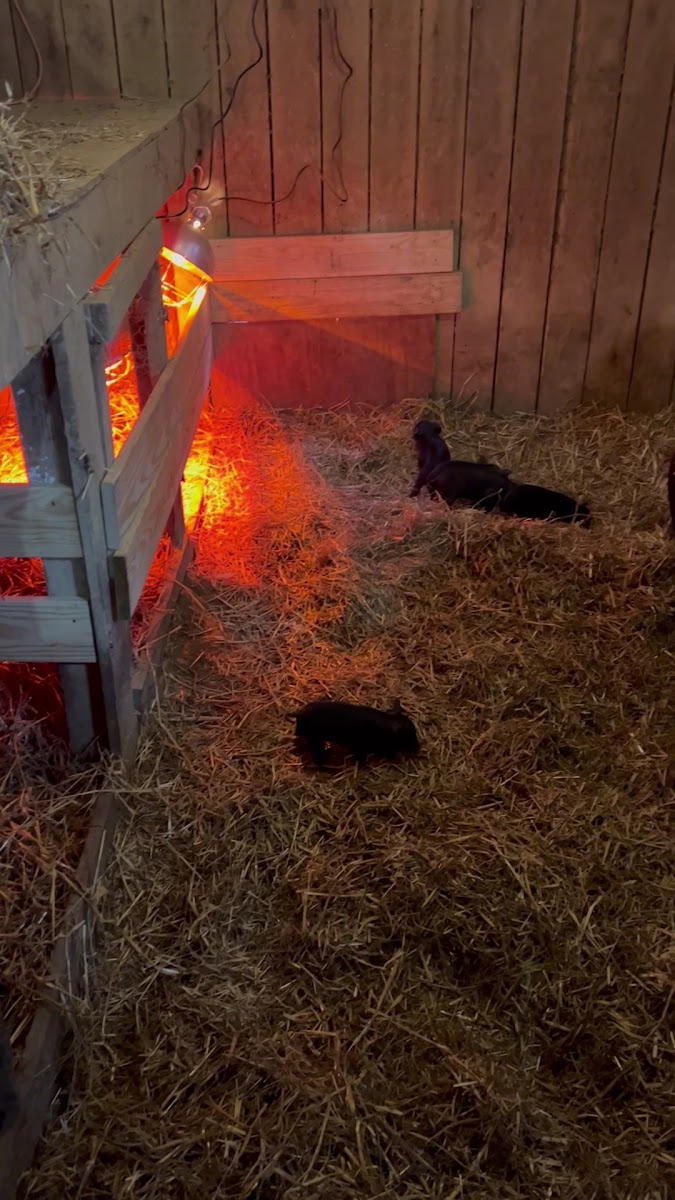
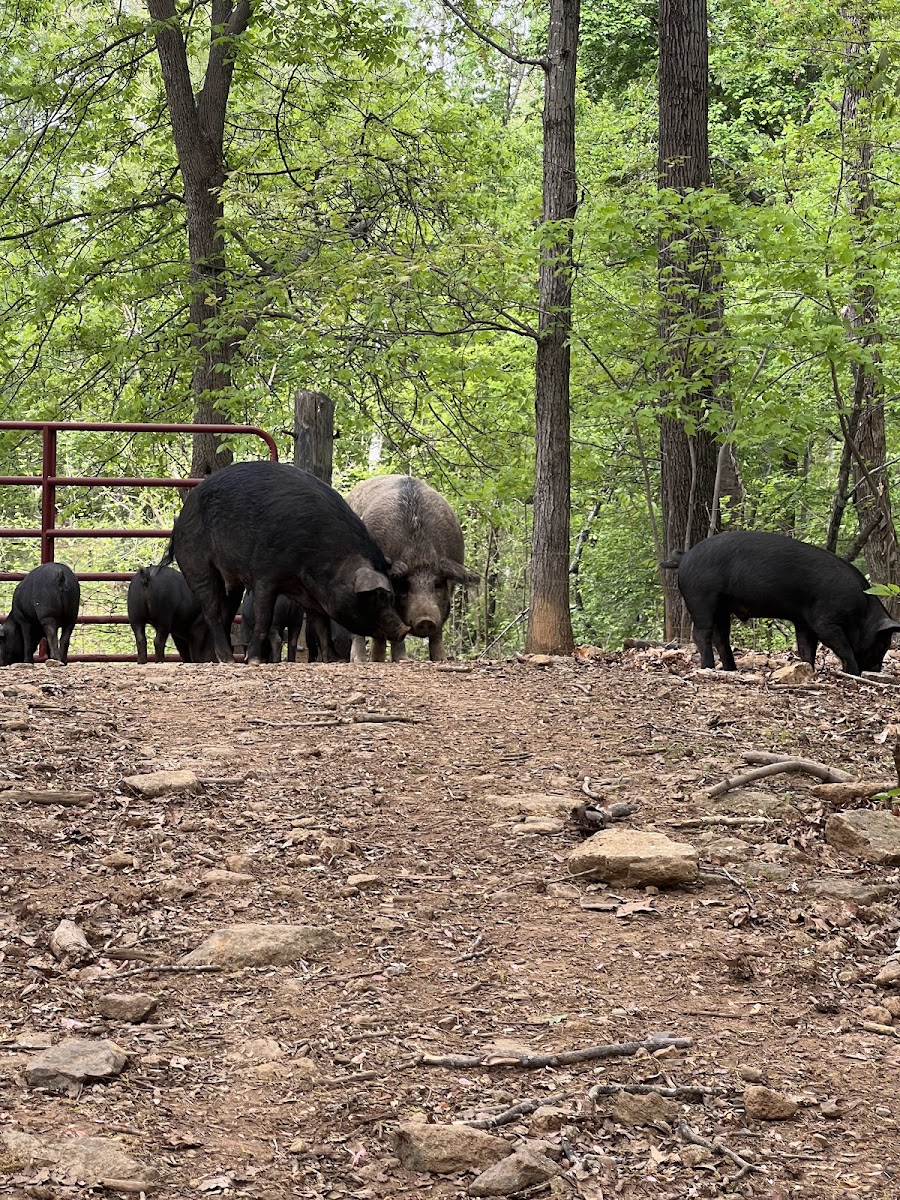
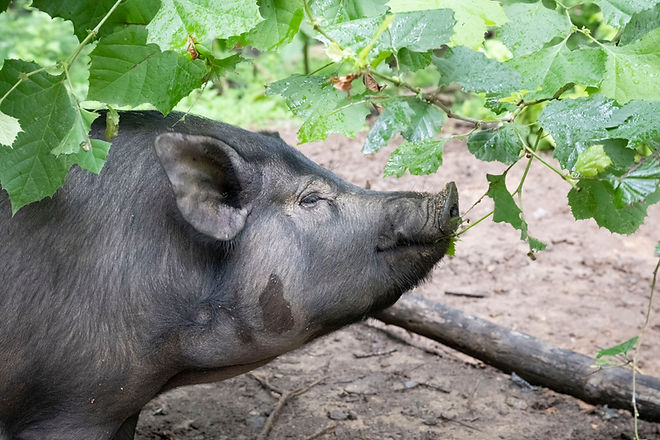
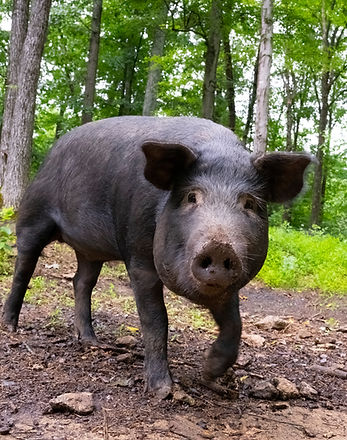
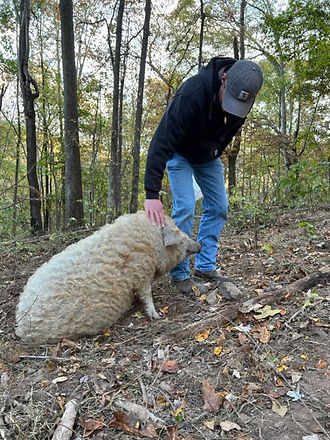
Dark Hollow Farm and Ranch Like all parents think they have the prettiest babies, we think we have the best hogs. And I get the chance to brag about them here, so I'm going to tell you why they're so special. Commercialization of our food industry in America has caused it to lose its flavor. Putting aside the fact that commercially raised pigs are raised in indoor facilities and rarely, if ever, see the light of day, the product tastes like it as well. The input costs are decreased, the time to raise to completion is decreased, and the flavor subsequently is decreased. Food becomes a formula and the formula becomes what we're putting in our bodies. Heritage breeds solve all of these problems. They are able to forage the way pigs are supposed to do. So the pigs spend their lives in fields and the outdoors, foraging on nuts and berries and roots and grub and all the things that make pigs happy. The meat then is red and succulent and compared to Kobe or Wagyu beef. If you're not a foodie, don't waste your money on it, but if you are, don't waste your money on the pink pig stuff. Just like there is quality in clothes, and cars, there is quality in food - and we are so proud to be offering the quality product. Everyone will tell you their meat is antibiotic free, it has to be. Of course ours is antibiotic-free, growth-hormone free, cruelty free, vegetarian fed, and so on and so forth. We won't waste our time on that (but if you have questions - ask, Jean-Marc can talk ad nauseum about it). What I'll tell you is that we did notnickeland dime input costs for these happy hogs. They lived their lives the way anyone would want an animal to be treated, much less one that you're going to consume. From Day 1, they've been fed premium food twice a day, and allowed to forage and roam the woods 24 hours a day, 7 days a week. During a power outage in 2022, I had to talk him out of buying Dasani filtered water for them - convincing him instead that the stream water was sufficient until the power was restored. So what does this mean in terms of cost to the consumer? In general, heritage breed pork tends to cost about 20% more than your regular commercially store-bought pork (though chefs will tell you when it cooks down, the yield is greater as well), and we are constantly surveying local farm prices to stay competitive. You might find pork products at the store on a weekly special for less, but in general, our individual by-the-pound prices are on par with grocery store prices. Our goal is simply to give Jean-Marc something to do, and otherwise break even raising food that tastes the way food should taste, and animals the way animals should be treated. Now, more about our specific breeds of hogs. We raise two types. Mulefoots (the black ones with feet that look like ballerina shoes) and Mangalista (also known as Mangalitsa or Mangalitza). I'll tell you more about each below. Mulefoots are one of six known Heritage breeds imported into America, along with Choctaw, Iberico, Guinea Hog, Red Wattle and Hereford. The Mulefoot is the most rare of American swine breeds. Because of its endangered status, historical value, and superior flavor, conservation is essential. And farming this breed is essential to conservation. Mulefoot are a breed of domestic pig which is named for its intact, uncloven hooves reminiscent of a mule. These pigs are typically black, and typically reach a weight of 400 to 600 pounds. The breed thrives when raised on pasture (as opposed to in confined feed lots), and has retained the ability to forage for food. The Mulefoot likely originated with swine brought to the Gulf Coast by the Spanish, but started falling out of fashion after World War II, with the rise of commercial agriculture operations that favored a few fast-growing breeds suited to confinement. Missouri farmer R.M. Holliday saved the breed from near-extinction in 1964, when he gathered the few remaining mulefoot hogs in the U.S. and established a conserv
Meet going to
Farm Owner · Since 2022
Cattle
Cattle: Wagyu, Pig: Hereford
Pigs
Pig: Mangalitsa, Pig: Mulefoot, Pig: Red Wattle, Mulefoot hogs, Mangalitsa hogs
Loading reviews...
Practices
Farm since 2022