


HoneyGardenDairyOther MeatsPreserves & PantryProduce
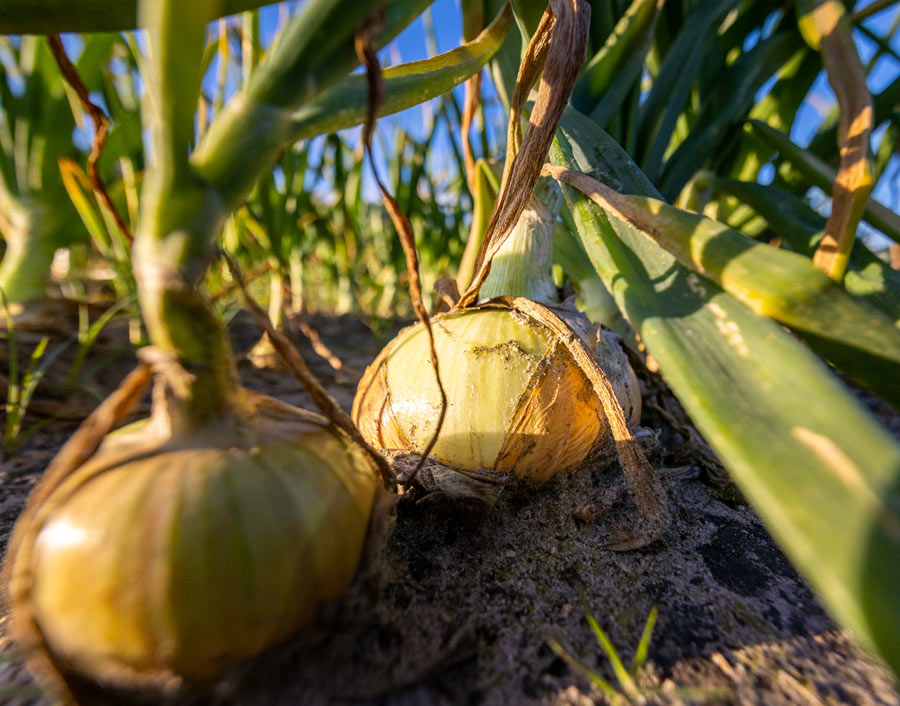
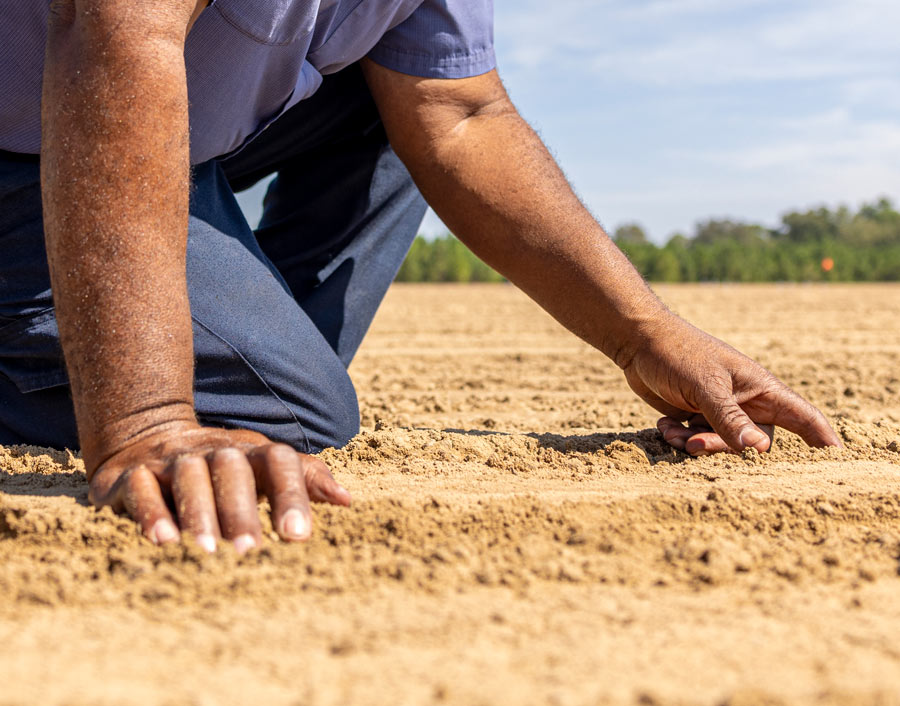
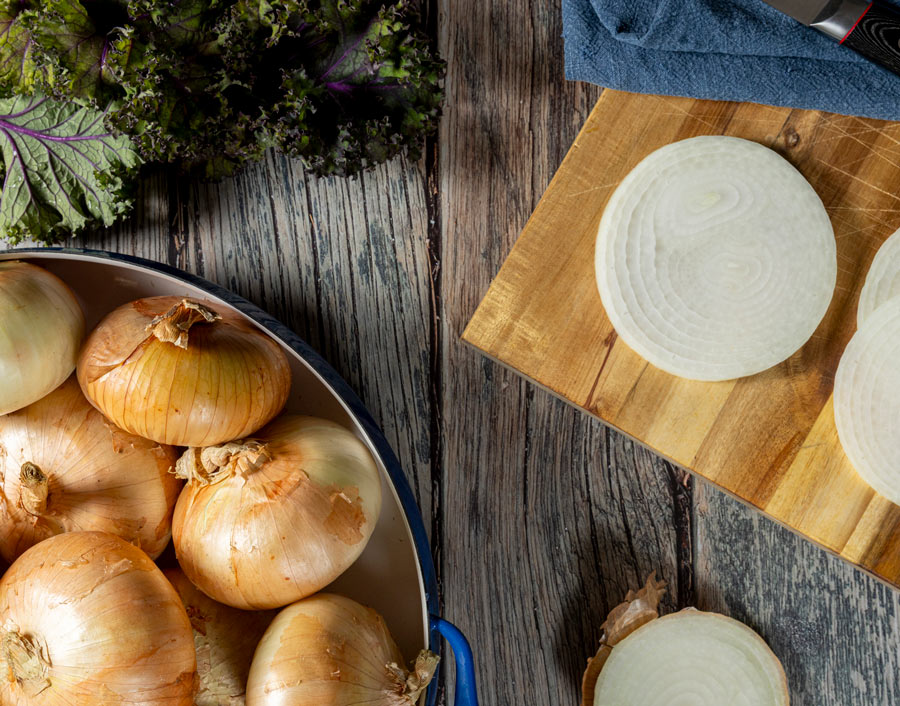
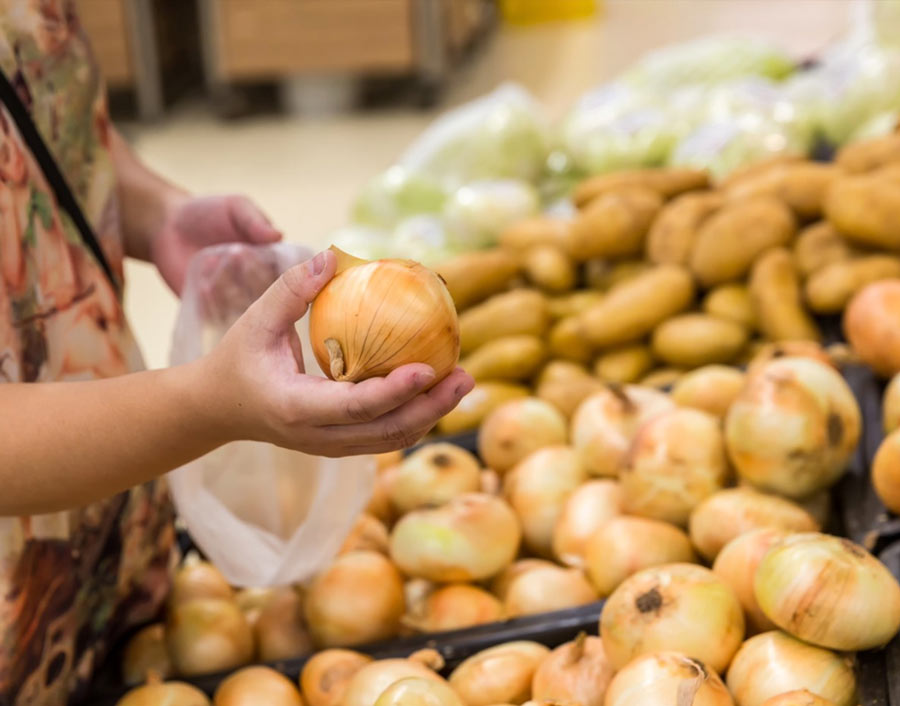
Beneath the sun-soaked soil of Southeast Georgia, something extraordinary took root. What started as a simple crop grew into one of the most beloved ingredients in kitchens across the country. Known for its sweetness, its story is just as rich. During the Great Depression, farmers had high hopes of onions being new cash crop. Imagine their surprise when what grew was not an instant money-maker but a strange new, sweet tasting onion. The state built a farmers’ market central to Macon, Augusta and Savannah. Word of “those sweet onions from Vidalia” began to spread throughout the state, and a name was born. Vidalia® onions began showing up in Piggly Wiggly and A&M stores across the region. Acreage grew steadily over the next twenty years. Distribution expanded and so did name recognition. The first Vidalia®onion festival was held in Vidalia, GA. The Vidalia®Onion Act was passed, protecting the name and region. No longer just a “southern thing,” Vidalias are now sold in 50 states and most of Canada. Vidalias®can only be grown in 20 counties outlined by the Vidalia®Onion Act of 1986. The unique combination of sandy soil, low sulfur, and Georgia sunshine creates the unmistakably sweet flavor that can’t be found anywhere else. From recipe inspiration to farmer stories and updates from the field — we’ll keep you in the know and in the kitchen. 100 Vidalia Sweet Onion Drive,Vidalia, GA 30474(912) 537-1918 100 Vidalia Sweet Onion Drive,Vidalia, GA 30474(912) 537-1918
In the mid-1980s, Georgia farmers recognized the unique sweetness of the Vidalia® onion, a result of a rare combination of soil, water, and climate in a small South Georgia region. To protect, promote, and preserve this special crop, the Vidalia® Onion Committee was formed in 1989.
Meet null
Farm Owner · Since 1989
Every practice listed here means something specific. Tap any practice to learn what it requires and why it matters.
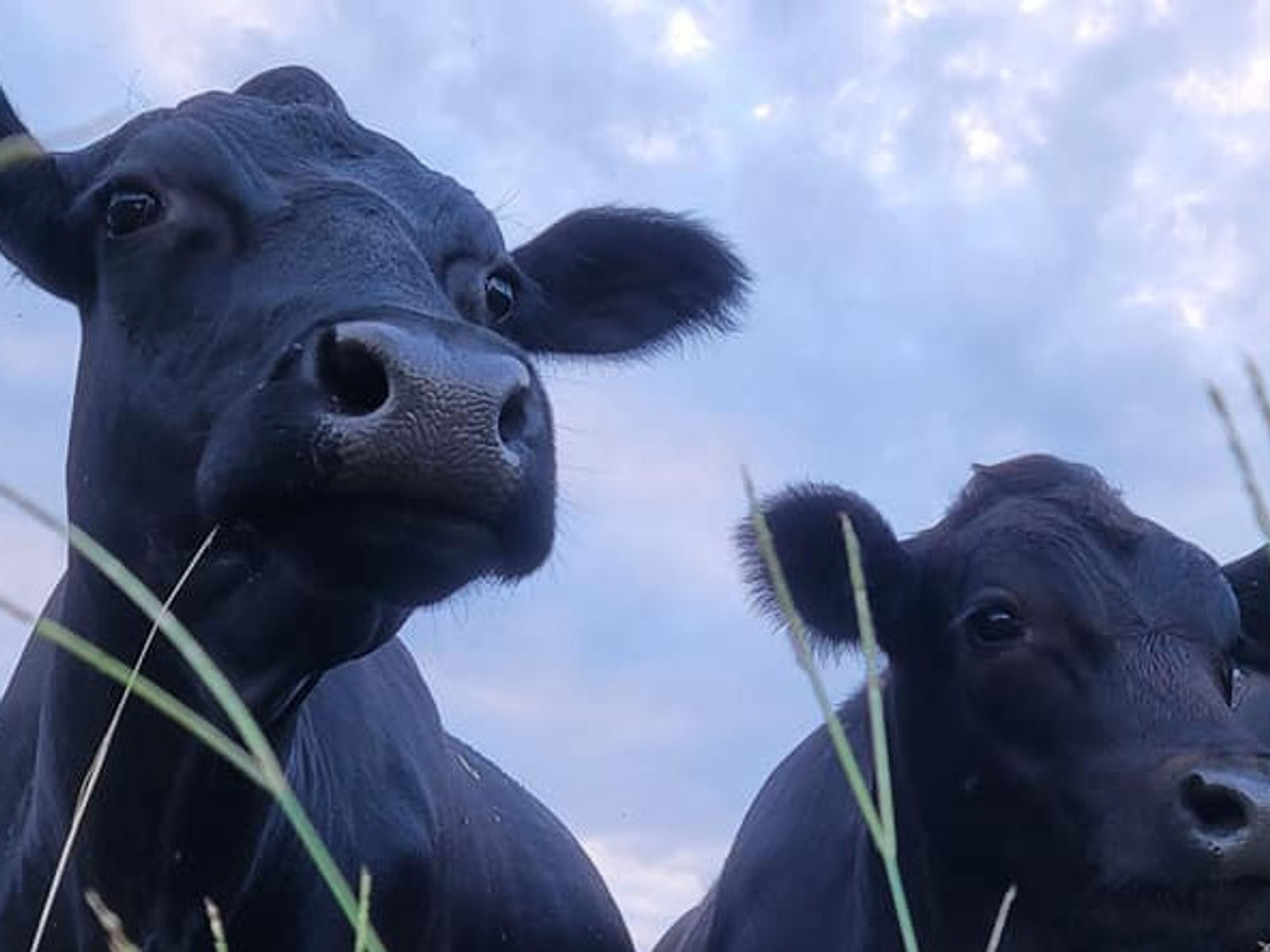
Dairy
Not verified by Bhumi. This farm's practices have not been independently verified. Product claims (grass-fed, pasture-raised, organic, etc.) are based on publicly available information and have not been confirmed.