





Watson Farms Pastured Meats
Self-ReportedFarm Stand
Diversified Family Farm
PASTURED CHICKEN
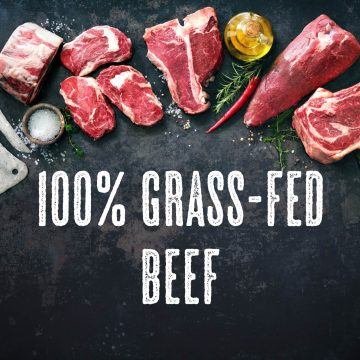
100% Grass-Fed
Certified Naturally Grown
Free-Range
Diversified Family Farm
PASTURED CHICKEN
Cattle
Cattle: Bison
Markets & Stores
Farm Store
Our Roots: From the Midwest to the Piedmont Farming isn’t just a business for us; it’s a multi-generational legacy. Our story began in southern Indiana, where my grandparents, Jim and Anna, and my father, Gary, raised beef cattle, hogs, and corn, and other row crops. They even ran a local meat shop—a foreshadowing of the direct-to-consumer path we would eventually return to. In 1979, the family moved the operation to Chester County, South Carolina. For years, we followed the “bigger is better” model of conventional agriculture. Under the name Watson Grain, Inc., we managed 1,200 acres of cropland. However, the mid-80s brought droughts and financial crises that proved just how unstable row-cropping could be. Seeking a more predictable path, my dad transitioned into raising turkeys for a large integrator in 1996. The Turning Point: Choosing Sustainability By 2007, after decades of seeing the “inside” of conventional production, we knew there was a better way—for the land, the animals, and our family. We began the slow, intentional transition to sustainable, regenerative farming. This shift wasn’t just about philosophy; it was about survival. It allowed our family to stay on the land rather than seeking outside jobs. My wife, Kelly, joined the farm full-time in 2012, and we’ve since been blessed with our daughter, Abby (2013), and our son, Noah (2016). They are the “why” behind every fence we build and every pasture rotation we perform. The year2020marked a massive milestone: we officially terminated our contract with the turkey integrator. Today, every animal at Watson Farms is raised where they belong—on high-quality pasture. We’ve traded the industrial barns for fresh air and sunshine. This transition hasn’t been easy—it required miles of water lines, new fencing, and a complete shift in how we think about the soil. But seeing our100% grass-fed and grass-finished beef,pastured pork, andpastured chickenenterprises thrive because of customers like you makes every bit of effort worth it. To ensure this land stays a farm forever, we recently placed our 350 acres into apermanent conservation easement. We aren’t just farming for today; we’re preserving this Piedmont soil for generations to come. Whether you’ve been with us since the beginning or you’re just now looking for a meat source you can trust, we are honored to serve you. Because of customers like you, we are able to ship our proteins via UPS directly to doorsteps across the eastern U.S. and welcome neighbors into our on-farm store. Thank you for being part of the Watson Farms story. Sincerely,Matt Watson & The Watson Farms Team Watson Farms of Lowrys, LLC713 Colony Road,Chester, SC 29706info@watsonfarmsbeef.com803-581-8926 Farm Store/Pickup Hours:Mon, Tues, Thurs, Fri: 10am – 6pm Saturday: 10am – 2pm Closed on Wednesdays and Sundays.
For several generations, agriculture has been a major part of life for our family. Originally from southern Indiana, my dad, Gary and my grandparents, Jim and Anna, moved to Chester County, S.C., in 1979. While in Indiana, they grew corn and other crops and raised beef cattle and hogs. The family also ran a meat shop where they sold their own beef. Once in South Carolina, my dad and grandad continued to grow corn, but on a larger scale, while maintaining several herds of cattle as well. At a point in the mid-1980s, under the name Watson Grain, Inc., our family had accumulated about 1,200 acres of cropland until drought and other crises forced a downsize. After row-cropping proved too unstable, my dad began raising turkeys in 1996. In April 2007, after experiencing first-hand for many years the conventional production methods, we began the transition from a conventional farm to a sustainable one. Not only was this transition begun because it is best for the land and animals but also because it is best for the farmer and the consumer. Specifically this transition has allowed my family and me to remain on the farm instead of being forced to seek outside income. My wife, Kelly, was able to start working for the farm in 2012. Our daughter, Abby, was born in 2013 and our son, Noah, in 2016. In 2020, our family terminated the contract with the turkey integrator, and all of our animals are now raised on pasture. This was a long-awaited event in our transition plans and the future, although uncertain at times, is bright because of customers like you who see the importance of supporting local, pasture-based farmers. Transitions like these can be slow, but it is worth the wait. Ponds and fences have to be built. Water lines have to be buried for cattle drinking water. Loans have to be paid off. These things take time, but there are many things we have been able to implement in shorter time periods. We now rotate our cows roughly every couple days instead of continuously grazing. We grass-finish and direct-market all of our cattle instead of marketing some through conventional channels. We also direct-market eggs from about 2700 laying hens, meat from about 5000 chickens, and pork from about 70 hogs per year. Each time you buy Watson Farms Pastured Meats you have the opportunity to help us further our transition to a more sustainable farm and keep another generation on the family farm. If you are already a customer, we want to say thank you for being partners in this endeavor of local, pasture-raised proteins that has truly transformed our farm. We look forward to continuing this transition while serving you long into the future. If you’re not yet a customer, we invite you to allow us to serve you with local, pasture-raised proteins that you can feel confident in feeding your family with. Sincerely,Matt Watson and the Watson Farms Team
Meet Kelly Watson
Farm Stand Owner
Every practice listed here means something specific. Tap any practice to learn what it requires and why it matters.
Beef
Dairy
General Practices
Pork
Poultry & Eggs
Self-reported practices. This farm has provided information about their practices, but they have not yet been independently verified by Bhumi.
Practices
raw/unpasteurized, rotational grazing
Farm Stand