



Aubrey Oaks Alpacas
Unverified5(61)Farm
Diversified Family Farm
Aubrey Oaks Alpacas — Alpacas for Sale-Textiles-Education
Farming since 2008
Free-Range
Diversified Family Farm
Aubrey Oaks Alpacas — Alpacas for Sale-Textiles-Education
Aubrey Oaks Alpacas offers these unique, hard-to-find products with deep expertise and sourcing.
Alpaca colostrum from an award-winning Texas alpaca ranch — an extremely rare camelid first milk with unique immune properties.
Other
Alpacas
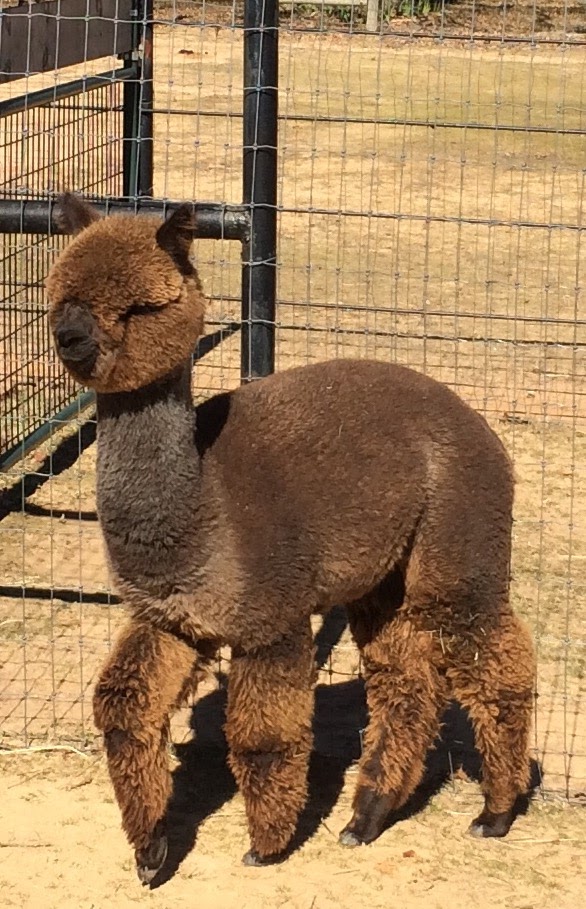
A:Ask any Alpaca rancher and they will tell you the same thing: “There’s something magical about these creatures.” Couple that with the knowledge that Alpaca breeding can be a very lucrative business, appealing to people of all ages and from all walks of life, is it any wonder that the popularity of Alpaca ranching has seen a dramatic increase in the past decade? Q: How are Alpacas different from Llamas? A:Even though they are both from the camel family,i.e., “camelids,” they have certain differences, The Alpaca’s overall height are shorter than that of a Llama; and an Alpaca’s ears don’t make that banana-shaped curve in toward the middle like a Llama’s does. Alpacas tend to be more of a herd animal, whereas Llamas can be a little more solitary. Since Llamas are larger, they can defend themselves better against coyotes and dogs, so sometimes they are used as guard animals with Alpacas. Llamas are used primarily in South America as pack animals, while Alpacas are raised everywhere for their fleece, which leads to the next question… Q: What are these animals raised for? Do they taste like chicken? Are they expensive? A:Alright, we know that’s three questions, but they are all related. Alpacas are raised for theirfabulousfleece, which is very much like cashmere—a fiber obtained from Cashmere and other types of goats. Alpaca fleece is hypoallergenic and comes in 18 different natural colors. It is used to make things like sweaters, jackets, gloves, baby booties, baby blankets, pillows, throws, rugs and even teddy bears and other toys or gift items! Many Alpaca owners sell their animals along with their raw fiber and finished goods—like Aubrey Oaks Alpacas does. These sales can generate nice receipts to provide an ongoing income stream. The fact that the registry of Alpacas in North American (through A.R.I.) has been closed since 1998 makes them more valuable to both ranchers and prospective owners alike. But, as with any commodity, prices are affected by our economy in general. For the most part, as our nation’s economy has faltered through the end of this last decade and the beginning of the current one, prices of Alpacas have become more affordable. (But please, don’t consider buying one from the sale barn or from an uninvestigated source!) One of the reasons that we have chosen to raise Alpacas is that right now, here in the U.S., they generally are not eaten. You would have to travel to Peru, Argentina, Bolivia or Chile to find out how one would taste. A:They are not dangerousifyou use wisdom in handling them. They do not have sharp front teeth, horns, or claws that would make them dangerous. The only thing that theycando is kick with their hind legs, buy they don’t kick hard enough to cause any severe damage—although bruises can happen. Knowing which ones are prone to kick and not providing them the opportunity to kick you is key. Alpacas eyes are on the side of their head so they can’t see anything directly behind or in front of them. Because of this, Alpacas may become frightened and kick when approached from behind.) Most mature males will always have razor sharp fighting teeth—but these are used against other males as they live up their name in their male-to-male herd dominance encounters. Sometimes you may see a male with a scissored ear, or even find that a male in the herd has been castrated by another male. This is rare as fighting teeth are to be kept trimmed by responsible owners. But Alpacas generally don’t hurt a human—unless you get your finger in the wrong place when trimming those teeth! (We use a dog chew to keep their mouths open as the occasion is needed, and then use tin snips to trim the points off the top of those teeth. There are power tools made specifically for fighting and front teeth trimming.) Q: How are Alpacas transported? A:For short distances, Alpacas can be transported in a mini-van, in the back of a regular size van, or even in the back seat of a pickup truck. As the
How are Alpacas different from Llamas? What are these animals raised for? Do they taste like chicken? Are they expensive? Are Alpacas dangerous? How are Alpacas transported? Are there different kinds of Alpacas? How much land does it take to raise Alpacas? How easy is it to care for Alpacas? What type of food do Alpacas eat? What is the life expectancy of an Alpaca? How long is their gestation? Can I pet them?(Our most often asked question…) How can I learn more about them? A:Ask any Alpaca rancher and they will tell you the same thing: “There’s something magical about these creatures.” Couple that with the knowledge that Alpaca breeding can be a very lucrative business, appealing to people of all ages and from all walks of life, is it any wonder that the popularity of Alpaca ranching has seen a dramatic increase in the past decade? Q: How are Alpacas different from Llamas? A:Even though they are both from the camel family,i.e., “camelids,” they have certain differences, The Alpaca’s overall height are shorter than that of a Llama; and an Alpaca’s ears don’t make that banana-shaped curve in toward the middle like a Llama’s does. Alpacas tend to be more of a herd animal, whereas Llamas can be a little more solitary. Since Llamas are larger, they can defend themselves better against coyotes and dogs, so sometimes they are used as guard animals with Alpacas. Llamas are used primarily in South America as pack animals, while Alpacas are raised everywhere for their fleece, which leads to the next question… Q: What are these animals raised for? Do they taste like chicken? Are they expensive? A:Alright, we know that’s three questions, but they are all related. Alpacas are raised for theirfabulousfleece, which is very much like cashmere—a fiber obtained from Cashmere and other types of goats. Alpaca fleece is hypoallergenic and comes in 18 different natural colors. It is used to make things like sweaters, jackets, gloves, baby booties, baby blankets, pillows, throws, rugs and even teddy bears and other toys or gift items! Many Alpaca owners sell their animals along with their raw fiber and finished goods—like Aubrey Oaks Alpacas does. These sales can generate nice receipts to provide an ongoing income stream. The fact that the registry of Alpacas in North American (through A.R.I.) has been closed since 1998 makes them more valuable to both ranchers and prospective owners alike. But, as with any commodity, prices are affected by our economy in general. For the most part, as our nation’s economy has faltered through the end of this last decade and the beginning of the current one, prices of Alpacas have become more affordable. (But please, don’t consider buying one from the sale barn or from an uninvestigated source!) One of the reasons that we have chosen to raise Alpacas is that right now, here in the U.S., they generally are not eaten. You would have to travel to Peru, Argentina, Bolivia or Chile to find out how one would taste. Q: Are Alpacas dangerous? A:They are not dangerousifyou use wisdom in handling them. They do not have sharp front teeth, horns, or claws that would make them dangerous. The only thing that theycando is kick with their hind legs, buy they don’t kick hard enough to cause any severe damage—although bruises can happen. Knowing which ones are prone to kick and not providing them the opportunity to kick you is key. Alpacas eyes are on the side of their head so they can’t see anything directly behind or in front of them. Because of this, Alpacas may become frightened and kick when approached from behind.) Most mature males will always have razor sharp fighting teeth—but these are used against other males as they live up their name in their male-to-male herd dominance encounters. Sometimes you may see a male with a scissored ear, or even find that a male in the herd has been castrated by another male. This is rare as fighting teeth are to be kept trimmed by responsible owners. But
Meet null
Farm Owner · Since 2008
Every practice listed here means something specific. Tap any practice to learn what it requires and why it matters.
Not verified by Bhumi. This farm's practices have not been independently verified. Product claims (grass-fed, pasture-raised, organic, etc.) are based on publicly available information and have not been confirmed.
Practices