Goods From The Woods - A Wild Crops Farm
UnverifiedFarmOnline Orders Only
Diversified Family Farm
Farming since 1998
Certified Naturally Grown
Organic
Diversified Family Farm
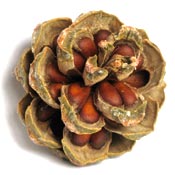
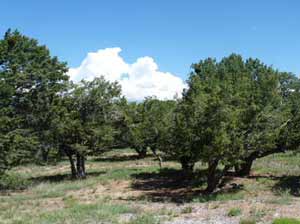
"Understand that the pine nut was to the people of the Great Basin what the buffalo was to the plains people."The nut is protein packed with all 20 amino acid and very high in concentration in 8 of the 9 amino acids necessary for growth. The nut was a staple in the diet of all the peoples of this region. It was a life-link food with gatherings celebrations, creation stories and teachings all accompanying the yearly harvest. For in excess of 10,000 years - that is neither a mistake or an exaggeration- native american people harvested the pinon. The Washo, the Shoshone, Paiutes, Hopi and their ancestors ate pinon nuts as a major, storable , multi -faceted food. Long before Euro-Americans entered the Great Basin, substantial numbers of people lived within the present boundaries of the Great Basin. Archaeological reconstruction suggest human habitation stretching back some 12,000 years. The earliest known inhabitants were members of what has been termed the Desert Archaic Culture-nomadic hunter-gatherers with developed basketry, flaked-stem stone tools, and implements of wood and bone. They inhabited the region between 10,000 BC and AD 400 These peoples moved in extended family units, hunting small game and gathering the periodically abundance. The Great Basin provided small game for the Northwestern bands, but of even greater importance were the grass seeds and plant roots which grew in abundance in the valleys and along the hillsides of northern Utah. There are probably one hundred different species of grass, in the Basin, that provide harvestable seeds. One could walk through the grass with a tray and a beating stick, emptying the tray into a burden basket, occasionally. Seeds could be stored without much treatment; eventually, they could be ground into flours. By far the most important seed to the Great Basin people was the pine nut, taken from the single-needle pinyon pine (pinus monophyllia) or the double-needle pinyon (pinus edulis); though this culture developed later in the archaic period. The pine nut is large and an excellent food source. It is, however, relatively difficult to harvest and requires a substantial group effort to do so. The pine nut harvest began in the late summer and lasted into the fall. It was essentially the last big food-gathering opportunity of the year Before retirement into winter lowland quarters. It occurred at intermediate elevations in arid upland hills where junipers and pinions tend to grow. It was a significant social occasion, and most Great Basin people held these regions to be sacred ground. Over the last two thousand years, the pine nut sustained these peoples. The pine nuts required substantial processing and, then, they could be stored for later use. and utilization of pine nuts required technological innovations. While nuts can easily be picked from the ground fallen cones of the pinyon pine (pinus monophyllia), they are rarely good for human consumption by that time and the crop has been substantially reduced by insects and small mammals. The pine nut came to be a useful staple food because only after the people learned how to harvest the nut prior to the final ripening stage of the cone. The technology for achieving a pine-nut harvest was messy and complex, and it was practiced communally. In fact, pine-nut harvest defined the great social time of the year, being the greatest gathering of the people in the concentrated areas of sacred lowland pinyon forest. People went to the forests in the early fall before the cones had fully ripened and dropped. They began with "first fruit" celebrations that confirmed the sacred significance of the food and established their respect for the forests. When harvest began, the men pulled cones from the trees using tools made from large willow branches equipped with a sturdy V-shaped hook at the end. Women and children piled the cones in burden baskets (usually large conical wicker baskets carried on one's back with a cordage band across the forehe
"Understand that the pine nut was to the people of the Great Basin what the buffalo was to the plains people."The nut is protein packed with all 20 amino acid and very high in concentration in 8 of the 9 amino acids necessary for growth. The nut was a staple in the diet of all the peoples of this region. It was a life-link food with gatherings celebrations, creation stories and teachings all accompanying the yearly harvest. For in excess of 10,000 years - that is neither a mistake or an exaggeration- native american people harvested the pinon. The Washo, the Shoshone, Paiutes, Hopi and their ancestors ate pinon nuts as a major, storable , multi -faceted food. Long before Euro-Americans entered the Great Basin, substantial numbers of people lived within the present boundaries of the Great Basin. Archaeological reconstruction suggest human habitation stretching back some 12,000 years. The earliest known inhabitants were members of what has been termed the Desert Archaic Culture-nomadic hunter-gatherers with developed basketry, flaked-stem stone tools, and implements of wood and bone. They inhabited the region between 10,000 BC and AD 400 These peoples moved in extended family units, hunting small game and gathering the periodically abundance. The Great Basin provided small game for the Northwestern bands, but of even greater importance were the grass seeds and plant roots which grew in abundance in the valleys and along the hillsides of northern Utah. There are probably one hundred different species of grass, in the Basin, that provide harvestable seeds. One could walk through the grass with a tray and a beating stick, emptying the tray into a burden basket, occasionally. Seeds could be stored without much treatment; eventually, they could be ground into flours. By far the most important seed to the Great Basin people was the pine nut, taken from the single-needle pinyon pine (pinus monophyllia) or the double-needle pinyon (pinus edulis); though this culture developed later in the archaic period. The pine nut is large and an excellent food source. It is, however, relatively difficult to harvest and requires a substantial group effort to do so. The pine nut harvest began in the late summer and lasted into the fall. It was essentially the last big food-gathering opportunity of the year Before retirement into winter lowland quarters. It occurred at intermediate elevations in arid upland hills where junipers and pinions tend to grow. It was a significant social occasion, and most Great Basin people held these regions to be sacred ground. Over the last two thousand years, the pine nut sustained these peoples. The pine nuts required substantial processing and, then, they could be stored for later use. and utilization of pine nuts required technological innovations. While nuts can easily be picked from the ground fallen cones of the pinyon pine (pinus monophyllia), they are rarely good for human consumption by that time and the crop has been substantially reduced by insects and small mammals. The pine nut came to be a useful staple food because only after the people learned how to harvest the nut prior to the final ripening stage of the cone. The technology for achieving a pine-nut harvest was messy and complex, and it was practiced communally. In fact, pine-nut harvest defined the great social time of the year, being the greatest gathering of the people in the concentrated areas of sacred lowland pinyon forest. People went to the forests in the early fall before the cones had fully ripened and dropped. They began with "first fruit" celebrations that confirmed the sacred significance of the food and established their respect for the forests. When harvest began, the men pulled cones from the trees using tools made from large willow branches equipped with a sturdy V-shaped hook at the end. Women and children piled the cones in burden baskets (usually large conical wicker baskets carried on one's back with a cordage band across the forehe
Meet Penny Frazier
Farm Owner · Since 1998
Every practice listed here means something specific. Tap any practice to learn what it requires and why it matters.
Not verified by Bhumi. This farm's practices have not been independently verified. Product claims (grass-fed, pasture-raised, organic, etc.) are based on publicly available information and have not been confirmed.
| monday | Closed |
| tuesday | Closed |
| wednesday | Closed |
| thursday | Closed |
| friday | Closed |
| saturday | Closed |
| sunday | Closed |
Practices